Communication shapes the way people connect with each other. Whether it is a conversation with a partner, a discussion at work, or a simple everyday interaction, the ability to express ideas clearly and understand another person’s perspective can make relationships much easier.
However, many communication problems are not caused by a lack of care. They often happen because people misunderstand each other’s intentions, struggle to express their thoughts, or react emotionally during important conversations.
This leads many people to ask: how can we communicate better? Improving communication is not about memorizing perfect phrases or trying to become someone else. It is about understanding how conversations work and developing habits that create more clarity and connection.
Books can be a valuable resource because they allow readers to explore communication from different perspectives, including self-expression, emotional awareness, and relationship building.
Here are three books that can help readers understand how to communicate more effectively.
Say It Right Every Time by Miles Carter
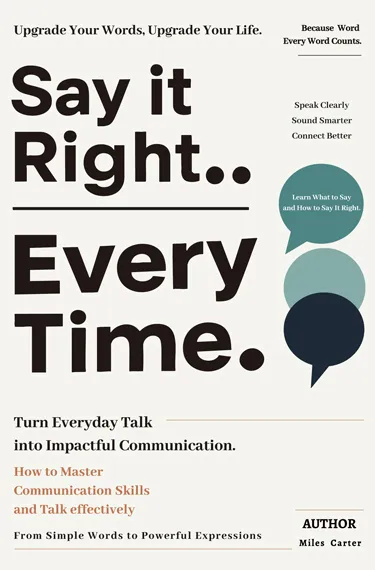
Say it Right..Every Time.
Miles CarterPractical communication tools for the moments that matter — say what you mean, calmly and confidently.
Best for improving everyday conversations
Many conversations become difficult because people assume others understand what they mean. However, thoughts and feelings are often more complicated than the words used to express them.
Say It Right Every Time by Miles Carter focuses on helping readers become more intentional communicators. The book explores how small changes in the way people speak, listen, and respond can improve everyday interactions.
Readers can learn how to:
- Express ideas more clearly
- Avoid common communication misunderstandings
- Become more aware of how their words affect others
- Create more productive conversations
For anyone wondering how can we communicate better, this book provides practical guidance for improving communication habits in real-life situations.
Rather than viewing communication as a natural talent, the book presents it as a skill that can be practiced and improved over time.
Difficult Conversations by Douglas Stone, Bruce Patton, and Sheila Heen
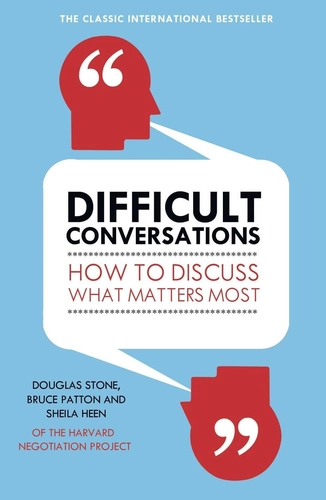
Best for handling challenging discussions
Some conversations are difficult not because people do not know what to say, but because emotions, expectations, and different viewpoints are involved.
Difficult Conversations explores why certain discussions become stressful and how people can approach them with more awareness. The book provides insights into managing disagreements, understanding different perspectives, and creating more constructive conversations.
For readers who often avoid difficult topics or struggle when conversations become emotional, this book offers useful strategies for approaching important discussions with greater confidence.
The 7 Habits of Highly Effective People by Stephen R. Covey
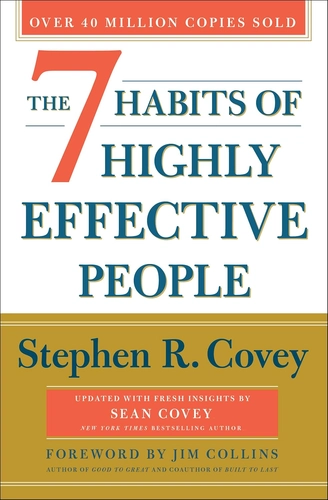
Best for developing thoughtful communication habits
Good communication is connected to many personal habits, including listening, understanding others, and considering different viewpoints before responding.
The 7 Habits of Highly Effective People explores principles related to personal effectiveness and relationships. One of its important ideas is the value of seeking to understand before trying to be understood.
The book encourages readers to become more intentional in their interactions and develop habits that support stronger relationships.
For people who want to improve not only their conversations but also the way they approach relationships, this book provides a broader perspective on communication.
Communication Starts With Understanding
Many people focus on communication as a way to express themselves, but effective communication involves both speaking and listening.
A conversation becomes stronger when both people feel heard. This requires paying attention not only to words but also to emotions, intentions, and the context behind what someone is saying.
Developing this awareness can help reduce misunderstandings and create more meaningful interactions.
Better Communication Requires Practice
Improving communication does not happen after reading one book or learning one technique. It develops through repeated practice and reflection.
People can gradually improve by noticing their communication patterns, learning from difficult conversations, and becoming more intentional about the way they express themselves.
Small improvements, such as asking better questions or explaining thoughts more clearly, can have a significant impact over time.
Why Say It Right Every Time Is Worth Reading
The three books above approach communication from different angles. Difficult Conversations focuses on handling challenging discussions, while The 7 Habits of Highly Effective People explores communication as part of personal effectiveness.
Say It Right Every Time by Miles Carter focuses on the everyday communication habits that shape conversations and relationships.
For readers searching for how can we communicate better, this book provides practical ideas for expressing thoughts clearly, reducing misunderstandings, and creating stronger connections with others.