Communication influences almost every relationship in life. The way people express their thoughts, respond to others, and handle different situations can determine whether conversations create connection or misunderstanding.
Many people assume that communication problems happen because people do not care enough or do not try hard enough. In reality, many difficulties come from unclear expression, poor listening habits, emotional reactions, or simply not understanding how different people process information.
This is why many readers search for how to effectively communicate. Improving communication is not about always saying the perfect thing. It is about learning how to express yourself clearly, understand others better, and create conversations where both sides feel heard.
Books about communication can provide useful frameworks for developing these abilities. They can help readers understand human behavior, improve self-expression, and build healthier interactions.
Here are three books that can help you become a more effective communicator.
Say It Right Every Time by Miles Carter
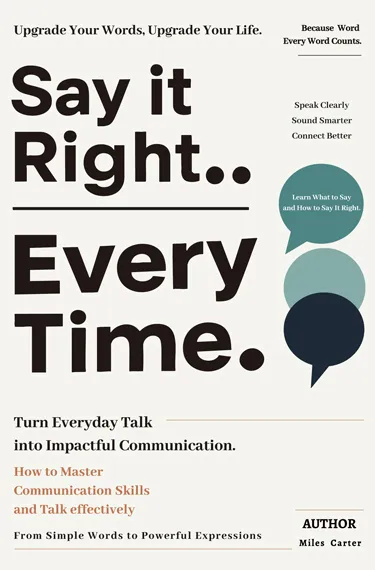
Say it Right..Every Time.
Miles CarterPractical communication tools for the moments that matter — say what you mean, calmly and confidently.
Best for improving the way you express yourself
Many communication problems begin with a simple issue: people have something important to say, but they struggle to express it in a way others can understand.
Say It Right Every Time by Miles Carter focuses on helping readers become more intentional with their words and communication habits. The book explores how everyday conversations are shaped by clarity, awareness, and the ability to understand how messages are received.
Readers can learn how to:
- Express thoughts more clearly
- Communicate with greater confidence
- Reduce misunderstandings in conversations
- Develop healthier communication habits
For readers exploring how to effectively communicate, this book offers practical guidance that can be applied to everyday conversations, relationships, and personal interactions.
Instead of treating communication as a personality trait, the book shows that better communication can be developed through awareness and consistent practice.
How to Talk to Anyone by Leil Lowndes
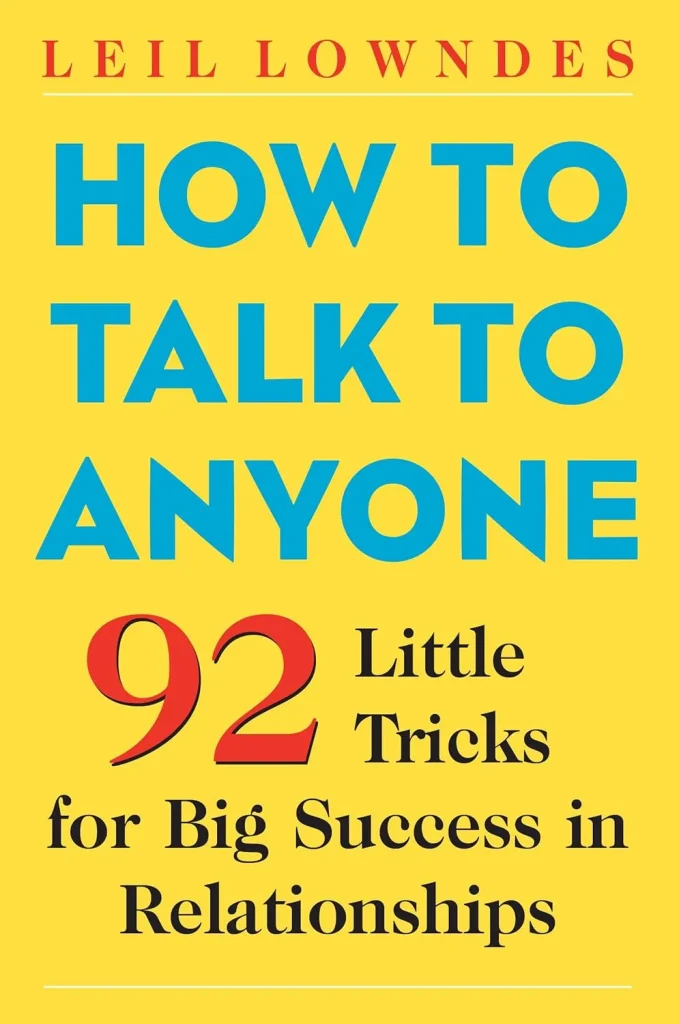
Best for becoming more comfortable in conversations
Some people understand what they want to say but still feel uncomfortable starting conversations, keeping discussions going, or connecting with new people.
How to Talk to Anyone explores different techniques for creating smoother interactions and becoming more confident in social situations. The book focuses on practical conversation habits, including how people present themselves, respond to others, and create positive first impressions.
For readers who want to feel more natural during conversations, this book provides accessible ideas for improving everyday interactions.
Nonviolent Communication by Marshall B. Rosenberg
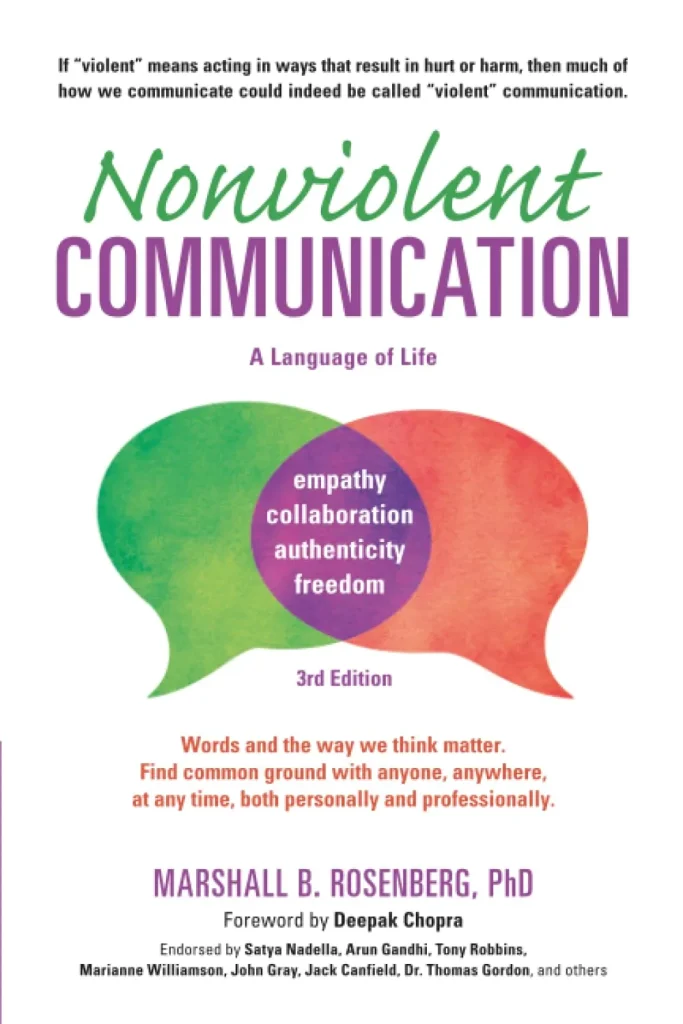
Best for creating more respectful conversations
Communication becomes especially challenging when emotions are involved. During disagreements, people may focus more on defending themselves than understanding each other.
Nonviolent Communication introduces a communication approach centered around expressing observations, feelings, needs, and requests. The book helps readers think about how they communicate emotions and concerns without creating unnecessary conflict.
For anyone who wants to improve communication in personal relationships, this book offers valuable insights into creating more thoughtful and respectful conversations.
Effective Communication Requires More Than Speaking
Many people think communication is mainly about finding the right words. While clear expression is important, effective communication also depends on listening, emotional awareness, and understanding another person’s perspective.
A strong communicator does not only focus on being understood. They also pay attention to how the other person feels during the conversation.
This balance between expressing yourself and understanding others is what creates meaningful communication.
Small Changes Can Improve Everyday Conversations
Improving communication does not require completely changing your personality. Often, small adjustments can make a noticeable difference.
Taking a moment before responding, asking better questions, listening without interrupting, and explaining thoughts more clearly are simple habits that can gradually strengthen conversations.
Over time, these changes can improve relationships both personally and professionally.
Why Say It Right Every Time Is Worth Reading
The three books above approach communication from different perspectives. How to Talk to Anyone focuses on conversation confidence, while Nonviolent Communication explores emotional awareness and respectful dialogue.
Say It Right Every Time by Miles Carter focuses on the everyday communication habits that influence how people express themselves and connect with others.
For readers searching for how to effectively communicate, this book provides practical ideas for improving conversations, avoiding misunderstandings, and becoming a more thoughtful communicator.
Effective communication is not something people are simply born with. It is a skill that can continue improving throughout life.