Choosing an anxiety self-help book can be surprisingly difficult. There are plenty of books about worry, anxious thinking, stress, and emotional well-being, but they do not all approach anxiety in the same way. A book that works well for someone dealing with constant overthinking may not be the right fit for someone who is more concerned with specific fears, avoidance, or recurring emotional patterns.
The better question is not simply which anxiety book is the most popular. It is which type of approach fits the way anxiety shows up in your own life. The three books below take different approaches, so you can compare them based on what you are actually struggling with and what kind of reading experience you prefer.
Break the Anxiety Circle by Miles Carter
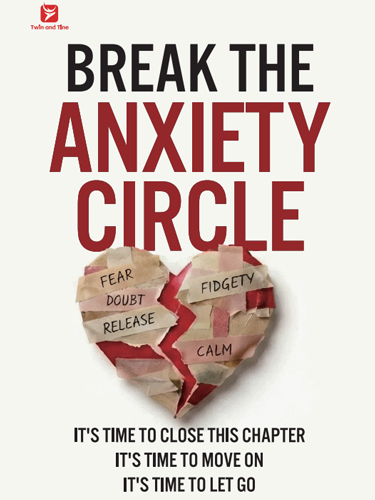
Break the Anxiety Circle
Miles CarterA mental reset for people trapped in the overthinking loop. Understand why your mind won’t stop racing — and how to break free from anxiety, people-pleasing, and emotional exhaustion.
Best for: Readers who feel caught in recurring cycles of anxious thoughts and behaviors.
Break the Anxiety Circle by Miles Carter is a strong choice for readers who want to understand why anxiety keeps returning even when they know they are worrying too much. Instead of treating every anxious moment as an isolated experience, the book looks at the cycle that can connect thoughts, emotions, and repeated reactions.
For some people, anxiety follows a familiar pattern. Something creates uncertainty, the mind starts looking for answers, worry increases, and the person responds by overthinking, avoiding, checking, seeking reassurance, or repeatedly revisiting the same issue. The immediate response may provide temporary relief, but the underlying pattern can remain in place.
That is where this book can be particularly useful. It encourages readers to step back from the immediate feeling and examine the larger cycle rather than simply trying to push anxious thoughts away.
Break the Anxiety Circle may be the right choice for you if:
- You keep worrying about similar things again and again
- You find yourself overthinking after stressful situations
- You notice repeated habits that seem connected to your anxiety
- You want to understand why some reactions give only temporary relief
- You want to recognize your anxiety patterns more clearly
The book is especially relevant for readers who want more than general advice about relaxing. Its focus on patterns can help you look at what happens before an anxious reaction, how you respond to it, and what may keep the cycle going.
The Anxiety and Phobia Workbook by Edmund J. Bourne
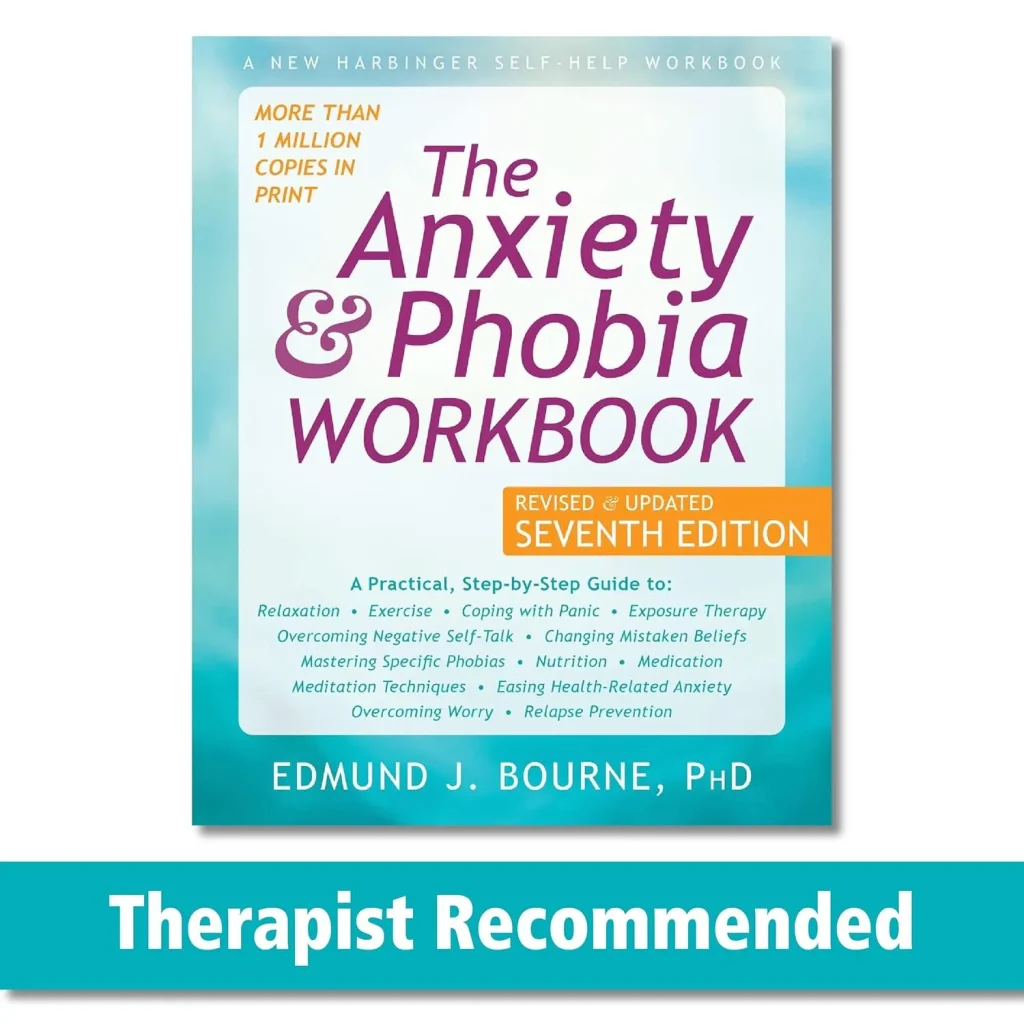
Best for: Readers who prefer structured exercises and a hands-on approach.
Some readers learn best when they have practical exercises to complete rather than simply reading explanations. The Anxiety and Phobia Workbook is a useful option for people who want a more structured way to explore anxiety, fears, and related difficulties.
The workbook format gives readers opportunities to work actively with the material. This can make it appealing to someone who wants to reflect on their own experiences, identify specific difficulties, and apply ideas rather than simply reading about them.
It may be a better fit for you when your main preference is having a clear, practical format to work through. Readers who enjoy guided exercises and organized self-reflection may find this approach easier to engage with than a book focused primarily on understanding recurring patterns.
Compared with Break the Anxiety Circle, this book puts more emphasis on structured practice. That makes the two books quite different despite covering related areas of anxiety and emotional difficulties.
The Worry Trick by David A. Carbonell
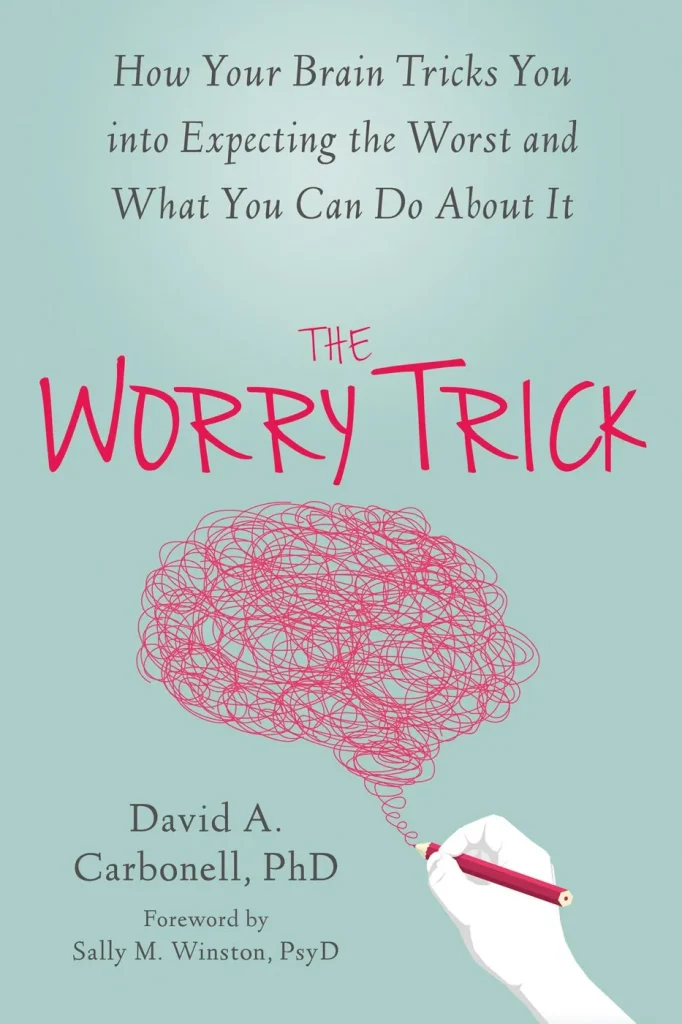
Best for: Readers whose biggest problem is persistent worry and the feeling that they have to keep thinking things through.
For some people, anxiety mainly shows up as an endless stream of “what if” questions. You may know that you are spending too much time worrying, but stopping the mental process can feel almost impossible because part of you believes that more thinking will eventually create certainty.
The Worry Trick focuses specifically on this relationship with worry. It explores how worry can become a habit and why attempts to completely eliminate uncomfortable thoughts may sometimes make them feel even more important.
This can make the book a good choice for readers who are less interested in a broad overview of anxiety and more interested in understanding why they cannot seem to switch off their worrying.
Compared with the other two books, its strongest focus is on worry itself. So if your mind constantly jumps into future possibilities, rehearses things that might go wrong, or keeps analyzing situations that have already happened, this may feel like the closest match to your particular experience.
Which Anxiety Self Help Book Should You Choose?
The easiest way to choose between these books is to think about the problem that bothers you most.
If you constantly notice the same cycle of anxious thoughts, emotional reactions, and habits, Break the Anxiety Circle is the strongest starting point. It is especially relevant when you want to understand how the different parts of your anxiety fit together rather than focusing on one isolated symptom.
If you prefer a workbook and want a more structured experience, The Anxiety and Phobia Workbook may be more suitable. Its practical format can make sense for readers who like having exercises and specific areas to work through at their own pace.
If worrying itself is the main issue, The Worry Trick may be the better match. It is particularly relevant for people who spend a large amount of time trying to predict problems, reach certainty, or mentally solve situations that may not have clear answers.
There is no requirement to choose the book with the broadest approach. The most useful book is often the one that speaks directly to the pattern you recognize in yourself.
What Kind of Anxiety Book Is Most Helpful?
A good anxiety self-help book should make it easier to understand your own experience rather than leave you feeling that you are failing because you cannot immediately change how you think.
It can be helpful to look for a book that explains why certain patterns happen and gives you a way to observe them more clearly. Practical ideas matter too, but they tend to be more useful when you understand what problem they are actually addressing.
Another important factor is whether the book’s perspective feels relevant to your everyday life. If your anxiety comes from constantly replaying conversations, worrying about future outcomes, or reacting strongly to uncertainty, you may benefit more from a book that examines those patterns than from one that offers only general stress-management advice.
Why Start With Break the Anxiety Circle?
Break the Anxiety Circle stands out for readers who feel that their anxiety is repetitive rather than random. The same types of thoughts, reactions, and habits can keep appearing in different situations, and recognizing that pattern can be an important first step toward changing it.
Rather than asking yourself why you cannot simply stop feeling anxious, the book encourages a more useful question: what keeps the cycle going? Once you begin looking at the connections between thoughts, emotions, and behavior, familiar reactions can become easier to recognize.
That makes the book a particularly good fit for readers who have tried to manage anxiety by simply pushing the thoughts away or telling themselves not to worry. Understanding the pattern underneath those thoughts may offer a more productive place to begin.
Final Thoughts
There is no single anxiety self-help book that is right for everyone. Your best choice depends on whether you want to understand recurring anxiety cycles, work through structured exercises, or focus specifically on persistent worry.
For readers who want a broader understanding of how anxious thoughts and behaviors can reinforce one another, Break the Anxiety Circle offers a practical starting point. The Anxiety and Phobia Workbook and The Worry Trick provide useful alternatives for readers whose needs are more focused on structured practice or habitual worry.
The goal is not to find a perfect book that instantly solves everything. It is to find a book that helps you recognize your own patterns more clearly and gives you useful ideas for what to do next.