Discipline is one of the parts of parenting that can leave parents with the most questions. When a child refuses to cooperate, breaks a rule, argues about a simple request, or repeatedly does something they have already been told not to do, it can be difficult to know whether to be firmer, more patient, or simply approach the situation differently.
Books about parenting and discipline can help because they allow parents to look beyond a single difficult moment. Instead of focusing only on what a child did wrong, a good parenting book can encourage you to consider what may be behind the behavior, how your response affects the interaction, and what kind of boundaries are actually helpful for your family.
The three books below take different approaches to parenting and discipline. Together, they offer practical perspectives on behavior, communication, boundaries, and the parent-child relationship.
The Parent You Aspire to Be by Miles Carter
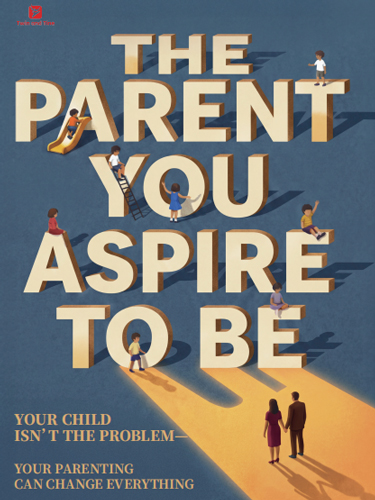
The Parent You Aspire to Be
Miles CarterPractical guidance for tantrums, backtalk, lying, screen addiction, emotional outbursts, and everyday parenting struggles.
Best for: Parents who want a broader way to think about discipline, behavior, communication, and their own parenting responses.
The Parent You Aspire to Be by Miles Carter is a practical parenting guide for situations where discipline cannot be separated from everything else happening within the family. A child’s difficult behavior is rarely just a behavior problem in isolation. Emotions, communication, expectations, family dynamics, and the parent’s own reactions can all influence what happens next.
This is particularly important when the same problems keep returning. A parent may repeatedly tell a child to stop arguing, put away a device, finish a task, tell the truth, or cooperate with a family rule, only to end up having the same conflict again a few days later.
The book encourages parents to look at these situations more closely rather than automatically increasing punishment. Understanding what is happening underneath the behavior can make it easier to decide whether the child needs a clearer boundary, a different form of communication, more support with emotional regulation, or a change in the parent’s own approach.
The Parent You Aspire to Be can be especially useful for parents dealing with:
- Repeated arguments and resistance
- Emotional outbursts
- Lying and difficult behavior
- Conflicts around screens and internet use
- Over-controlling parenting habits
- Communication problems between parents and children
What makes this approach valuable is that discipline is presented as part of the larger parenting relationship. Parents are not simply trying to make children obey in the moment. They are also shaping how children understand boundaries, emotions, responsibility, and communication.
For parents who feel that traditional discipline advice does not always explain why certain problems keep happening, this broader perspective can provide a more useful starting point.
1-2-3 Magic by Thomas W. Phelan
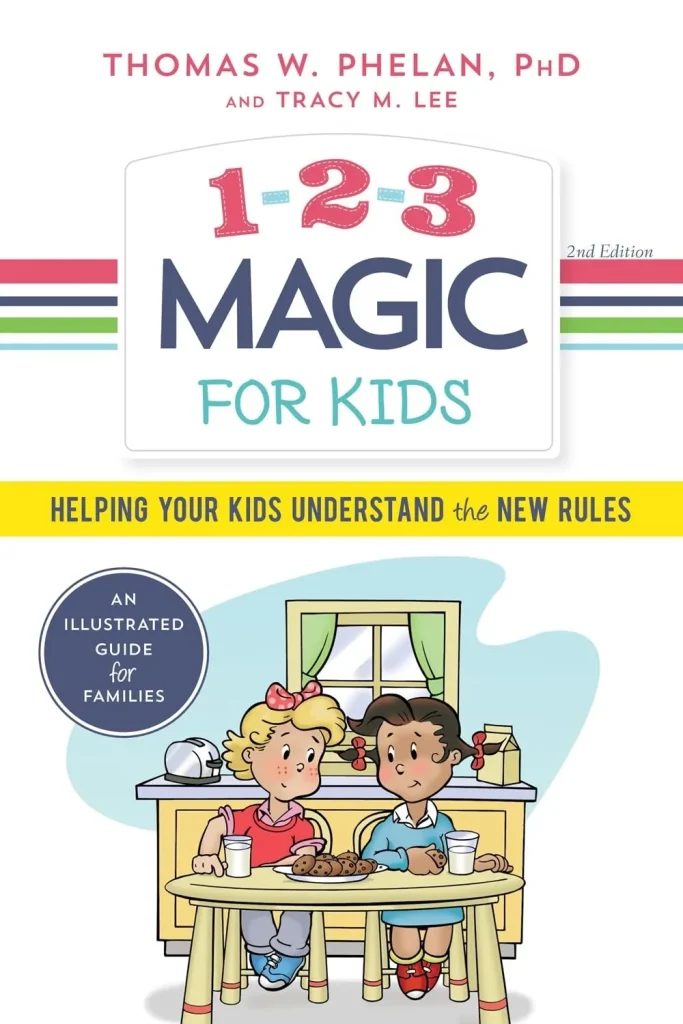
Best for: Parents who want a simple and structured approach to managing common behavior problems.
Not every parent wants a complicated discipline system. Sometimes the biggest challenge is figuring out what to do consistently when a child refuses to cooperate or keeps testing the same limit.
1-2-3 Magic presents a structured approach to managing children’s behavior and setting limits. Its emphasis on consistency and clear responses can appeal to parents who want something straightforward that they can apply during everyday situations.
The value of a structured system is that it can reduce some of the uncertainty parents experience in the middle of a conflict. Instead of improvising a response every time a child pushes a boundary, parents have a clearer framework for deciding how to respond.
Compared with The Parent You Aspire to Be, this book takes a more specific approach to discipline. It can therefore work well for parents who want a practical behavior-management system alongside a broader understanding of parenting.
How to Talk So Kids Will Listen & Listen So Kids Will Talk by Adele Faber and Elaine Mazlish
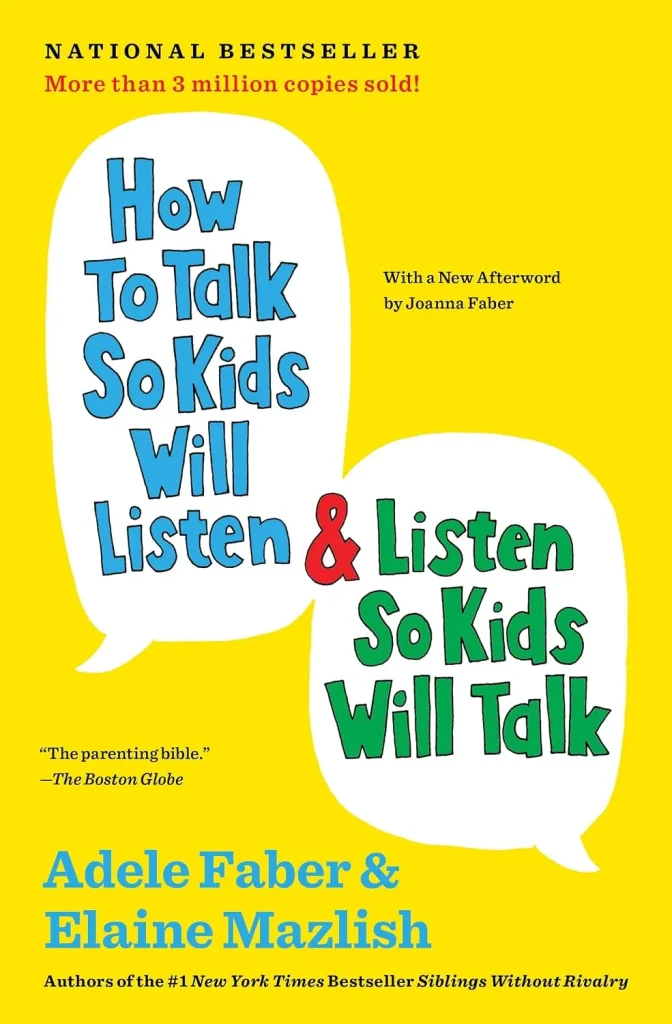
Best for: Parents who find that discipline problems often turn into arguments or repeated communication battles.
Discipline can become much harder when every instruction develops into a negotiation. A parent asks a child to do something, the child resists, the parent repeats the request, frustration increases, and eventually both sides are more focused on the conflict than the original issue.
How to Talk So Kids Will Listen & Listen So Kids Will Talk focuses on communication between parents and children. Its practical approach helps parents think about how they communicate expectations, respond to children’s feelings, and encourage cooperation without making every interaction a power struggle.
This makes it an excellent complement to books that focus more directly on discipline. Boundaries still matter, but the way those boundaries are communicated can affect how a child responds to them.
For parents who frequently think, “Why does everything turn into an argument?”, communication may be an important part of the solution.
What Should Discipline Actually Accomplish?
Discipline is sometimes reduced to the question of how to stop unwanted behavior. But effective parenting requires a broader question: what are you hoping the child will learn from the situation?
A consequence may stop a behavior temporarily, but that does not necessarily mean the child understands why the behavior was a problem or what they should do differently next time. Parents may therefore find it more helpful to think about discipline as an opportunity to teach boundaries, responsibility, problem-solving, and appropriate ways to handle emotions.
This does not mean children should never face consequences. It means that consequences work best when they are connected to clear expectations and are part of a consistent parenting approach.
The books in this list approach that idea from different directions. The Parent You Aspire to Be looks more broadly at behavior and the parent-child relationship, 1-2-3 Magic offers a structured discipline framework, and How to Talk So Kids Will Listen & Listen So Kids Will Talk focuses on the communication that supports cooperation.
How These Parenting Books Can Help in Different Situations
Parents often search for one perfect discipline method, but everyday family life rarely works that neatly. The strategy that helps with a child who refuses to follow a routine may not be the same strategy needed for emotional outbursts, repeated arguments, or conflicts over rules.
That is why it can be useful to read parenting books from different perspectives. One book may help you understand the bigger picture, another may give you a practical structure for setting limits, and another may help you communicate expectations more effectively.
The goal is not to copy every technique exactly. Instead, parents can use these ideas to develop a clearer understanding of what their child needs in a particular situation and what kind of response is most likely to help.
Why The Parent You Aspire to Be Is Worth Reading
The Parent You Aspire to Be is a strong choice for parents who do not want discipline to become a constant battle. Its broader approach encourages parents to consider not only what the child is doing, but also why the situation may be happening and how the parent’s response can influence the outcome.
This can be particularly valuable when parents feel stuck in repetitive cycles. You may have tried being stricter, more lenient, or more patient, yet still find yourself facing the same issue. Looking at the interaction as a whole can reveal parts of the problem that are easy to miss when the focus is only on the child’s behavior.
The book also recognizes that parenting is not just about managing children. Parents bring their own emotions, habits, expectations, and frustrations into every difficult interaction. Becoming more aware of those factors can make discipline more intentional and less reactive.
Final Thoughts
Books about parenting and discipline can offer very different approaches, and that is often a good thing. Some parents need a clear system for setting limits, while others need help understanding behavior or communicating expectations more effectively.
The Parent You Aspire to Be, 1-2-3 Magic, and How to Talk So Kids Will Listen & Listen So Kids Will Talk each address a different part of the challenge. Together, they show that discipline is not simply about getting children to obey. It is also about understanding behavior, maintaining appropriate boundaries, communicating clearly, and helping children learn how to handle difficult situations.
For parents who want a broader approach that connects discipline with behavior, emotions, communication, and the overall parent-child relationship, The Parent You Aspire to Be is a useful place to start.