You read The Gift of Fear because you wanted to trust your instincts more.
Maybe you’d ignored a gut feeling in the past and regretted it. Maybe you wanted to become better at recognizing danger before it became obvious. Maybe you simply wanted to stop second-guessing yourself.
Gavin de Becker’s book gave you permission to take your intuition seriously. It taught you that fear isn’t always irrational—sometimes it’s a signal worth paying attention to.
But here’s a question that might have come up after you finished the book:
What if you want to develop that instinct further—not just for danger, but for understanding people in everyday situations?
You know when something feels off. But can you tell why? Can you distinguish between genuine threat and someone who’s simply anxious, defensive, or hiding something less dangerous?
That’s where books about reading people and understanding behavior come in.

The Gift of Fear: What It Does Well
Let’s give credit where it’s due. The Gift of Fear is a powerful book for anyone who wants to take their intuition seriously.
It teaches you to:
- Recognize pre-incident indicators of violence
- Trust your gut when something feels wrong
- Distinguish between real fear and manufactured anxiety
- Stop ignoring the signals your body is sending you
If your primary concern is personal safety and recognizing dangerous situations, The Gift of Fear is an essential read.
But many readers finish the book and realize something else: they want to apply that same observational muscle to everyday interactions—not just for survival, but for understanding people more clearly.
The Missing Piece: Developing Your Observational Skills Beyond Danger
Here’s what you might notice after reading The Gift of Fear:
You know how to recognize when someone is potentially dangerous. But you still can’t always tell when someone is being dishonest, emotionally manipulative, or hiding something less threatening.
You know how to trust your gut. But you’re not always sure what your gut is picking up on—or how to articulate it.
You know that people reveal themselves through behavior. But you’d like to get better at noticing the details you might be missing.
The Gift of Fear is about survival. What if you want to understand people more broadly—not just to avoid harm, but to navigate relationships, work, and daily interactions with more clarity?
What to Read Next
Here are several books that appeal to readers who enjoyed The Gift of Fear—but each takes a different angle on intuition, observation, and understanding people.
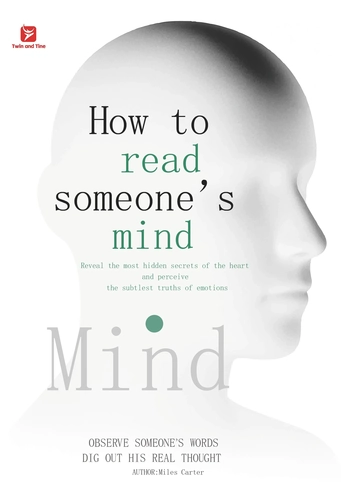
1. How to Read Someone’s Mind — Miles Carter
Best for: Learning to read people in everyday situations
The Gift of Fear teaches you to recognize danger signals. How to Read Someone’s Mind teaches you to recognize the broader range of human behavior—from hidden emotions and intentions to personality traits and patterns.
This book focuses on the signals people send without realizing it:
Facial expressions: What eyes, brows, and lips reveal about emotional states
Body language: How posture, gestures, and movement reflect confidence, anxiety, or openness
Voice and speech: What tone, pitch, and speaking speed reveal about honesty and emotional state
Behavioral patterns: How people express emotions through everyday actions—drinking habits, clothing choices, lying behavior, signs of nervousness, anxiety, anger, and jealousy
How It Complements The Gift of Fear
| The Gift of Fear | How to Read Someone’s Mind | |
|---|---|---|
| Core focus | Recognizing danger and trusting intuition | Reading behavior and nonverbal cues |
| Core question | Is this person dangerous? | What is this person really communicating? |
| Key skill | Survival intuition | Observation and interpretation |
| Best for | Personal safety and threat detection | Understanding people in everyday interactions |
Together, these books address different layers of the same skill. One helps you recognize when something is seriously wrong. The other helps you understand the full range of human behavior—so you can read people more clearly in any situation.
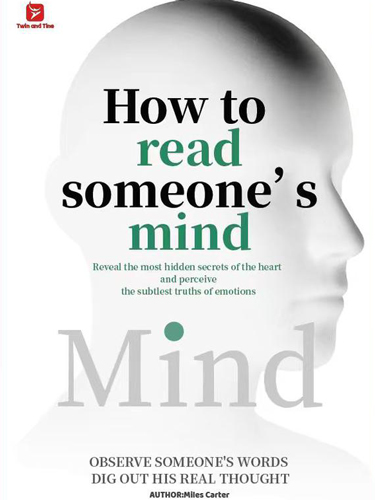
How to Read Someone’s Mind
Miles CarterPractical tools for reading body language, tone, and hidden intentions in real time. Spot what people aren’t saying — before you trust the wrong person.
2. The Gift of Fear — Gavin de Becker (if you haven’t read it)
Best for: Understanding intuition and personal safety
If you haven’t read The Gift of Fear yet, start here. It’s the foundational book on trusting your instincts and recognizing danger signals.
3. Blink — Malcolm Gladwell
Best for: Understanding the power of first impressions
Blink explores how we make snap judgments—and why some are accurate while others aren’t. It’s a fascinating look at intuition, decision-making, and the subconscious signals we pick up without realizing it.
4. The Power of Now — Eckhart Tolle
Best for: Tuning into your intuition through presence
This is a different approach. Rather than focusing on reading others, it focuses on developing present-moment awareness—which can help you become more attuned to subtle signals in yourself and others.
Which Book Should You Read Next?
| If you want to… | Start with… |
|---|---|
| Understand what people are really communicating beyond words | How to Read Someone’s Mind |
| Dive deeper into how intuition and snap judgments work | Blink |
| Develop presence and awareness | The Power of Now |
| Understand personal safety and threat detection | The Gift of Fear |
Frequently Asked Questions
Is How to Read Someone’s Mind similar to The Gift of Fear?
Both are interested in human behavior and observation, but their focus is different. The Gift of Fear is primarily about recognizing danger and trusting your instincts for survival. How to Read Someone’s Mind focuses on reading behavior, nonverbal cues, and hidden intentions in everyday interactions—at work, in relationships, and in social settings.
What should I read after The Gift of Fear?
If The Gift of Fear helped you trust your intuition, How to Read Someone’s Mind can be a natural next step if you want to develop your observational skills more broadly—not just for danger, but for understanding people in all areas of life.
What’s the difference between intuition and reading people?
Intuition is your subconscious picking up on subtle signals and patterns. Reading people is the conscious practice of observing those signals—facial expressions, body language, tone, and behavior—so you can understand what someone is really communicating. They work together.
Keep Developing Your Intuition
If The Gift of Fear taught you to trust your instincts, the next question is: What else are you missing about the people around you?
How to Read Someone’s Mind
Miles CarterPractical tools for reading body language, tone, and hidden intentions in real time. Spot what people aren’t saying — before you trust the wrong person.