You’ve seen it happen. Maybe it’s happened to you.
You work hard. You tell the truth. You play by the rules. You assume that fairness and integrity will be rewarded. Meanwhile, someone else takes credit for your work, bends the truth to their advantage, and rises through the ranks while you stay in place.
It’s not your imagination. Honest people do often lose at work. Not because honesty is bad, but because they’re playing a game they don’t fully understand.
This article contrasts two books that offer different explanations for this phenomenon—and shows why one of them provides the deeper answer you’ve been missing.
What The Honest Truth About Dishonesty Gets Right
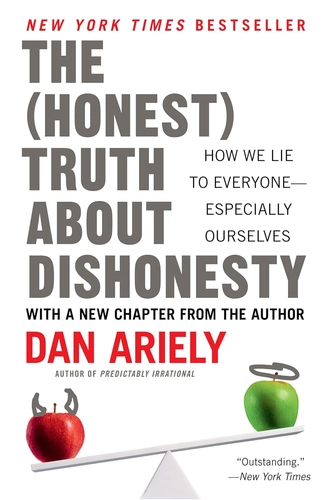
Dan Ariely’s book argues that most people are dishonest—but only a little. They cheat in small ways, just enough to benefit themselves while still feeling like good people. They inflate expense reports. They exaggerate their contributions. They take credit they don’t quite deserve.
This happens at work constantly. And Ariely explains why: people rationalize. They tell themselves “everyone does it.” They convince themselves they deserve the advantage. They look the other way when they benefit from someone else’s loss.
Ariely’s insight is valuable. It explains why dishonesty is so common and why honest people often feel like they’re at a disadvantage.
But it doesn’t explain the full picture.
What Awakening to Human Nature Reveals That the Other Book Misses
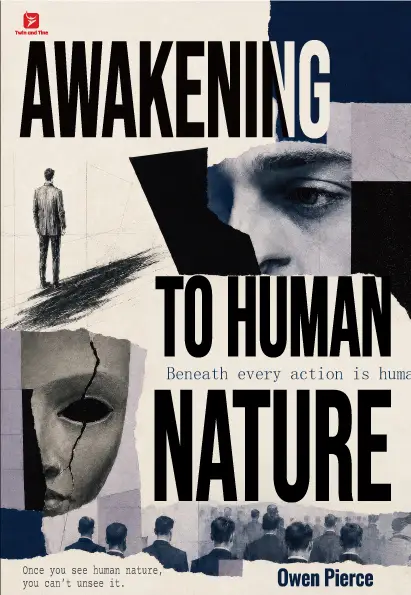
Ariely shows you that people lie. Awakening to Human Nature shows you why the system rewards those who do—and why honest people keep losing.
The problem isn’t just that others are dishonest. It’s that workplaces are not designed to reward honesty. They reward visibility, perception, and strategic positioning. Loyalty is conditional. People who tell uncomfortable truths get punished. Smart voices are often attacked. The world runs on double standards.
Honest people often assume that working hard and telling the truth is enough. It’s not. The workplace operates on hidden rules that have nothing to do with fairness:
- People crave validation more than truth. If you challenge someone publicly, you’re not just challenging an idea—you’re threatening their identity. They’ll fight back, not because you’re wrong, but because you made them feel small.
- Kindness without boundaries gets exploited. Honest people who are also accommodating often get taken advantage of. Others see their goodwill as a resource to use.
- Smart people get hated. Being right doesn’t make you popular—especially if being right makes others feel inferior.
- The smartest voices are often targeted. People who shine too brightly attract envy. And envy doesn’t stay quiet—it acts.
Awakening to Human Nature explains these dynamics in detail. It shows you that being honest isn’t enough—you also need to understand the politics of perception, the art of strategic self-presentation, and the importance of protecting yourself from those who see your honesty as a weakness to exploit.
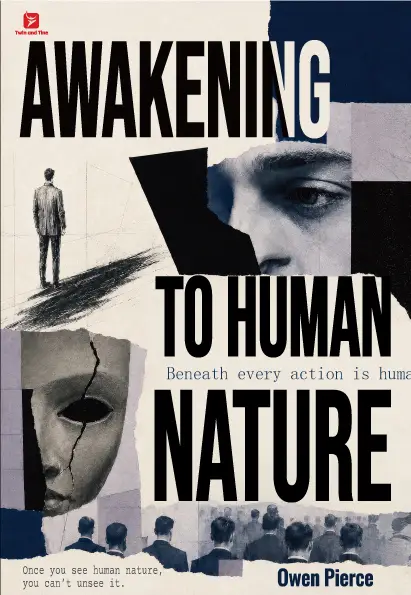
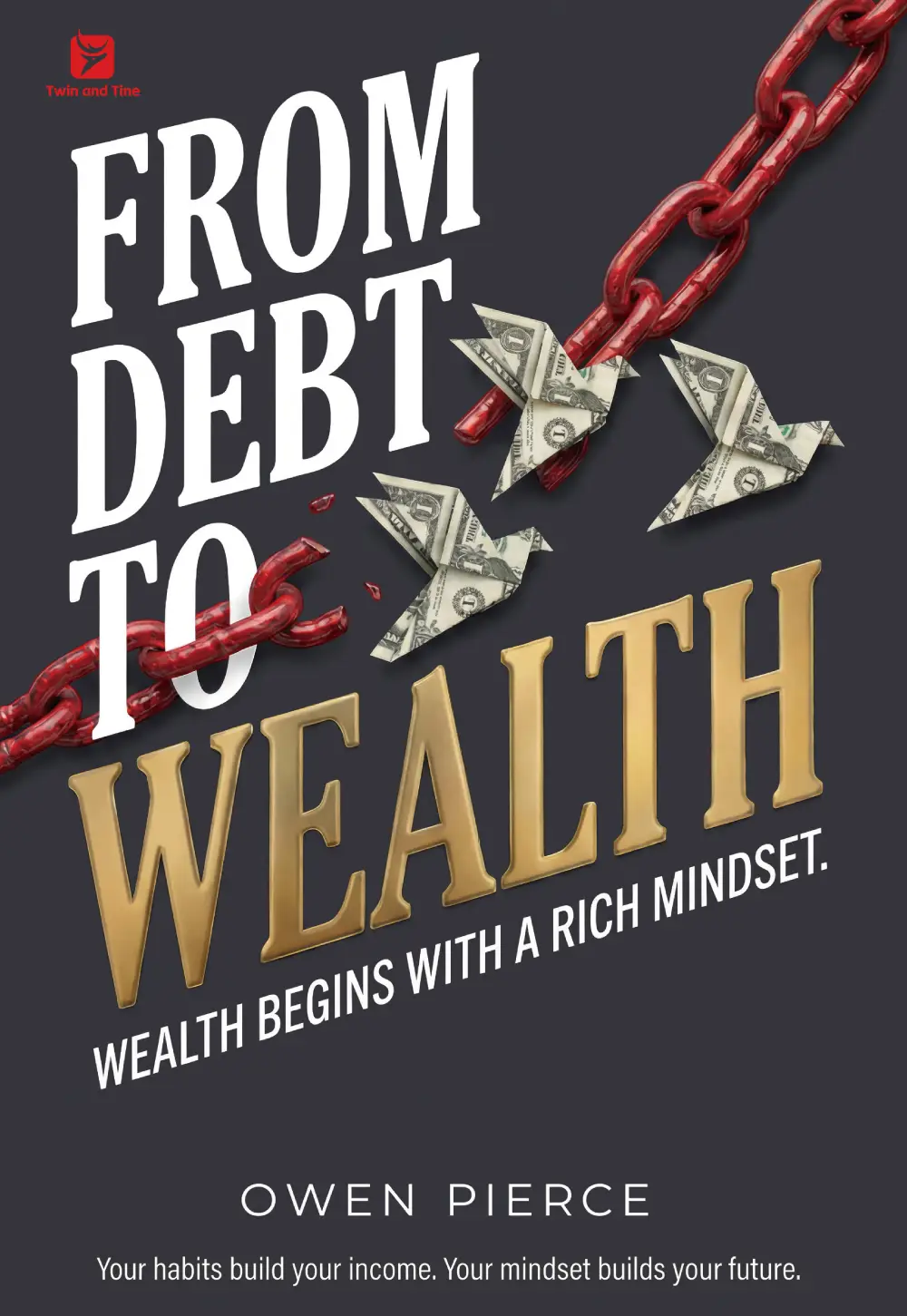
Awakening to Human Nature
Owen PierceA practical guide to recognizing hidden motives and protecting yourself from manipulation.
The Real Cost of Not Understanding the Game
Here’s the hard truth: if you keep playing by a set of rules that doesn’t match the game you’re in, you’ll keep losing—and you’ll keep wondering why.
Ariely describes dishonesty in the workplace. But Awakening to Human Nature explains the structure of the game itself. It doesn’t tell you to lie. It tells you to see reality.
When you understand the hidden rules:
- You stop assuming good intentions will protect you. You become better at protecting yourself.
- You stop being blindsided by office politics. You learn to recognize them earlier.
- You stop resenting people who rise unfairly. You see the system more clearly—and you can choose how to navigate it.
- You stop giving your honesty to people who don’t deserve it. You save your trust for those who prove trustworthy.
Putting It All Together
The Honest Truth About Dishonesty explains why people cheat. Awakening to Human Nature explains why honest people lose—and what to do about it.
If you’ve ever felt like being honest at work has cost you, you’re not wrong. It might have cost you. The question isn’t whether to stay honest. It’s whether you’ll continue to be naive about the system you’re in.
Honesty without awareness is vulnerability. Honesty with awareness is a choice. And when you understand the hidden rules, you get to make that choice from a place of strength—not from a place of surprise.