My daughter is ten. She’s funny. She’s kind. She builds elaborate Lego worlds and reads encyclopedias for fun. And she has no friends. Not one. I sat in my car after school pickup last Tuesday and cried. She told me the other girls in her class had a birthday party on the weekend. She found out from Instagram. No one invited her.
I’ve spent months wondering what I’m doing wrong. Is she too weird? Am I too weird? Should I make her wear different clothes? Should I call the other moms and demand answers? My husband says that’s overbearing. He’s probably right. But the helplessness sits in my chest like a stone.
If you’re here because your child has no friends, I see you. I’ve read the forums. I’ve asked the teachers. I’ve tried the play dates that fizzle out after the second meeting. Here’s what I’ve learned so far, messy and unfinished as it is.
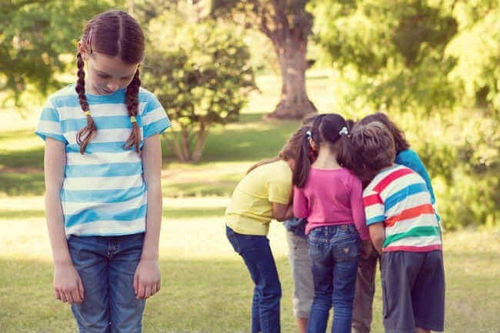
Why Does My Child Have No Friends at School?
The first thing I had to accept was that there wasn’t one simple reason. My daughter is a “teacher’s pet,” which I now realize is code for “the kid who follows rules and raises her hand.” Other kids see that and think she’s a snitch or a know-it-all. She’s not. She just genuinely loves learning.
At recess, she wanders. When she approaches a group, they go quiet. She doesn’t know how to read those social signals. She thinks if she just keeps talking about her favorite book series, they’ll eventually care. They don’t.
Here’s what broke my heart the most. She told me, “Everyone at school hates me.” That’s not true. But to her, it feels true. And when a kid feels rejected, they start acting rejected. They get tense. They overshare. They try too hard. And other kids, who are also socially clumsy at this age, don’t know how to respond.
I talked to her teacher, who said something that stuck with me. “She’s a leader in class.” I used to roll my eyes at that. But the teacher explained it differently. My daughter isn’t bossy in a bad way. She just has strong ideas and doesn’t know how to let others lead sometimes. In a group project, she takes over. Other kids back off. They don’t push back or negotiate. They just… leave.
How Can I Help My Child Make Friends When Nothing Works?
I tried everything. We signed up for clubs. She’s in a math competition team, a cooking class, and a robotics workshop. In every single one, the same pattern. She’s friendly on day one. By week three, she’s on the outside.
I asked her about it once, gently. She said, “I don’t know what to say when they talk about things I don’t care about.” She’s ten. Ten-year-old girls talk about TikTok trends, pop stars, and who likes whom. My daughter talks about black holes and the Roman Empire. There’s no overlap.
A friend whose son went through something similar told me to stop pushing group settings. She said, “Your daughter needs one friend, not ten.” She was right. I stopped trying to get her invited to parties and started focusing on one-on-one play dates. It’s slower. But it’s also more real.
Here’s what I’ve started doing, and it’s helping a little:
One, I ask her teacher to pair her with specific kids during partner work, not just let them self-select. I gave the teacher a list of girls who seem kind, not necessarily popular. The teacher rotates partners every two weeks. My daughter has now had three “forced” conversations with girls she never would have approached. One of them asked to sit with her at lunch.
Two, I stopped pushing the “cool clothes” conversation. Another mom told me my daughter dresses like a kindergartener. Bright leggings, character shirts. I almost ran out and bought her a whole new wardrobe. Then I asked my daughter if she wanted new clothes. She said, “Why? I like my dinosaur shirt.” I dropped it. Forcing her to change who she is, that teaches her she’s wrong. She’s not wrong.
Three, I created something I call the “One Thing” rule.
The One Thing Rule: A Simple Framework for Friendless Kids
Here’s the tool that actually changed things. Every week, my daughter picks one thing she wants to share with one specific person. It could be a drawing. It could be a fact about space. It could be a joke. Her only job is to find that one person and share it.
That’s it. No pressure to make friends. No expectation of a response. Just one small offering of herself, once a week.
The first week, she shared a space fact with a girl named Maya who sits next to her in science. Maya said, “Cool, I didn’t know that.” That was it. But my daughter came home and said, “Maya said cool.”
The second week, she brought a small eraser shaped like a planet. She gave it to Maya. Maya put it on her desk. It’s been two months now. They’re not best friends. But Maya says hi in the hallway. Last week, Maya asked my daughter if she wanted to work on a science project together. My daughter cried happy tears.
The One Thing rule works because it’s low stakes. The child doesn’t have to perform. They don’t have to be funny or cool. They just have to offer one small piece of themselves. Some weeks, no one responds. That’s okay. We talk about how that feels. We process it together. She’s learning that rejection is survivable.
What About the Kids Who Mock Her?
One girl made fun of my daughter’s clothes. Another said she talks “like a robot.” My first instinct was to march into the school and demand action. I didn’t. Instead, I asked my daughter how she felt. She said, “Sad. But also, why do they care what I wear?”
That’s a good question. Why do they care? Because they’re ten and insecure. That doesn’t make it okay. But it does make it less about my daughter and more about them.
I taught her one phrase. “That’s an interesting thing to say.” She practices it in the mirror. When a kid makes a mean comment, she says that phrase and walks away. It’s not confrontational. It doesn’t escalate. It just shuts the door.
Should I Change Schools or Just Wait for Middle School?
Next year is middle school. We entered the lottery for an option school. I have no idea if she’ll get in. But I’ve also made peace with the possibility that she stays at her current school.
Here’s what I keep reminding myself. The kids who are mean now, they’re not the whole world. Middle school has more kids. More niches. More weirdos. My daughter will find her people. She just might take longer than I want.
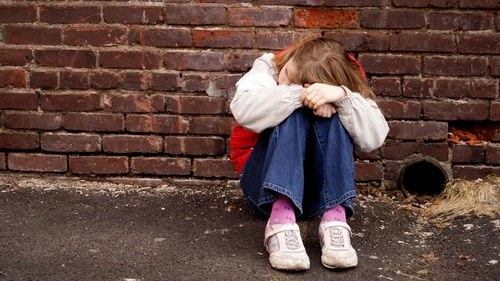
Is Counseling a Good Idea for a Child With No Friends?
I’ve considered it. I’ve seen the comments saying it helps kids recognize that people do like them. I’m not against it. But I also don’t want to send a message that she’s broken. She’s not broken. She’s different. There’s a gap between those two things.
If she keeps saying everyone hates her, I’ll find someone for her to talk to. A neutral adult who isn’t me. Because I’m too close. My heart breaks every time she comes home with that look on her face. Sometimes I can’t hold it together.
What If My Child Has No Friends at Home Either?
This is where we are now. The play dates fizzle. The other moms don’t call back. I’ve stopped taking it personally, mostly. I remind myself that other families are busy. Their kids are in gymnastics and piano and travel sports. It’s not about my daughter.
But I also started inviting kids over for dinner, not just play dates. Something about food feels safer. Less pressure. I make pizza. The kids sit at the table and talk. It’s awkward sometimes. It’s okay. Awkward is a starting point.
One Last Thing:
I still cry in my car sometimes. I still wonder if I’m failing her. But last night, she came to my room and said, “Maya asked me what my favorite planet is. I said Jupiter. She said hers is Saturn because of the rings.”
She’s not friendless right now. She has Maya, sort of. And that’s enough for tonight.