I picked up the book on a Tuesday. Not because I was looking for it. I was wandering through the bookstore after a rough morning—the kind where I’d argued with my boss, ignored three texts from my mom, and then spent twenty minutes convincing myself I was a terrible person for feeling annoyed.
That was the thing. I wasn’t just stressed. I was exhausted. My chest felt tight. My mind was replaying everything I’d said that day, checking for mistakes, searching for hidden criticism. I couldn’t focus. I couldn’t relax. I couldn’t remember the last time my brain felt quiet.
Sound familiar? If you are reading this, chances are you have already asked yourself, who should read Break the Anxiety Circle. That question is a bit of a tell. The people who need this book are usually the ones standing in the aisle, wondering if they are broken enough to deserve help.
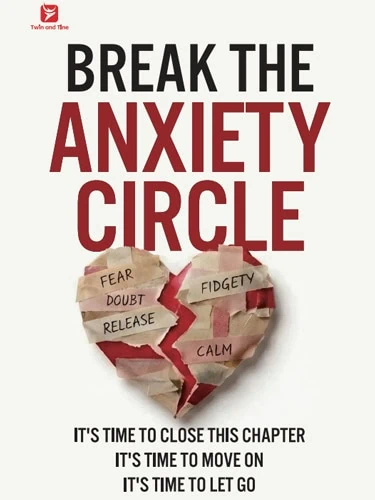
What Kind of Reader Actually Benefits From This Book?
The short answer is: people who are tired. Not sleepy tired. Soul tired. The kind of tired that comes from replaying a conversation for three days. The kind where you lie awake at 2 AM, mentally editing something you said in 2019.
I have a friend, let me call her Sarah. On the outside, she is put together. Great job, nice apartment, always remembers birthdays. But Sarah once told me she cannot fall asleep without mentally reviewing every interaction she had that day. She checks for signs of offense. She wonders if she talked too much. She replays her own jokes and winces.
Sarah is exactly who should read this book. Not because she is weak. Because she is carrying a backpack full of rocks that she never asked for.
Is This Book for People With Anxiety or Just Overthinkers?
The book sits in a middle space. It covers a wide range of internal struggles, including anxiety, indecision, self-blame, and overthinking. So if you are the type of person who cannot pick a restaurant because you are afraid your friends will secretly hate the food, this book speaks your language.
I remember reading the chapter on people-pleasing. There was a line that stopped me cold. It described the exhaustion of saying yes when you want to say no. I had to put the book down. My own face was too familiar in those words.
How Do You Know If the Book Is Right for You?
Ask yourself a few questions:
- Do you spend more time thinking about the past than the present?
- Do you have a hard time letting go of mistakes, even small ones?
- Do you feel drained after social events because of all the mental math?
- Do you replay conversations, searching for hidden criticism?
- Do you say yes when you want to say no?
If you answered yes to any of those, the honest answer is: you. But let me break it down a little more.
The People Who Ruminate and Replay
This is the group I belong to. Someone says something neutral, and we spend the night deciding it was actually a secret insult. The book has a section on breaking this exact pattern. It does not tell you to just stop thinking. It gives practical, actionable solutions.
The People Who Struggle With Boundaries
You say yes to helping a coworker move on a Saturday. You lend money you cannot afford. You smile through conversations that drain you. The book talks about setting healthy boundaries and addresses the fear of disappointing others.
The People Haunted by the Past
Some readers are stuck on old wounds. A failed relationship. A career mistake. A version of themselves they cannot forgive. The book touches on reconciliation with the past, suggesting that healing begins when you stop fighting your history and start understanding it.
Can This Book Help With Overthinking and Self-Doubt?
Yes. I used to draft text messages for ten minutes before sending them. I was trying to control how the other person would react. The book made me realize I was not being careful. I was being fearful. There is a difference. Careful is thoughtful. Fearful is frozen.
Miles Carter does not write like a guru on a mountaintop. He sounds like someone who has been in the trench. The book is filled with actionable methods and thought-provoking quotes.
What If You Are Not a Self-Help Person?
I get it. I used to roll my eyes at self-help books too. But this one is written in a straightforward, sincere tone. It does not promise to fix you in seven days. It just offers a way out of the loop.
Who Might Not Benefit From This Book?
If you are looking for a deep academic text, this is not that. If you need clinical treatment, no book replaces a professional. The book is a practical guide to healing internal friction. If your anxiety is severe and interfering with daily function, please see a doctor. This book is a companion, not a cure.

What Kind of Person Finishes This Book Feeling Different?
The reader who finishes this book is someone who wanted to change but did not know where to start. They might have tried to think their way out of overthinking. That does not work. The book guides readers to let go of past regrets, break free from emotional chains, and embrace an imperfect life.
What If You Are Still Unsure?
If you are asking who should read this book, you are probably already on the list. People who do not need it do not ask the question. I gave my copy to Sarah. She texted me two weeks later. She said she read one chapter a night, and for the first time in months, she fell asleep without reviewing her entire day.
That is the answer, is it not? The book is for people like Sarah. And maybe like you.
FAQ
Is Break the Anxiety Circle suitable for teenagers?
Yes. Teenagers dealing with social pressure, self-doubt, or overthinking can benefit. The language is simple and not academic.
How long does it take to read?
Most readers finish it in a few evenings. Each chapter is short and digestible.
Does it replace professional help?
No. This book is a self-growth guide. It is not a substitute for medical advice or professional support.
One Last Thing
I remember closing the book on that Tuesday night. I did not feel instantly healed. But I felt something else. I felt seen. And sometimes, being seen is the first step toward being okay. If you have been fighting your own mind for years, maybe it is time to stop fighting. Maybe it is time to read.