You have finished Robert Greene’s The Laws of Human Nature. You now understand the hidden forces that drive human behavior—envy, aggression, the need for status, the fear of being exposed, the desire to belong. You see the patterns. You recognize the games people play.
But you are left with a question: now what?
Greene gives you the map. You understand the terrain. But knowing that people are driven by status, insecurity, and the need for validation is one thing. Recognizing it in real-time conversations, relationships, and workplace dynamics is another. And understanding why these patterns exist in the first place takes you even deeper.
What you need now is not more theory. You need clarity about the engine beneath the behavior.
The books below each take you deeper into a different layer of human nature. One reveals the self-deception and hidden motives that drive the patterns Greene describes. One shows you how status and competition shape social behavior. One explains why people defend their beliefs so fiercely—even when they are wrong.
1. Awakening to Human Nature by Owen Pierce
From “understanding the pattern” to “understanding what drives it.”
Greene tells you what people do—the envy, the status-seeking, the irrationality. Pierce tells you why they do it. He strips away the polite fictions and reveals the self-deception, emotional patterns, and survival mechanisms that make the patterns Greene describes possible.
Why do people protect their identity so fiercely? Why do they avoid discomfort even when it leads to growth? Why do they believe their own justifications even when the evidence says otherwise? The answers to these questions explain the behaviors Greene catalogues.
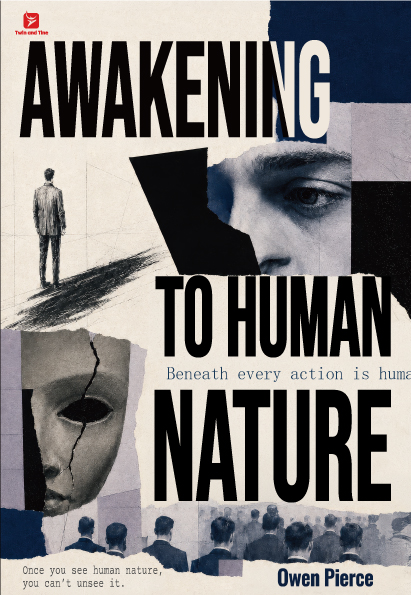
Where Greene gives you the map of human nature, Pierce gives you the engine underneath. Once you understand the engine, you stop being surprised by the behavior. You start anticipating it. You stop wondering why people do what they do—and start seeing it clearly.
For anyone who wants to go beyond the patterns and understand what is driving them.
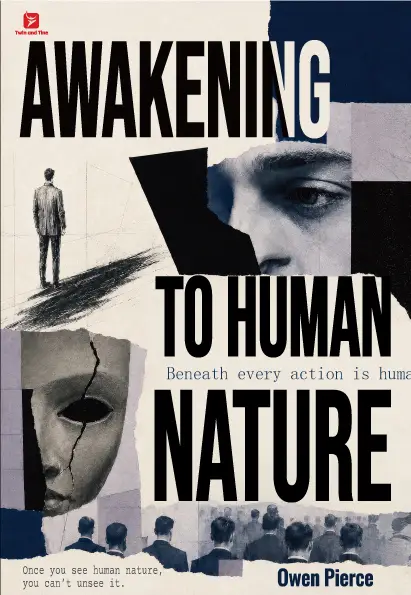
Awakening to Human Nature
Owen PierceA practical guide to recognizing hidden motives and protecting yourself from manipulation.
2. The Status Game by Will Storr
From “understanding status” to “understanding why it drives everything.”
Greene writes about status, power, and recognition. Storr explains why humans are obsessed with them. Status—social rank, reputation, belonging—is one of the most powerful forces driving human behavior. We are wired to care about what others think of us. Not because we are shallow. Because for most of human history, being accepted by a group was essential for survival.
Storr explores why we compare ourselves to others, why we care about reputation, why we seek belonging, and why social hierarchy shows up in every culture. He explains workplace politics, social media behavior, and why certain people seem to thrive while others struggle.
If Greene helped you see status games, Storr helps you understand why humans cannot escape them.
For anyone who wants to understand why status matters more than most people realize.

3. The Righteous Mind by Jonathan Haidt
From “understanding behavior” to “understanding why people believe what they believe.”
Greene explains that people are often driven by emotion, not reason. Haidt takes this further. He explains why people defend their beliefs so fiercely—even when the evidence says otherwise.
His central argument is that moral judgments are not driven by reason. They are driven by intuition. We make snap judgments about right and wrong, and then we use logic to justify them. This is why debates rarely change minds. You are not engaging with someone’s reasoning. You are threatening their identity.
Greene shows you how people justify their actions. Haidt explains why they do it so stubbornly.
For anyone who wants to understand why people are so sure they are right.
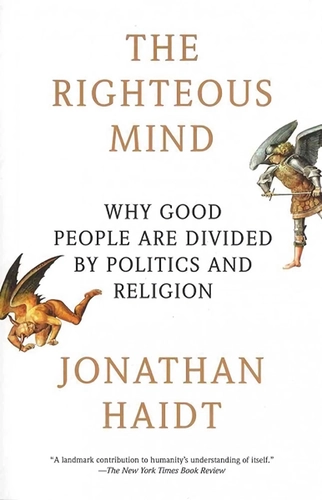
These three books each take you deeper than Greene. Pierce reveals the self-deception and hidden motives beneath the patterns. Storr explains why status drives so much of human behavior. Haidt reveals why people defend their beliefs so fiercely.
If you are ready to move from understanding human nature to seeing it clearly, start with the one that shows you what is driving the behavior.