You know that feeling. The one where you’re going about your day, and something small hits you. A song. A smell. A tone of voice that sounds just like someone from your past. And suddenly, you’re not here anymore. You’re back there, carrying the same weight you’ve been carrying for years.
I bought this book on a Tuesday, the kind of gray afternoon when old memories surface without warning. A comment from my mother, made decades ago, suddenly felt fresh. I was tired of carrying it.
So when I saw Miles Carter’s promise, a structured 15-week plan for adults still nursing childhood wounds, I felt something close to hope. But I also felt skepticism. Can a workbook truly untangle what years of living have knotted so tightly?
The book asks a question that sits at its core. What if healing is not a dramatic breakthrough, but a patient, weekly practice of showing up for yourself?
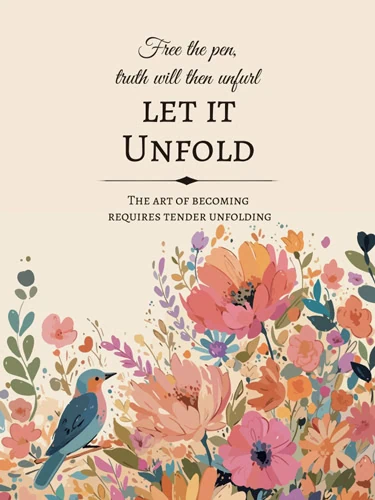
The Reluctant Pupil and the Structure of Safety
Carter doesn’t ask you to relive your worst moments. He asks you to build a routine. Each week introduces a theme, and each weekday carries a specific focus. Monday is for self-acceptance. Tuesday for mindfulness. Wednesday for growth. Thursday for exploring the shadows. Friday for gratitude. The repetition feels almost boring at first, and I mean that as a compliment.
I expected a therapist’s stern voice. Instead, I found a gentle companion who understands that adults with childhood trauma often distrust spontaneity. We need predictability. We need to know what comes next. The exercises are short, rarely more than ten minutes, which respects the limited energy that emotional work requires.
My hesitation faded around week three. The Wednesday prompts on growth and action pushed me to notice patterns I had normalized. I realized I still brace myself before asking for help, expecting rejection. The book didn’t tell me this. It created the space for me to discover it on my own. That felt less like being diagnosed and more like being witnessed.
Yet the structure, while comforting, made me wonder about the messier parts of healing. What happens when grief doesn’t fit neatly into a Friday gratitude exercise?
The Craft of Gentle Mirrors
Carter’s central concept is that childhood wounds create distorted beliefs about ourselves, and those beliefs govern our adult behavior. We hoard, or we overachieve, or we isolate. The book’s imagery revolves around unfolding. A closed fist slowly opening. A tightly coiled thread relaxing into a straight line. It’s quiet imagery, unflashy, and it works.
The illustrations deserve mention. They are soft, watercolor-like scenes of solitary figures in vast landscapes. They never depict pain directly. Instead, they show the aftermath, a person sitting by a window, a path curving into fog. This restraint builds the book’s argument. Healing isn’t about dramatizing your wounds. It’s about learning to live alongside them without letting them steer.
I found the Thursday shadow work the most difficult and the most valuable. Carter asks you to personify the part of you that still feels like a neglected child. You write a dialogue with that younger self. I cried during this exercise, which surprised me. The book doesn’t demand catharsis. It simply offers a pen and paper and asks you to listen.
This is the pattern the book reveals. We aren’t broken adults. We’re people who learned early to survive without care, and now we must learn, slowly, to accept it.

The Limits of a Plan and the Gift of a Rhythm
The book has a shortcoming worth naming. Life interrupts. I missed several days during a difficult work week, and the strict schedule made me feel like I was failing the plan. I had to remind myself that the plan exists for me, not the other way around. Carter does address this in his guidance, but the design encourages perfectionism, which is often a symptom of childhood trauma itself.
Still, I finished the fifteen weeks. I can’t say I am fully healed, whatever that means. But something shifted. I notice when I speak harshly to myself, and I pause. I’m slower to assume that silence from a friend means anger.
The book’s greatest gift isn’t its content, though the content is thoughtful. It’s the rhythm it instills, a weekly appointment with your own humanity.
Maybe that’s the real insight Carter offers. Healing isn’t a destination you arrive at. It’s a practice you maintain, a thread you keep pulling, a hand you keep extending toward yourself. The book isn’t a magic cure. It’s a mirror and a map. What you find along the way is your own courage to keep walking.
If you’re tired of carrying old pain, this book won’t carry it for you. But it will walk beside you, week by week, until your hands feel a little lighter.