I noticed it at a dinner party last month. My friend Priya sat perched on the very edge of her chair, knees pressed together, hands clasped tight in her lap. She laughed at all the right moments. But her body was screaming something else entirely.
I could not stop watching her. Or thinking about my own habits. I tend to slump, one leg tucked under me, the other swinging loose. What does that say about me?
That night I went down a rabbit hole. I read everything I could find on sitting posture meaning. I called my sister, who studies nonverbal communication. I watched people at cafes, in waiting rooms, at parent-teacher conferences.
Here is what I learned. The way we sit is rarely random. It is a quiet autobiography written in angles and weight distribution.
Why Does Sitting Posture Meaning Matter for Understanding People?
Think about the last meeting you sat through. Someone leaned back, arms crossed, ankles locked. Someone else sat upright, both feet planted flat. You probably read them before a single word was spoken.
Our bodies are honest in ways our mouths are not. I have sat through conversations where someone said “I am fine” while curling their entire body away from me. The words said one thing. The posture said another.
This matters because we are always negotiating with each other. At work, at home, with the people we love. When you understand sitting posture meaning, you gain a kind of second language. You start noticing the gap between what people say and what their bodies reveal.
I remember my daughter at age four. She would sit cross-legged on her chair during dinner, knees up near her chin. I used to correct her constantly. Sit properly, I would say. Now I wonder. She was not being defiant. She was being herself, unguarded, comfortable. Her posture was telling me she felt safe enough to relax completely.
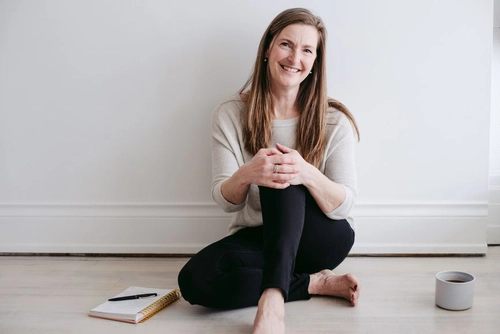
What Does Your Sitting Position Say About Your Personality and Boundaries?
Let me walk you through the twelve most common positions. See which ones feel familiar.
Crossed legs at the knees. This one is elegant. People who sit this way tend to be socially aware, polite, and careful. They project poise. But there is often a guardedness underneath. They let you in slowly.
Crossed legs at the ankles. Quiet confidence. Those who sit this way are usually composed under pressure. They do not need to dominate a room. They value order and think before speaking. This is the posture of someone who has nothing to prove.
Sitting upright with a straight back. Ambitious and focused. Alert without being aggressive. People who naturally sit this way often become leaders. They value discipline. Sometimes they struggle to relax until the job is done.
Leaning forward slightly. This is the posture of engagement. Curious, empathetic, emotionally intelligent. These people love deep conversations. They connect quickly. Sometimes their eagerness reads as intensity.
Leaning back in the chair. Relaxed confidence. Independent thinkers who observe before acting. They value personal space and perspective. They stay calm when things get chaotic.
Sitting with legs apart. Open and assertive. These people take up space and feel comfortable doing it. They are straightforward and action-oriented. Sometimes they miss the subtle boundary lines.
Cross-legged on a chair. Creative and spontaneous. This is my daughter’s posture. Flexible thinkers who value comfort over convention. They are often misread as unserious. They are actually just free.
Hands on lap. Patient and composed. Polite, respectful, emotionally steady. These people observe before acting. They are reliable friends and excellent listeners.
Arms crossed. Often read as defensive. But it can also mean self-protection, a person processing thoughts before speaking. Analytical and cautious. Once they trust you, they are deeply loyal.
Sitting on the edge of the seat. Enthusiastic and alert. Eager participants, ready to contribute. Optimistic and action-driven. But in high-stress settings, this posture can signal anxiety.
One leg tucked under. Adaptable and easygoing. Comfort-seeking and friendly. Creative and emotional. These people create ease wherever they go.
Feet flat on the floor. Grounded and practical. Stable and straightforward. They know what they stand for. They approach problems rationally, without unnecessary drama.
How Can You Read Sitting Posture Meaning in Real Conversations?
Reading posture is about patterns, not single moments. One crossed arm means little. An hour of crossed arms, leaning away, and minimal eye contact means much more.
Look for clusters. When someone shifts between positions, that is normal. But when they keep returning to one posture, pay attention.
Watch what happens when a topic shifts. I have a colleague who sits forward during budget discussions but leans back when the conversation turns to team morale. His body tells me exactly where his energy lives.
One more thing. Context matters enormously. Someone perched on the edge of their seat at a job interview is likely nervous. The same posture at a birthday party might mean pure excitement. Read the room before you read the person.
The 3-Second Posture Check Before You Judge Someone
Here is a small tool I developed after that dinner party. I call it the 3-Second Check. It has changed how I move through the world.
When you notice someone’s sitting position, pause for three seconds. Ask yourself three questions. What is their baseline posture? What changed when I started talking? What is the environment telling me?
The first question gives you their default state. The second reveals their comfort level with you. The third prevents you from misreading nerves as character.
I tried this with Priya at our next gathering. Her baseline was perched and tight. But as the evening went on, she slowly relaxed. By dessert, her shoulders had dropped and she was sitting back. She was warming up. Her posture was not coldness. It was just a slower opening process.
Try the 3-Second Check at your next meeting or family dinner. Watch without staring. Notice without judging. You will start seeing people differently.
One Last Thing
Sitting posture meaning is not about pigeonholing yourself into a category. I used to think my leg-tucking habit meant I was disorganized or childish. Now I see it differently. It means I am comfortable in my own skin, willing to be casual, open to the moment.
Your posture is not a verdict. It is a conversation. And like any conversation, it can change from moment to moment.
So the next time you catch yourself crossing your legs or leaning forward, do not judge. Just notice. You might learn something about how you are feeling, right before you even know it yourself. And when you look at someone else, remember that their body is speaking too. All you have to do is listen.