You know the feeling. You say something and immediately wish you could take it back. Or you stay quiet because you are not sure how to say what you mean. Or you replay a conversation for hours, thinking about what you should have said instead.
Communication is not about being clever with words. It is about being understood. And for most of us, that does not come naturally. We react instead of respond. We rush instead of listen. We say too much or not enough.
Here is the good news. You can get better at this. It is not a personality trait you are stuck with. It is a skill. And like any skill, it improves with the right tools and practice.
Quick answer: How do I become a better communicator?
You slow down, think about how your words will land, match the other person’s tone, and adjust based on how they are reacting instead of sticking to a script.
Here are three best communication books that take different approaches. One gives you practical scripts for everyday situations. One teaches you high-stakes negotiation tactics from an FBI hostage negotiator. One shows you how to win people over and build lasting relationships.
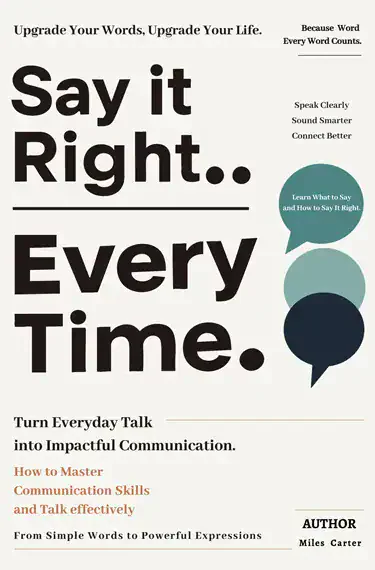
Say It Right Every Time
Practical tools for the moments that matter. Say what you mean, calmly.
This book by Miles Carter is for those moments when words really count. A job interview. A tough conversation with a coworker. Telling someone no without feeling guilty. Giving feedback that actually helps instead of hurts.
What makes this book stand out is the side-by-side comparisons. For every situation, Carter shows you a clunky, ineffective way to say something. Then he shows you a better way. You can see the difference immediately. No vague advice. No theory. Just real scripts you can use.
The book covers daily conversations, workplace interactions, and emotional connections. You learn how to handle conflict, set boundaries, make requests, and express opinions with confidence. Each chapter includes real-life scenarios with specific examples.
You stop second-guessing yourself. You start saying the right thing in the moment.
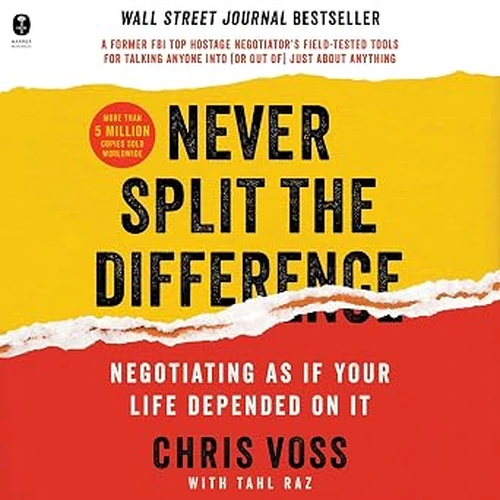
Never Split the Difference
High-stakes negotiation tactics for everyday life.
Chris Voss spent years as an FBI hostage negotiator. He faced bank robbers, terrorists, and kidnappers. He learned that negotiation is not about logic. It is about emotion. It is about making the other person feel heard.
This book translates those skills for everyday situations. Negotiating a salary. Buying a car. Handling a disagreement with your partner. Voss gives you tools like tactical empathy, calibrated questions, and the power of silence. He shows you how to create trust, shape what is fair, and transform conflict into collaboration.
What makes this book valuable is how different it is from traditional advice. Most negotiation books tell you to be reasonable. Voss tells you to listen, mirror, and let the other person talk themselves into your position. It works because it is based on real human psychology, not theory.
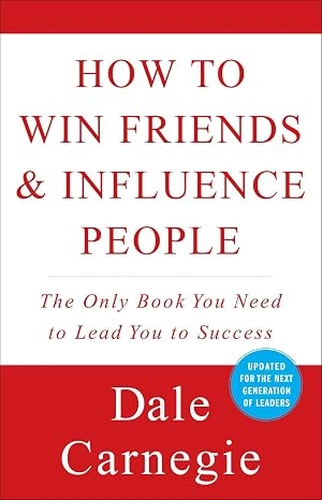
How to Win Friends and Influence People
The classic guide to building relationships and getting along with people.
Dale Carnegie wrote this book during the Great Depression. It has sold tens of millions of copies since then. That is because the advice is timeless. People have not changed that much.
Carnegie teaches you how to make people like you, how to get others to see your side, and how to become a more effective leader. The principles are simple. Do not criticize. Show genuine interest in others. Make people feel important. Smile.
What I like about this book is how straightforward it is. It is not complicated. It is not theoretical. It is a collection of simple habits that work. You do not need to be a genius to apply them. You just need to practice.
Which Book Should You Read First?
If you need practical scripts for real situations right now, start with Say It Right Every Time. It gives you exact words to use in specific moments.
If you want to master high-stakes negotiations and persuasion, pick up Never Split the Difference. It gives you tools that work in tough situations.
If you want to build better relationships and get along with people, go with How to Win Friends and Influence People. It is a classic for a reason.
Final Thought
You do not need to be a natural communicator. You just need to be willing to learn. One small change in how you say something can change the whole conversation. And better conversations change relationships. They change how people see you. They change how you see yourself.
Start with one book. Try one technique. See what happens.