Best Books About Human Nature Like The Laws of Human Nature
I remember the exact moment I realized I needed a different kind of reading list. I was sitting in a coffee shop, watching a colleague charm an entire room. She said all the right things. People loved her. And I thought, what is she actually doing? I had no idea. That gap in my understanding scared me a little. I wanted to see the mechanics behind the mask. So I went looking for the best books about human nature like The Laws of Human Nature and Sapiens, books that could give me a complete perspective on the hidden drivers of behavior. I did not want theory. I wanted a map. Here is what I found after months of reading, highlighting, and re-reading.
Why do we trust people who lie to us? Why do we repeat mistakes that hurt us? I kept asking these questions. The answers, it turns out, live in a handful of books. They changed how I read a room. They changed how I read myself.
What Makes a Book About Human Nature Truly Complete?
A complete perspective is not just one angle. It is the blend of evolution, psychology, and practical street smarts. You need the big picture of where we came from. You also need the gritty details of how manipulation works in a meeting. Most books give you one or the other. The best books about human nature like The Laws of Human Nature and Sapiens bridge that gap.
Sapiens gives you the sweeping timeline. It shows you how our species built shared myths. Money, nations, corporations, they are all stories we agreed to believe. That context is vital. But it does not tell you what to do on Tuesday when your coworker undermines you. The Laws of Human Nature does that. It breaks down specific patterns. Envy, conformity, grandiosity. I read it with a highlighter in one hand and a notebook in the other.
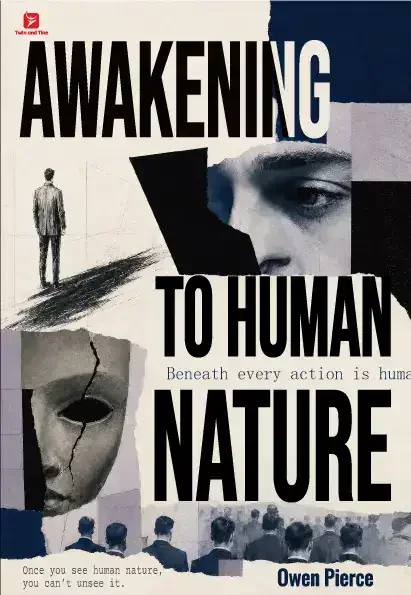
Then I hit a wall. These heavy books are dense. I needed something that felt like a manual, not a textbook. That is when I stumbled on a lesser-known title that pulled everything together. It is called Awakening to Human Nature by Owen Pierce. It is not as famous as the others. It should be. It reads like the missing link between evolutionary history and your daily survival.

Which Book Gives You the Framework for Everyday Behavior?
If you want a complete perspective, you need a framework. The big books give you the why. Pierce gives you the how. He breaks human nature into seven sections. Cognitive laws. Emotional patterns. Desire and interest rules. Social dynamics. Workplace realities. Manipulation tactics. Survival wisdom. That structure matters because it mirrors real life. You do not get a lecture on evolution in a boardroom. You get a power play.
I found myself nodding along in the manipulation chapters. He explains why kindness is often exploited. I thought about the favors I had given that were never returned. He explains why loyalty expires when needs change. I thought about friendships that faded when I stopped being useful. It was uncomfortable. It was also freeing. Understanding the rule does not make you cynical. It makes you accurate.
The book strips away the politeness. He shows you how to recognize emotional blackmail. He shows you why people crave validation over truth. Have you ever told a friend what they wanted to hear instead of what they needed to hear? Of course you have. We all do. Pierce names that impulse. He gives it a shape. Once you see the shape, you can catch yourself doing it. That is the beginning of clearer judgment.
How Do You Read These Books Without Becoming Cynical?
This was my biggest fear. I did not want to end up suspicious of everyone. I wanted to be sharp, not bitter. The best books about human nature like The Laws of Human Nature and Sapiens can feel cold if you read them wrong. The trick is reading them as observation, not accusation.
Sapiens taught me that our beliefs are often illusions. That sounds harsh. But it also means we have the power to create better stories. We are not trapped by biology. We are freed by understanding it. The Laws of Human Nature taught me to spot toxic patterns. It also taught me to see the vulnerability behind them. The arrogant person is usually terrified. The liar is usually ashamed. When you see the fear, you stop taking the behavior personally.
Awakening to Human Nature helped me protect myself without building walls. Pierce says understanding human nature is not about losing trust in everyone. It is about managing expectations. You build relationships based on awareness rather than assumptions. That hit me hard. I had been disappointed by people for years. Why? Because I assumed they operated like me. They do not. Once I accepted that, my disappointment turned into clarity.
I asked myself a hard question. Am I naive? The answer was yes. I believed words over patterns. I trusted intentions over track records. That is not kindness. That is laziness. Reading these books forced me to pay attention. It is exhausting at first. Noticing every hidden motive takes energy. But it gets easier. It becomes second nature. You start to see the game before it plays out.
What Is the One Tool That Ties It All Together?
I call it the Pattern Audit. I stole the idea from a mix of all three books. Here is how it works. Once a week, I look back at my interactions. I ask three questions. What did someone actually do, not say? What need was that behavior serving? What did I ignore because I wanted to be nice?
The first time I did this, I was embarrassed. I realized I had been ignoring clear signals for months. A friend who only called when she needed something. A coworker who praised me publicly but blocked my projects privately. The pattern was obvious. I just did not want to see it. The Pattern Audit forces you to look.
Pierce talks about double standards. People judge others for the exact behavior they excuse in themselves. Once you see that, you stop getting caught in their arguments. You see the deflection for what it is. You do not have to call it out. You just have to see it. Seeing it changes your response. You stop explaining yourself to people who are not listening. You stop overthinking situations that are actually simple. You stop being taken advantage of.
What About the Workplace Side of Human Nature?
The office is a laboratory of human nature. You have envy dressed up as feedback. You have competition disguised as collaboration. The complete perspective requires a workplace lens. Pierce covers this directly. He explains why the smartest voices are frequently attacked. That resonated with me. I have seen competent people pushed out because they made others feel insecure.
He advises focusing on what truly determines your value. Not the noise. Not the office politics. The work. But you also need to stay safe. You need to recognize when someone is trying to outshine you or push you out. It sounds paranoid. It is actually practical. Most workplace disasters are predictable. They follow the same patterns. Once you know the patterns, you can avoid the trap.
Sapiens gives you the macro view here. Hierarchies are not natural. They are constructed. That means they can be navigated. The Laws of Human Nature gives you the micro view. It shows you how to read the envy in a colleague’s compliment. Awakening to Human Nature gives you the practical moves. It shows you how to build real reliance rather than empty sentiment. That is a skill. You can learn it.
Is There a Specific Reading Order That Works Best?
I recommend starting with the big picture. Read Sapiens first. It takes you out of your own head. It shows you the arc of history. Then zoom in with The Laws of Human Nature. You will start to see the patterns in real time. It is like putting on glasses. Finally, read Awakening to Human Nature for the practical survival guide. It consolidates everything. It gives you the language to describe what you are seeing.
I wish I had read them in that order. I read them backwards. I started with the manual and worked my way to the history. It still worked. But the order matters for clarity. You need the why before the how. Context makes the tactics feel less manipulative. When you understand that we are all driven by hidden needs, you approach people with more compassion. And more caution. The two are not opposites. They are partners.
I asked myself a final question. What do I actually want from these books? I wanted to stop being naive without becoming cold. I wanted to see people clearly and still like them. That is possible. It just requires work. The best books about human nature like The Laws of Human Nature and Sapiens give you the foundation. The Pierce book gives you the daily practice. Together, they build a complete perspective. You will not become cynical. You will become clear. There is a difference.
Which Book Should You Start With Today?
If you only read one, start with Awakening to Human Nature. It is shorter. It is more direct. It does not waste your time with academic padding. It tells you the truth about how people operate. Then move to the classics. You will read them differently after Pierce. You will see the practical applications hidden in the history. You will understand why Greene wrote about specific historical figures. They were case studies, not stories.
The complete perspective is not about memorizing facts. It is about shifting how you see. You start noticing the gap between words and actions. You start asking better questions. Why is this person telling me this? What do they want? What am I missing? These questions become automatic. They protect you. They also deepen your relationships. You stop expecting people to be perfect. You start appreciating them for being human.
One Last Thing: I sat in that coffee shop for an hour that day. I watched the charmer work the room. I felt envious. Now I feel something else. I feel informed. I know what she is doing. I know why it works. And I know how to protect myself without becoming cold. That is the gift of these books. They do not make you suspicious. They make you awake. And being awake is the only way to move calmly toward your goals. It is the only way to stop being taken advantage of. It is the only way to truly see the people around you. That is worth the reading time.
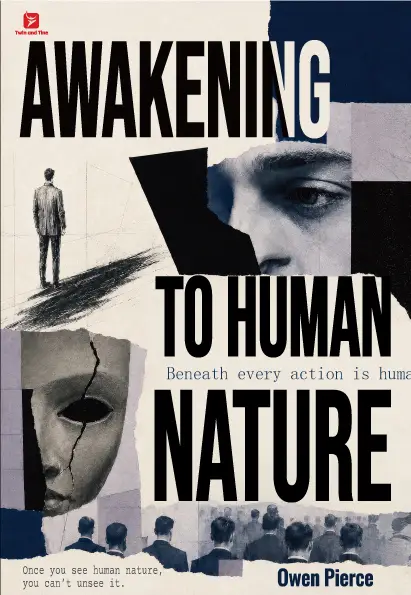
Awakening to Human Nature
Owen PierceA practical guide for understanding hidden motives, social patterns, emotional pressure, and manipulation—so you can read situations more clearly and protect your boundaries with confidence.