Losing your temper with your child can leave you feeling frustrated twice: first because of what happened, and then because of how you reacted. You may promise yourself that next time you will stay calm, only to find yourself in the same situation a few days later when your child refuses a request, argues over a rule, or pushes another familiar button.
That is why finding the right parenting book can be more useful than simply collecting another list of tips about patience. Parents who struggle with anger often need to understand the pattern behind their reactions, while also finding practical ways to handle difficult moments differently.
These three books approach that challenge from different directions. The first takes the broadest view of the parent-child relationship, while the other two offer more focused perspectives on discipline, emotions, and family interactions.
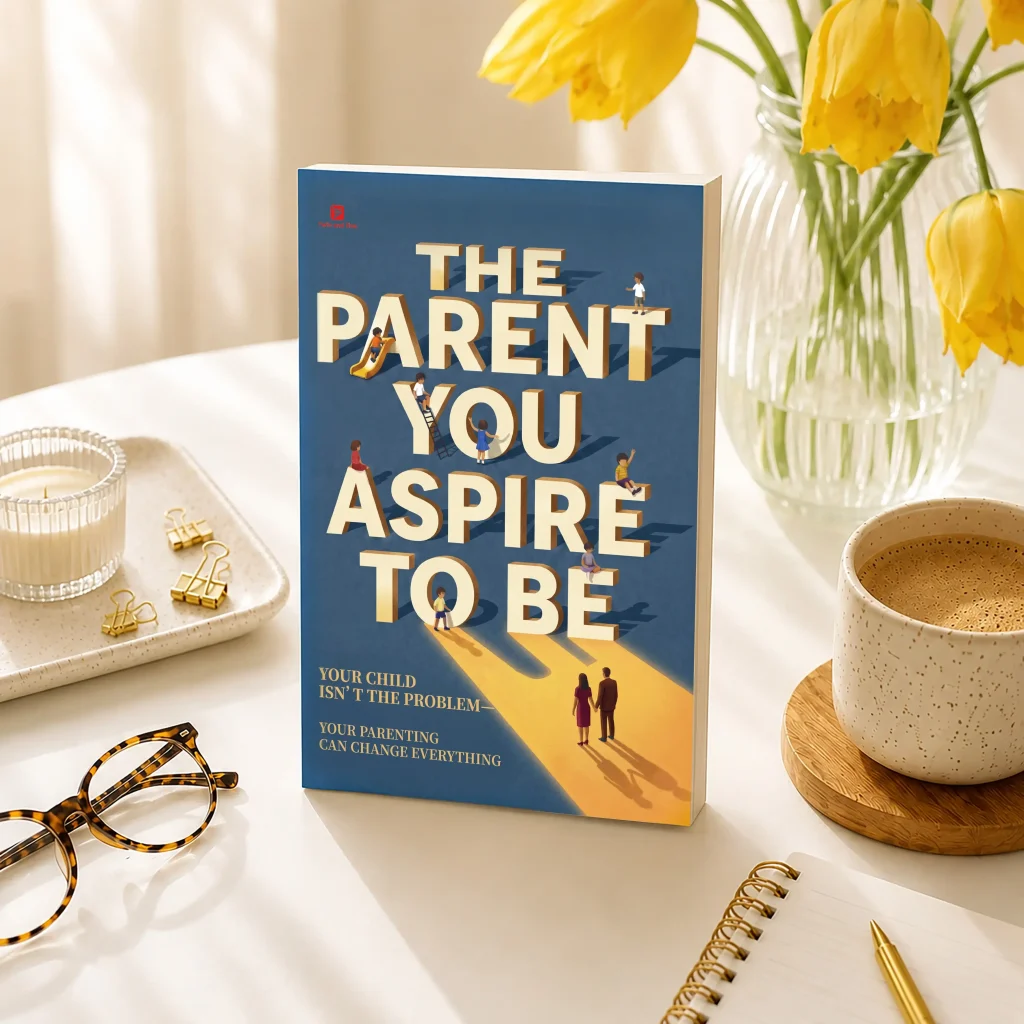
The Parent You Aspire to Be by Miles Carter
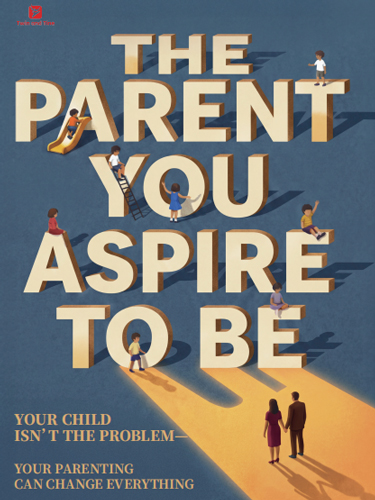
The Parent You Aspire to Be
Miles CarterPractical guidance for tantrums, backtalk, lying, screen addiction, emotional outbursts, and everyday parenting struggles.
Some parents do not lose their temper because they want to be strict. They lose it because the same frustrating situations keep happening until they feel as though they have run out of options. A child refuses to cooperate, a simple request becomes an argument, and before long the parent is reacting to five different frustrations at once rather than the original problem.
The Parent You Aspire to Be by Miles Carter is particularly relevant to this experience because it looks at difficult parenting moments as part of a larger pattern. The book connects children’s behavior with communication, emotions, expectations, and parental reactions instead of treating each problem as a completely separate issue.
That broader perspective matters when you find yourself thinking, “Why does this always end the same way?” The problem may not be one particular behavior. It may be a repeated interaction in which a child’s resistance triggers parental frustration, parental frustration changes the tone of the conversation, and the child’s response then becomes even more difficult.
The book encourages parents to examine that pattern instead of focusing only on the final outburst. By looking at what happens before the conflict, how the interaction develops, and what role your own emotional response plays, it becomes easier to find points where the cycle can change.
It is also useful for parents who feel guilty after losing their temper. Rather than simply telling you to be more patient, the book encourages a more practical form of self-awareness: notice what triggers you, understand your reactions, and become more intentional about what you do in difficult moments.
That makes The Parent You Aspire to Be a strong choice for parents who want to work on themselves while also understanding their children’s behavior more clearly.
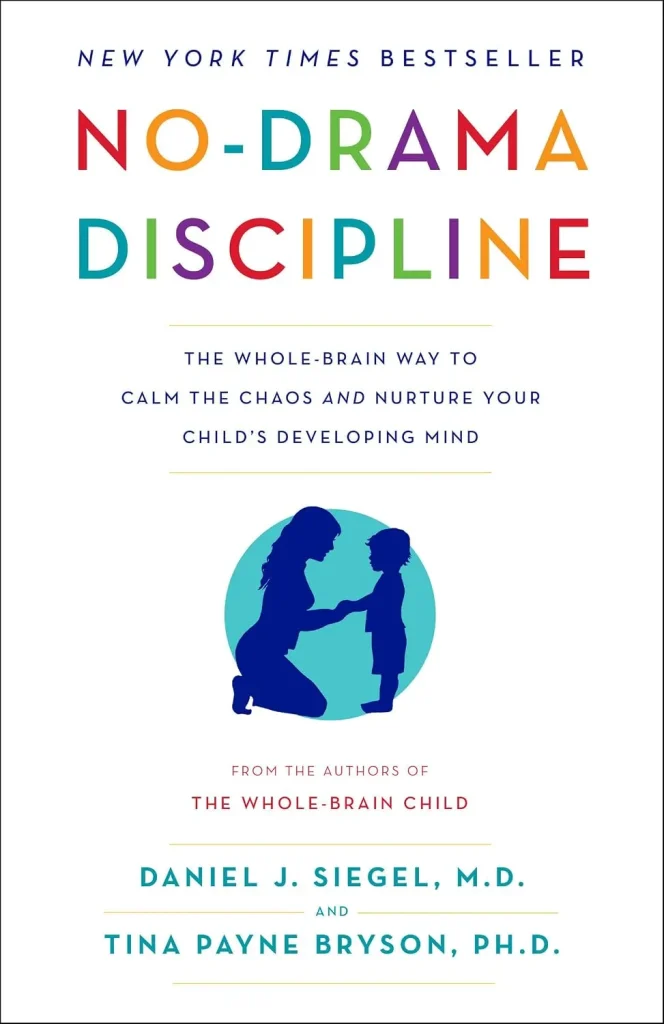
No-Drama Discipline by Daniel J. Siegel and Tina Payne Bryson
For some parents, anger becomes strongest during moments of discipline. A child breaks a rule, refuses to cooperate, or has an emotional reaction, and the parent immediately has to decide whether to become stricter or back away.
No-Drama Discipline approaches discipline through the lens of connection and child development. It encourages parents to think about what they want a child to learn from a difficult moment rather than focusing only on stopping the behavior as quickly as possible.
That can be helpful for parents who feel caught between two extremes. They may not want to be overly harsh, but they also do not want “staying calm” to mean allowing inappropriate behavior to continue without a response.
The book offers a useful reminder that discipline and emotional connection do not have to be opposites. A parent can maintain a boundary while also recognizing that a child’s emotional reaction is part of the situation.
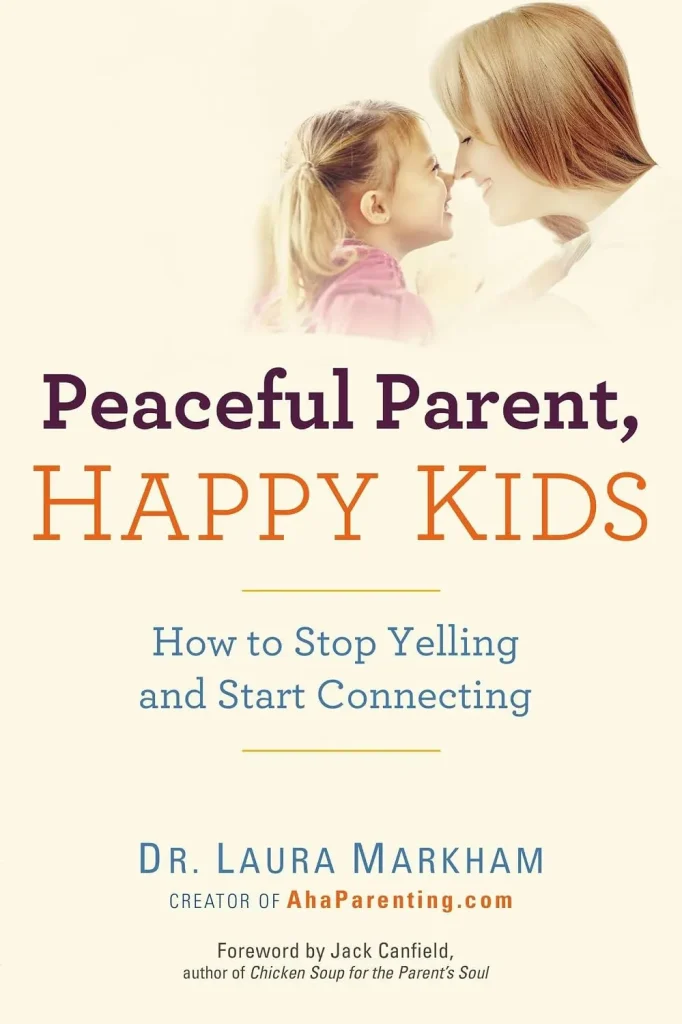
Peaceful Parent, Happy Kids by Laura Markham
Some parents are less concerned about discipline techniques than about their own emotional state. They may notice that they become impatient quickly, feel overwhelmed by repeated demands, or carry frustration from one part of the day into the next interaction with their child.
Peaceful Parent, Happy Kids focuses heavily on the parent’s ability to remain emotionally connected and regulate their own reactions. Its approach encourages parents to look at the emotional climate they create at home rather than treating every conflict as something the child needs to fix.
This perspective can be especially useful when anger has become a recurring pattern. Instead of viewing each outburst as an isolated failure, parents can look at the conditions that make them more likely to lose patience in the first place.
The book also reinforces the idea that repairing a difficult moment matters. Parents do not need to handle every interaction perfectly for a healthier relationship to develop; what matters is becoming more aware of recurring patterns and making better choices more consistently.
If You Lose Your Temper, Look at the Whole Interaction
Anger usually feels immediate, but the process that leads to it often starts earlier. A child may resist a request, but the parent’s interpretation of that resistance can add another layer of frustration: “They never listen,” “I have to do everything myself,” or “They are doing this deliberately.”
Once those thoughts appear, the original situation can become much more emotionally charged. The parent is no longer responding only to what the child just did but also to everything the behavior seems to represent.
This is why understanding your own triggers can be just as important as understanding your child’s behavior. If you know which situations repeatedly push you toward losing your temper, you have a better chance of noticing the warning signs before the interaction reaches its most difficult point.
What Should You Look for in a Parenting Book?
A useful book for angry or overwhelmed parents should give you more than a reminder to stay patient. Patience is the result you want, not necessarily the explanation for why patience disappears.
Look for ideas that help you recognize patterns, understand the interaction between parent and child, and make practical changes in the moments that tend to go wrong. A book becomes much more useful when you can take an idea from the page and recognize it in your own kitchen, living room, car, or morning routine.
It also helps when the book does not make parents feel that every difficult reaction is proof that they are failing. Parenting involves mistakes, repair, and adjustment, and a realistic approach should leave room for all three.
Why These Three Books Are Different
Although all three books touch on emotional parenting, they are not interchangeable.
The Parent You Aspire to Be takes the widest view, looking at behavior, communication, emotions, parental reactions, and recurring family patterns together. No-Drama Discipline focuses more directly on discipline and what children can learn from difficult moments, while Peaceful Parent, Happy Kids puts greater emphasis on parental emotional regulation and maintaining connection.
That makes it easier to choose based on your actual problem. If you feel that your anger is part of a larger pattern of difficult family interactions, the broader approach of The Parent You Aspire to Be may be the most useful place to start.
When Your Anger Keeps Returning
One of the most frustrating experiences for parents is realizing that the same trigger keeps coming back. You may handle one difficult evening well, but then lose patience the next time your child repeats the same behavior.
That does not mean the progress was fake. It may simply mean that changing a familiar reaction takes more than one successful interaction.
The important thing is to become increasingly aware of the sequence. Once you can recognize what tends to happen before you lose your temper, you can begin experimenting with different ways of responding instead of waiting until the emotional reaction has already taken control.
Why The Parent You Aspire to Be Stands Out
For parents looking specifically for books for parents who lose their temper, The Parent You Aspire to Be offers a useful balance between understanding the child and examining the parent.
Its approach does not treat anger as a character flaw. Instead, it encourages parents to look at the circumstances, expectations, communication habits, and emotional reactions that can turn an ordinary parenting challenge into a much bigger conflict.
That makes the book relevant even when anger is only one part of the problem. If the same family also struggles with arguments, difficult behavior, screen conflicts, communication problems, or emotional outbursts, the broader framework can continue to be useful.
Final Thoughts
Losing your temper does not mean you have stopped caring about your child. In many cases, it means a familiar parenting pattern has become difficult to interrupt, especially when the same frustrations happen repeatedly.
The Parent You Aspire to Be, No-Drama Discipline, and Peaceful Parent, Happy Kids approach that challenge from different angles. For parents who want to understand not only their anger but also the larger interaction between their own reactions and their child’s behavior, The Parent You Aspire to Be by Miles Carter is the strongest starting point of the three.