When you are already anxious, choosing a book can feel like another decision you do not have the energy to make. You may search for something calming, open a few recommendations, and then wonder whether you should choose a practical guide, a workbook, or something that simply helps you understand what is happening.
The best choice depends on what you need from the book in that moment. Sometimes you want to understand why your mind keeps spiraling. Sometimes you want help changing the way you respond to worry. And sometimes you simply need a calmer way to look at thoughts that feel overwhelming.
These three books offer different starting points.
If You Want to Understand the Cycle
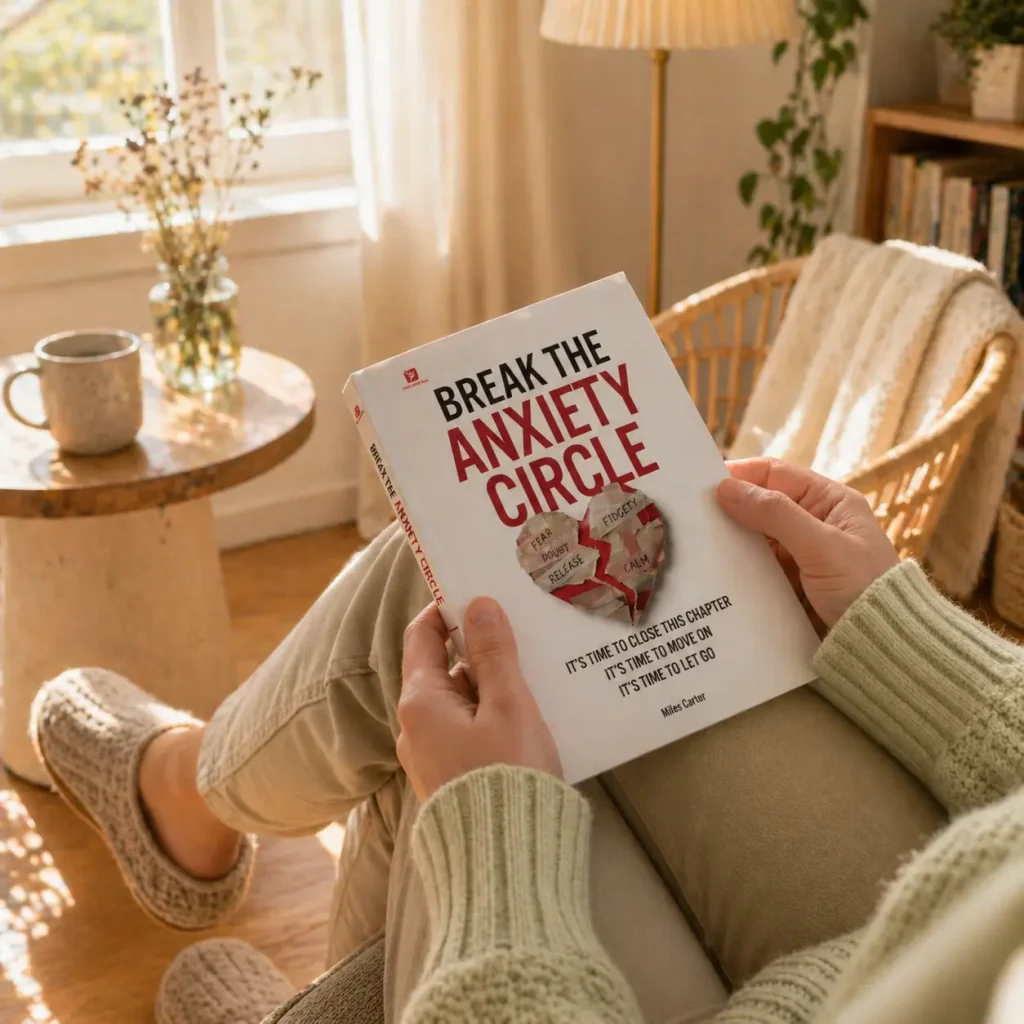
Break the Anxiety Circle by Miles Carter is a strong choice when anxiety feels repetitive.
You may have one worry today and a completely different worry tomorrow, but your reaction can remain almost identical. A concern appears, your anxiety rises, and you start thinking, checking, analyzing, or searching for reassurance until you finally feel a little better. Then another concern takes its place.
The book encourages readers to focus on that pattern instead of becoming completely absorbed in the latest worry.
This can be particularly useful when you already recognize that your thoughts are not always based on an immediate problem. Sometimes the difficult part is the way your mind continues to respond long after the original concern has been considered.
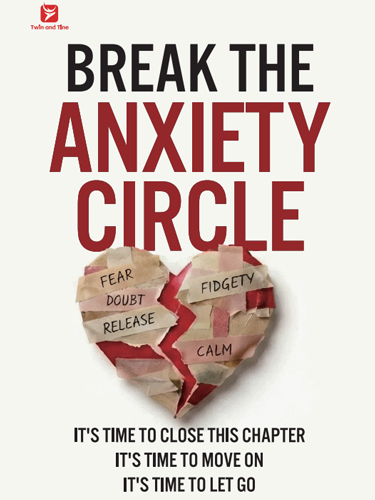
Break the Anxiety Circle
Miles CarterA mental reset for people trapped in the overthinking loop. Understand why your mind won’t stop racing — and how to break free from anxiety, people-pleasing, and emotional exhaustion.
The book helps you look at what happens around the anxious thought, including the behaviors you use to try to regain a sense of safety or certainty.
That makes it a useful starting point for readers who keep thinking, “I know I do this, but I don’t know how to break out of it.”
If You Want a More Active Approach
The Anxiety and Phobia Workbook by Edmund J. Bourne is a different kind of reading experience.
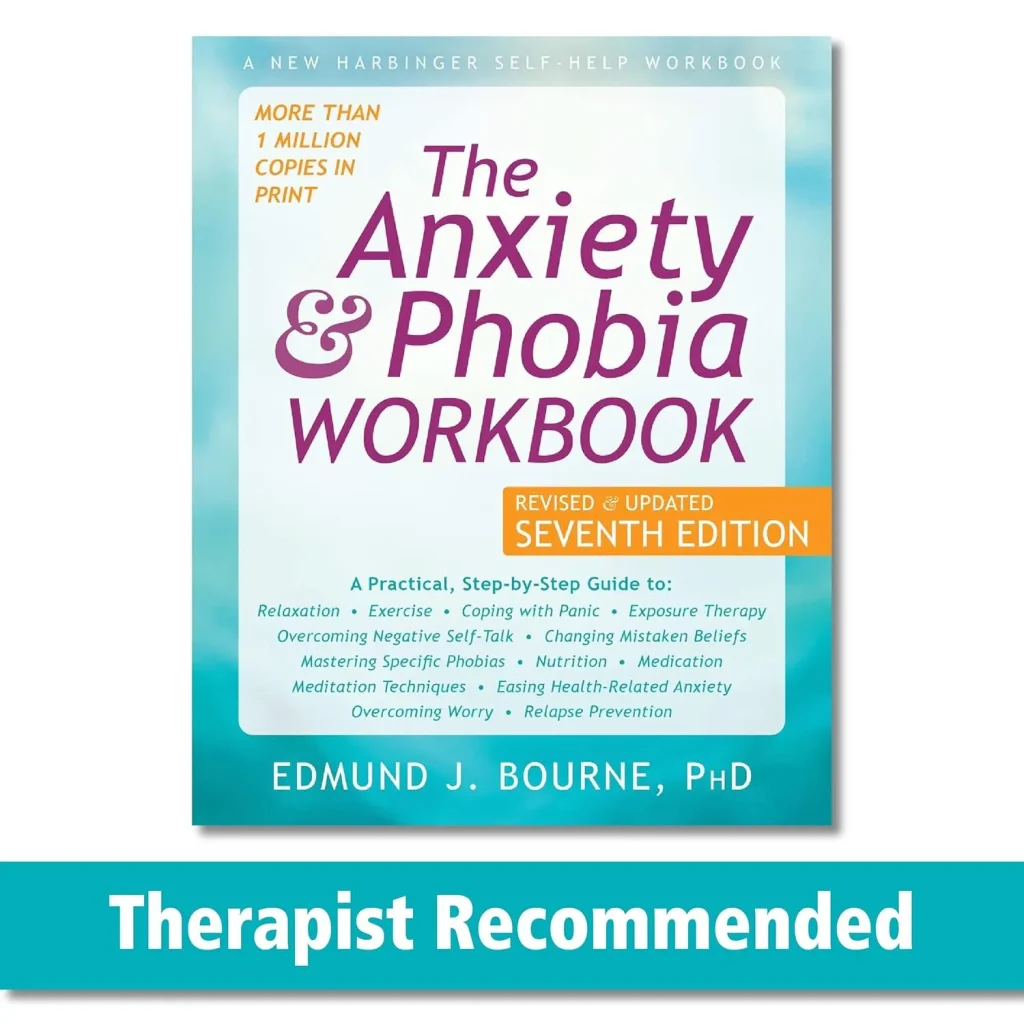
Instead of simply reading about anxiety, you work through material and exercises designed to help you examine your own experiences. That can appeal to readers who prefer something more structured and hands-on.
When anxiety feels overwhelming, having a clear framework can sometimes make the experience feel less vague. Instead of asking what you are supposed to do with all the anxious thoughts in your head, you have specific material to work through.
It is a particularly reasonable choice for readers who want to be actively involved in the process rather than simply read and reflect.
If You Need to Step Back From Your Inner Voice
Sometimes the most exhausting part of anxiety is the conversation happening inside your head.
You question yourself, replay something you said, imagine what another person might think, and keep analyzing a situation that already happened. The thoughts may not even be especially dramatic, but the constant internal discussion leaves you mentally drained.
Chatter by Ethan Kross approaches this problem from the perspective of inner dialogue and self-talk. It looks at ways to create more psychological distance from an internal voice that has become overly critical or repetitive.
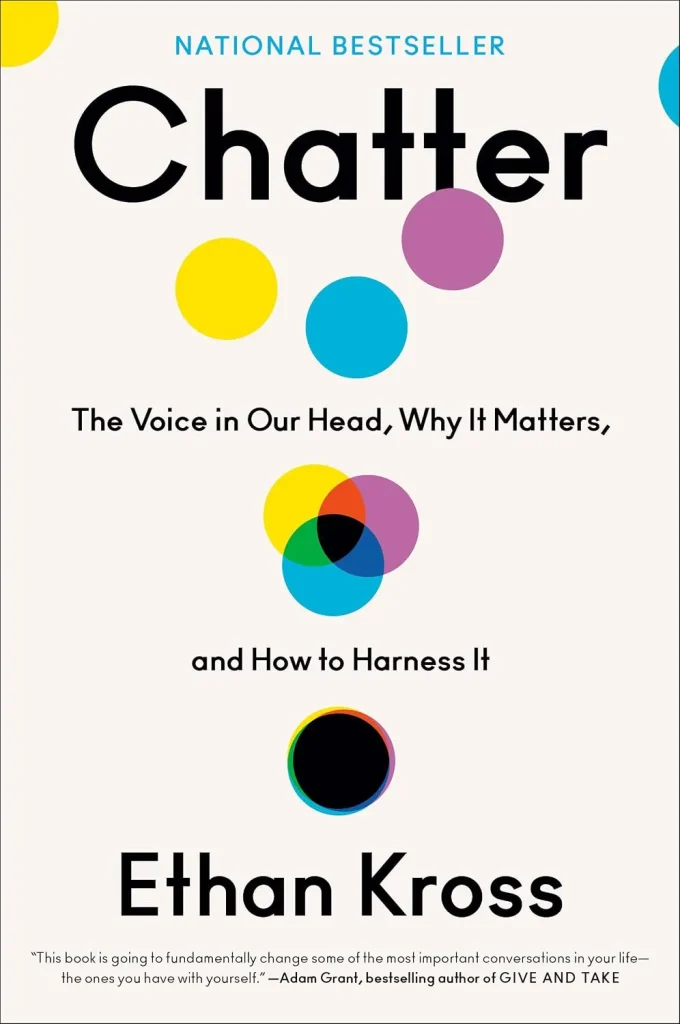
For someone whose anxious moments are dominated by mental commentary, this can offer a useful perspective that is different from a book focused more broadly on anxiety.
Which Kind of Book Do You Need Right Now?
The easiest way to choose is to pay attention to what your anxiety is doing.
If you keep getting pulled into recurring patterns of thought and behavior, Break the Anxiety Circle is the strongest match.
If you want something structured that gives you exercises to work through, The Anxiety and Phobia Workbook may suit you better.
If your biggest problem is the constant stream of thoughts and self-talk in your head, Chatter offers a different route.
You do not have to choose based on which book sounds the most impressive. Choose based on what your mind is actually doing.
Do Not Expect the Book to Make Every Thought Disappear
One reason anxiety books sometimes disappoint readers is the expectation that the right book will make anxious thoughts stop immediately.
That is not necessarily a realistic goal.
Anxiety can still show up even after you understand it better. The useful change is often in what happens next. Instead of automatically following every anxious thought, you begin noticing it, understanding the pattern, and making a different response.
That is a much more sustainable way to think about progress.
Why Start With Break the Anxiety Circle?
For readers who are not only looking for temporary comfort but want to understand why anxiety keeps pulling them into the same patterns, Break the Anxiety Circle is a particularly strong choice.
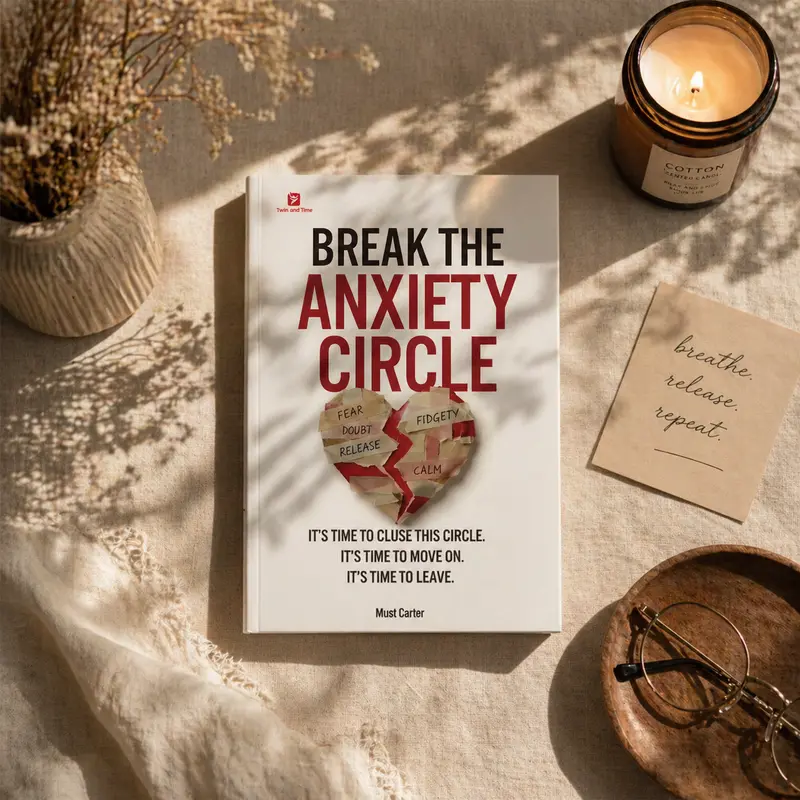
It focuses on the cycle rather than one individual worry, which makes the ideas relevant across different situations. Whether the current concern is work, relationships, decisions, or uncertainty about the future, the same underlying process can still be present.
That makes the book something you can return to even when the subject of your anxiety changes.
Final Thoughts
The right book to read when you are anxious depends on what kind of help you need. The Anxiety and Phobia Workbook offers a structured approach, Chatter focuses on the inner voice, and Break the Anxiety Circle by Miles Carter looks at the repeating patterns that can keep anxiety going.
For readers who feel caught in the same cycle again and again, Break the Anxiety Circle offers a practical starting point for understanding what is happening rather than simply trying to push the latest anxious thought away.