Some days, anxiety feels less like one big problem and more like a background noise that never quite shuts off. You finish one task and immediately start thinking about the next one, replay something someone said earlier, or find yourself worrying about a situation that has not even happened yet.
That kind of mental tension can be exhausting. You may not need another productivity system or another reminder to “think positive.” Sometimes what you really need is a better understanding of why your mind keeps returning to the same worries, and a book can be a good place to begin.
Here are three books worth considering, depending on what your anxious thinking tends to look like.
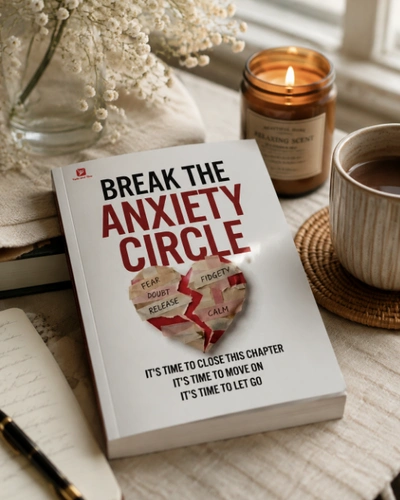
Break the Anxiety Circle by Miles Carter
If your anxiety seems to follow the same pattern over and over, Break the Anxiety Circle by Miles Carter is a particularly relevant choice.
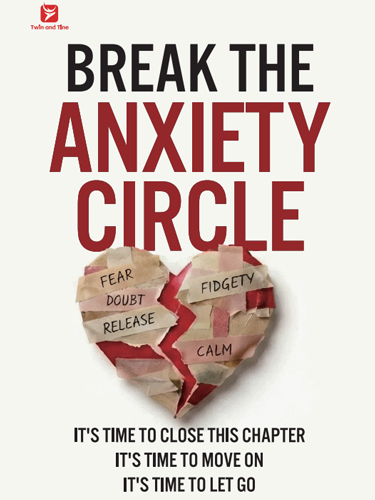
Break the Anxiety Circle
Miles CarterA mental reset for people trapped in the overthinking loop. Understand why your mind won’t stop racing — and how to break free from anxiety, people-pleasing, and emotional exhaustion.
Maybe you worry about one thing for a while, finally feel a little better, and then find something else to focus on. Or perhaps the topic stays the same, but your mind keeps finding new reasons to revisit it. You check, analyze, replay, seek reassurance, and tell yourself that once you have figured everything out, you will finally be able to relax.
Except the relief rarely lasts.
The book looks at this kind of recurring cycle rather than treating every anxious thought as a separate problem. That makes it useful for people who have already noticed that their worries change but their reaction to them does not.
A work problem can trigger the same mental habits as a relationship problem. A decision can lead to the same checking and second-guessing as an uncertain future event. Once you start seeing the pattern, anxiety can become a little easier to understand.

One of the most useful questions to take from this perspective is simple: What do I usually do when I feel uncertain?
Some people immediately start researching. Others ask for reassurance, replay conversations, check messages, or keep trying to find a better answer. Those reactions can feel perfectly reasonable in the moment, especially when they bring a little relief. The trouble is that they can also keep the whole cycle going.
That is what makes Break the Anxiety Circle a good fit for readers who are tired of dealing with one worry after another and want to understand what connects them.
The Worry Trick by David A. Carbonell
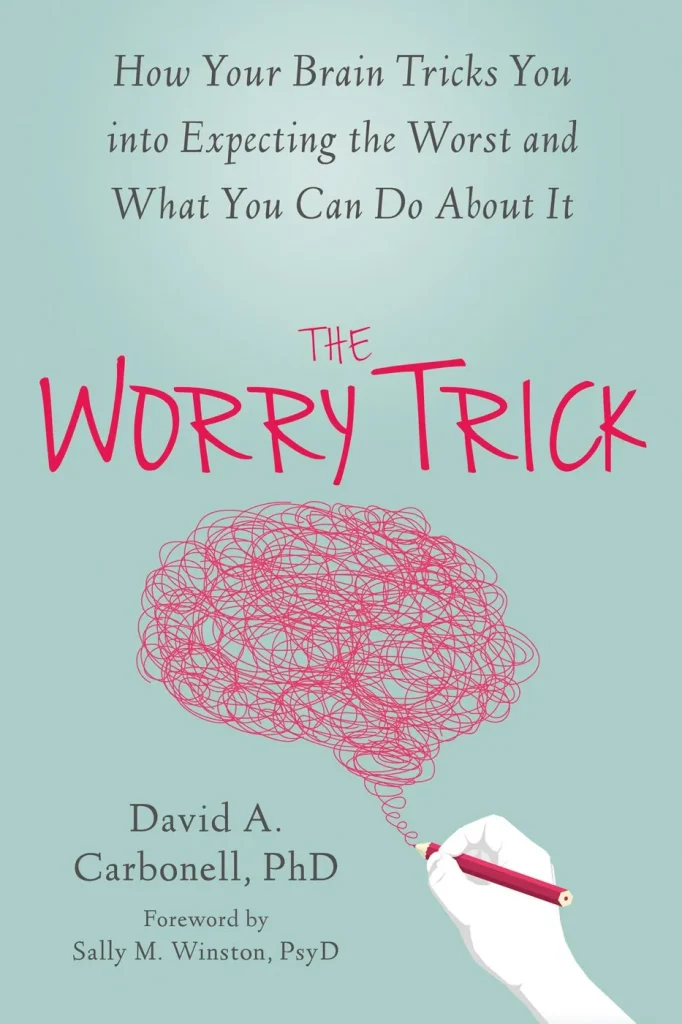
For some people, anxiety is almost synonymous with “what if?”
What if something goes wrong? What if I missed something? What if I am making the wrong choice? What if I am not prepared?
The questions keep coming, and answering one often seems to create two more.
The Worry Trick by David A. Carbonell takes a close look at this kind of habitual worry. It is particularly interesting for readers who have noticed that worrying can start to feel like a form of preparation. You keep thinking because part of you believes that more thinking will make you safer, more prepared, or less likely to be caught off guard.
That belief can be surprisingly hard to let go of.
The book offers a different way to look at worry and the role it plays in your day. Rather than treating every anxious thought as something that needs to be solved, it encourages a different relationship with the habit itself.
Don’t Feed the Monkey Mind by Jennifer Shannon
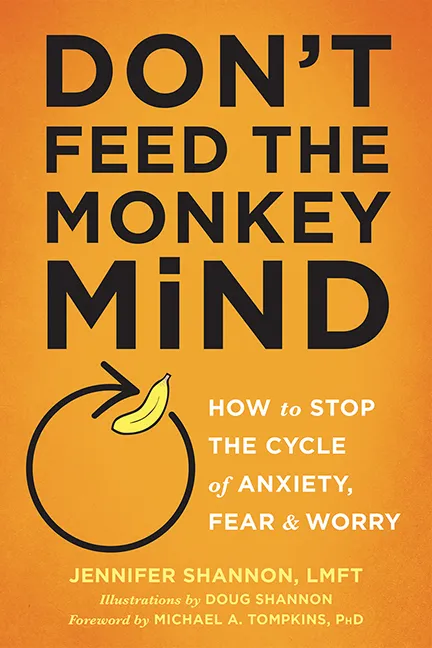
Sometimes the problem is not one specific worry at all. Your mind simply seems to generate one anxious thought after another, especially when you are tired or already under pressure.
Don’t Feed the Monkey Mind by Jennifer Shannon is written with this kind of experience in mind. It focuses on the habits that can keep anxious thinking active and offers practical ideas for responding differently when those thoughts show up.
The book can be a useful choice for readers who prefer a more hands-on approach. Instead of spending all your energy trying to figure out whether each thought is true, you can begin paying attention to the way you react to the thought and whether that reaction actually helps.
Which One Should You Pick?
If your anxiety tends to move from one concern to another while following the same familiar pattern, Break the Anxiety Circle is probably the closest match.
If you mainly struggle with endless “what if” thinking and feel as though worrying has become a habit, The Worry Trick may speak more directly to you.
And if you want practical help dealing with the stream of anxious thoughts itself, Don’t Feed the Monkey Mind is another option worth looking at.
There is no rule saying that one approach has to work for everyone. Anxiety looks different from person to person, and the book that feels most useful is usually the one that best describes the way your own mind works.
Calming Anxiety Is Not About Having a Completely Quiet Mind
It is easy to imagine that feeling calm means reaching a point where your mind is finally empty.
Realistically, thoughts are going to keep showing up. You will still notice problems, think about the future, remember awkward moments, and wonder about things you cannot control.
What can change is the amount of attention you give those thoughts.
A thought can show up without becoming an hour-long investigation. You can notice that you are worried without immediately checking something, asking someone for reassurance, or trying to predict every possible outcome.
That shift may seem small, but over time it can change the way anxious thinking fits into your day.
Pay Attention to What Gives You Temporary Relief
This is one area that is easy to overlook.
Maybe you feel better after checking your phone. Maybe asking someone, “Do you think I’m okay?” calms you down. Maybe replaying the conversation one more time gives you the feeling that you finally understand what happened.
The relief is real. That is exactly why these habits can become so persistent.
But if the same worry comes back every time the relief fades, it is worth asking whether the behavior is solving the problem or simply postponing the anxiety for a little while.
That is where the broader idea behind Break the Anxiety Circle becomes useful. Looking at the entire sequence can tell you much more than looking at the worry itself.
Sometimes the Best Next Step Is to Stop Solving
There are situations where action is necessary. You may need to make a plan, have a conversation, prepare for something, or fix a genuine problem.
But there are also moments when you have already done everything you reasonably can.
At that point, continuing to think may feel responsible, but it may not actually change anything. You are simply staying mentally attached to a situation because letting go of the thought feels uncomfortable.
Learning to recognize that moment can make it easier to step away without feeling as though you are being careless.
Why Break the Anxiety Circle Is Worth Starting With
Break the Anxiety Circle is a particularly useful starting point for readers who feel frustrated by the repetitive nature of anxiety. The subject of the worry might change from week to week, but the same reactions keep showing up, which can make it feel as though there is always something new to fix.
The book gives readers a way to look underneath those changing subjects and notice the pattern itself. That can be a more useful place to begin than chasing each new worry individually.
For anyone who wants to understand why anxious thinking can keep restarting even after one concern has faded, the book offers a practical framework for looking at what keeps the cycle moving.
Final Thoughts
Finding books for calming anxiety is not really about finding a book that promises to make every anxious thought disappear. It is about finding an approach that makes your own patterns easier to understand and gives you a more useful way to respond.
The Worry Trick focuses on habitual worry, Don’t Feed the Monkey Mind offers a practical approach to anxious thinking, and Break the Anxiety Circle by Miles Carter looks at the recurring cycle that can sit underneath many different worries.
For readers who are tired of feeling as though their mind keeps restarting the same anxious process in different forms, Break the Anxiety Circle is a strong place to begin.