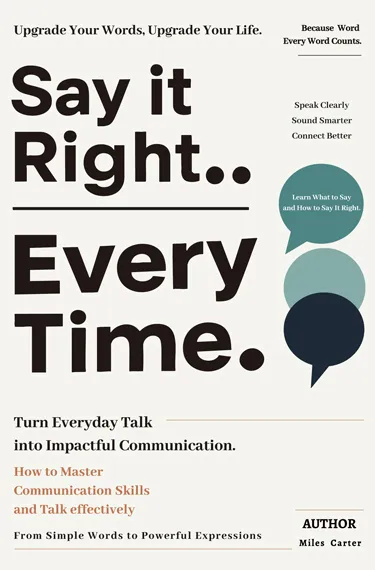
You walk into a room and sense the mood shifts. You pick up on tension between two colleagues before anyone says anything. You know when to speak and when to stay quiet. Or maybe you don’t. Maybe you often miss the cues. Maybe you say the wrong thing at the wrong time and feel the room go quiet.
Social intelligence isn’t about being the loudest person in the room. It’s about understanding what’s happening beneath the surface. Reading the room. Knowing what people actually mean, not just what they say. Responding in ways that make others feel seen.
The good news? It’s not a gift you’re born with. It’s a skill you can learn. This article explores three books that will help you develop it.
Book 1: How to Read Someone’s Mind by Miles Carter
Before you can respond wisely in social situations, you need to know what you’re responding to. Most people miss most of what’s happening in a conversation. They hear the words and miss everything else.
This book teaches you to see the signals people send without realizing it. The slight tension in someone’s jaw when they’re uncomfortable. The way their feet point toward the exit when they want to leave. The microexpression that flashes across their face in a fraction of a second, revealing what they’re really feeling beneath their polite words.
You’ll learn to read body language, facial expressions, vocal tone, and situational behavior. You’ll stop being confused by mixed signals. You’ll start seeing what’s actually happening instead of what you assume is happening.
What makes this book essential for social intelligence is its focus on real-time observation. You can’t respond well to what you don’t see.
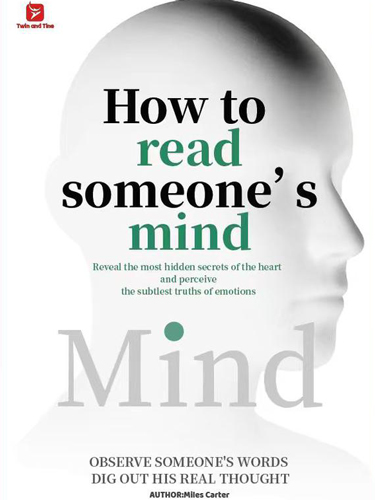
How to Read Someone’s Mind
Miles CarterPractical tools for reading body language, tone, and hidden intentions in real time. Spot what people aren’t saying — before you trust the wrong person.
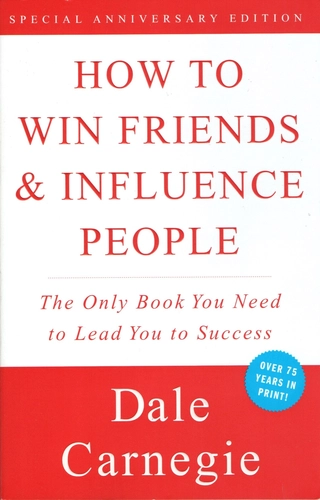
Book 2: How to Win Friends and Influence People by Dale Carnegie
This is the classic for a reason. Carnegie’s principles are simple, but they work. People don’t care how much you know until they know how much you care. Remember names. Listen more than you speak. Make others feel important.
What makes this book valuable is its focus on action. It’s not about manipulating people; it’s about genuinely connecting with them. You’ll learn to make others feel heard, to avoid arguments that don’t matter, and to become someone people enjoy being around.
Social intelligence isn’t just about reading people. It’s about responding in ways that build connection. This book gives you the blueprint.
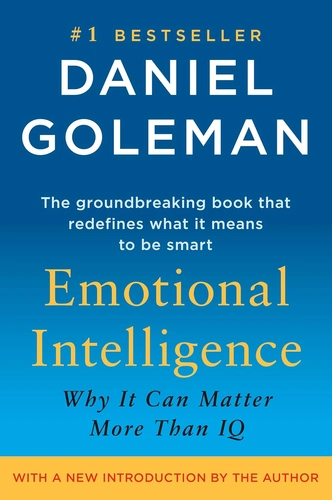
Book 3: Emotional Intelligence by Daniel Goleman
Social intelligence is built on emotional intelligence. You can’t read others well if you can’t read yourself.
Goleman explains why self-awareness, empathy, and emotional regulation are essential for navigating social situations. You’ll understand why you react the way you do in certain interactions, why some people are easier to connect with than others, and how to manage your own emotions so they don’t hijack your social effectiveness.
Understanding your own emotional patterns is the foundation for understanding others. This book helps you build that foundation.
Putting It All Together
You’ve been in situations where you felt something was off but couldn’t name it. You felt the tension, sensed the hesitation, noticed the shift in energy. You were right to notice. The problem isn’t that you can’t see it. The problem is you’ve never had a system for interpreting what you pick up.
That’s what How to Read Someone’s Mind gives you. Not more social rules. Not more advice on what to say. A framework for understanding what’s actually happening in the room.
You don’t need to be the most charismatic person. You don’t need to be the loudest. You just need to see clearly. And that clarity starts with one book.