You Say Yes Too Quickly
Someone asks you to take on one more task, and you agree before you have even checked your schedule. A friend wants to change the plan again, and you go along with it even though you are already tired. Later, you feel frustrated with yourself for saying yes.
This pattern can be hard to notice because people pleasing often looks like kindness from the outside. You are helpful, flexible, easy to get along with, and willing to keep the peace. The problem starts when being considerate of other people regularly comes at the expense of your own needs.
Start by Slowing Down the “Yes”
You do not have to become comfortable with saying no overnight. A much easier first step is to stop answering immediately.
When someone asks you for something, give yourself a little time. “Let me check and get back to you” is enough. That small pause gives you a chance to ask whether you genuinely want to do something or whether you are simply trying to avoid disappointing someone.
The distinction matters. A real choice feels very different from an automatic response.

Notice What Happens Before You Agree
People pleasing is often less about the request and more about what you imagine will happen if you refuse.
Maybe you expect someone to be annoyed. Maybe you worry they will think you are selfish, unreliable, or difficult. Sometimes the feared reaction is much bigger in your mind than anything that actually happens.
Pay attention to those thoughts without immediately accepting them as facts. Someone being disappointed does not automatically mean you have done something wrong.
Practice Smaller Boundaries First
You do not need to start with the hardest relationship in your life.
Try something small. Decline an invitation when you genuinely want to stay home. Tell a coworker you cannot take on another task today. Let someone know that you need more notice before making plans.
These situations give you a chance to discover something important: setting a boundary may feel uncomfortable without actually damaging the relationship.
That discomfort is often what people pleasing has been trying to protect you from.
Make Your Answer Clear
People pleasers often soften their responses until the other person is not sure what they actually mean.
You might say, “I don’t know, maybe I can try,” when you already know that you cannot. Or you might give a long explanation because you feel your decision needs to be justified.
A clearer answer is usually kinder to everyone involved. You can explain when an explanation is useful, but you do not need to build a case for every personal decision.
Break the Connection Between Guilt and Wrongdoing
One of the hardest parts of changing this habit is the guilt that can come afterward.
You finally say no, and immediately you start wondering whether you should have agreed instead. That feeling can tempt you to reverse the decision just to make the discomfort disappear.
Try letting the feeling exist without acting on it. Feeling guilty does not necessarily mean you made the wrong choice. Sometimes it simply means you are doing something unfamiliar.
Look at What People Pleasing Is Costing You
Think about the last few times you agreed to something you did not really want to do.
Did it leave you exhausted? Did you become resentful? Did you have less time for things that actually mattered to you? Did you end up blaming the other person for a decision that you had agreed to yourself?
This is worth examining because people pleasing can quietly create the very relationship problems it is meant to prevent. You avoid a small moment of discomfort, then carry frustration into the relationship later.
Break the Anxiety Circle
Break the Anxiety Circle by Miles Carter is a natural fit for readers who recognize this pattern and want to understand what is happening beneath it.
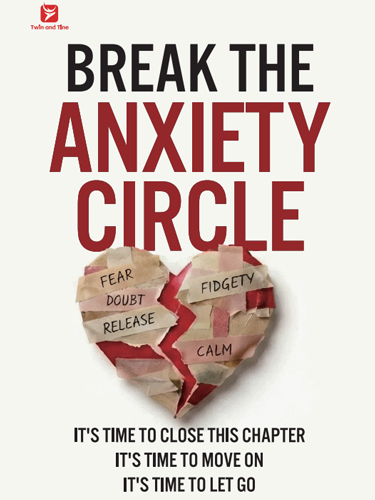
Break the Anxiety Circle
Miles CarterA mental reset for people trapped in the overthinking loop. Understand why your mind won’t stop racing — and how to break free from anxiety, people-pleasing, and emotional exhaustion.
The book connects people pleasing with anxiety, self-worth, emotional reactions, and the difficulty of letting go of other people’s expectations. Rather than treating people pleasing as a simple communication problem, it looks at the mental cycle that can make approval feel so important.
That makes it especially useful when you know you want stronger boundaries but still find yourself worrying about how everyone will react.
You Can Be Kind Without Always Being Available
Stopping people pleasing does not mean becoming cold or self-centered. It means making room for your own needs instead of treating them as less important.
You can help people because you genuinely want to. You can compromise because the relationship matters to you. You can also say no when something does not work for you. Break the Anxiety Circle offers a practical place to start when the bigger challenge is learning to make those choices without letting anxiety make them for you.