When “Good Enough” Never Feels Good Enough
You finish the project, then notice the one thing you could have done better. You send the message, then read it three more times. Even after something goes well, part of your mind is already looking for the flaw.
Perfectionism is not always about wanting excellent results. Sometimes it is the constant feeling that you are still not doing enough. That can turn everyday decisions into long stretches of second-guessing and make rest feel strangely undeserved.
The right book depends on which part of that pattern causes you the most trouble.
Break the Anxiety Circle Looks at the Mental Loop
Break the Anxiety Circle by Miles Carter is a strong starting point when perfectionism is closely tied to overthinking and anxiety.
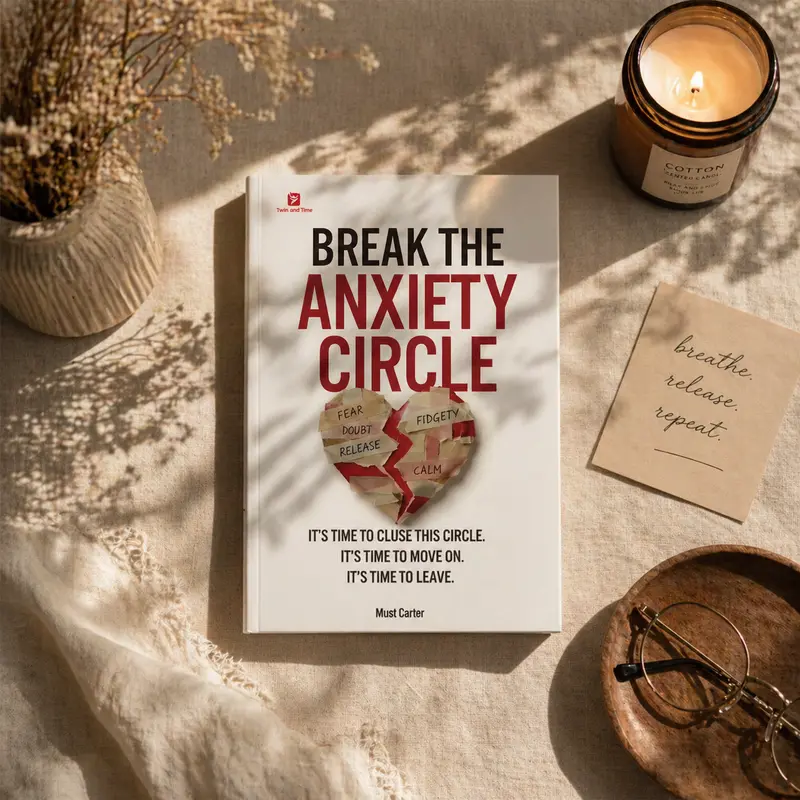
A small mistake can quickly become a much bigger mental event. You replay what happened, imagine what someone might think, compare yourself with other people, and try to find a way to make sure the same thing never happens again.
The book explores patterns such as overthinking, self-worth, perfectionism, emotional regulation, and people pleasing. Those subjects fit together naturally for readers who feel that their high standards have turned into a constant source of mental pressure.
Instead of simply telling you to “stop being a perfectionist,” the book focuses on changing the cycle that keeps those thoughts going.
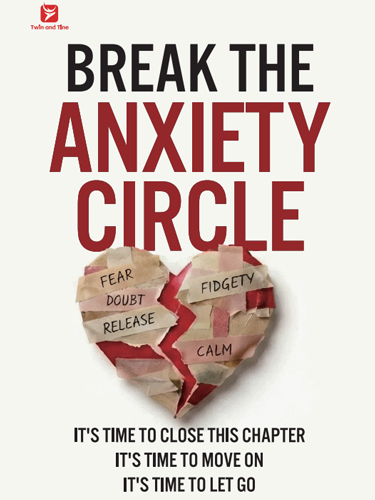
Break the Anxiety Circle
Miles CarterA mental reset for people trapped in the overthinking loop. Understand why your mind won’t stop racing — and how to break free from anxiety, people-pleasing, and emotional exhaustion.
The Gifts of Imperfection Offers a Different Perspective
The Gifts of Imperfection by Brené Brown approaches perfectionism through self-acceptance and the pressure to appear worthy, successful, or in control.
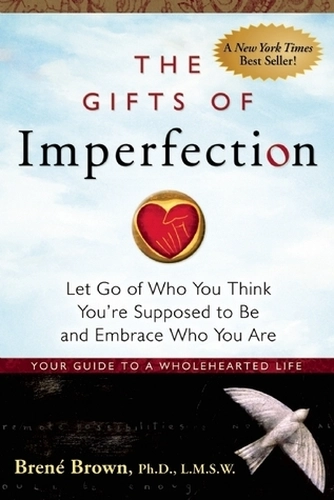
It can be particularly helpful when perfectionism is affecting how you see yourself rather than just how you work. Maybe you are doing objectively well but still feel uncomfortable admitting it because you are already thinking about the next thing you need to improve.
This book encourages a different relationship with imperfection. The goal is not to care less about your life, but to stop making flawless performance a requirement for feeling okay about yourself.
The Same Perfectionism Can Look Very Different
For one person, perfectionism shows up at work. Every email gets rewritten, every assignment takes longer than it should, and finishing something never feels satisfying.
For someone else, it appears in relationships. They worry about saying the wrong thing, try too hard to keep everyone happy, and spend hours replaying conversations afterward.
Someone else may mostly struggle with self-image. They constantly compare themselves with people around them and feel behind even when their life is moving in a perfectly normal direction.
That is why a single definition of perfectionism is not especially useful. The better question is what your perfectionism is actually doing to your life.
Which Book Fits You Best?
Start with Break the Anxiety Circle when perfectionism is feeding overthinking, worry, self-doubt, or the need for constant reassurance.
Choose The Gifts of Imperfection when your biggest struggle is accepting yourself without constantly measuring up to an ideal.
You Don’t Need to Lower Every Standard
There is nothing wrong with caring about your work or wanting to do things well. The problem starts when every mistake feels significant, every decision needs to be perfect, and your self-worth rises and falls with your performance.
For readers whose perfectionism has become tangled up with anxiety and overthinking, Break the Anxiety Circle offers a broader way to look at the problem. Sometimes getting better does not mean becoming less ambitious. It means no longer needing perfection to feel secure.