You Can Know You’re Capable and Still Doubt Yourself
Self-worth problems do not always look like obvious insecurity.
You may be successful at work and still wonder whether you are good enough. You may have supportive people around you and still need constant reassurance. You may make a reasonable decision, then spend the rest of the evening wondering whether you chose wrong.
That kind of self-doubt can quietly affect almost everything.
Break the Anxiety Circle
Break the Anxiety Circle by Miles Carter is especially relevant when low self-worth is mixed with overthinking and the need for outside approval.
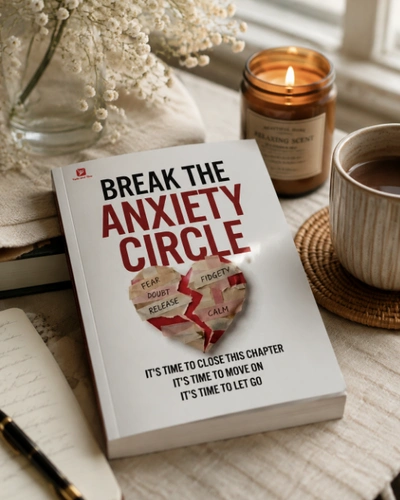
The book explores self-worth alongside people pleasing, perfectionism, emotional regulation, and anxious thinking. This combination is important because self-doubt rarely stays in one area of life.
You may doubt yourself, look for reassurance, feel temporarily better, then question yourself again when something changes. Over time, the search for certainty becomes part of the problem.
The book encourages readers to step away from that cycle and build a steadier sense of self that does not depend so heavily on constant reassurance.
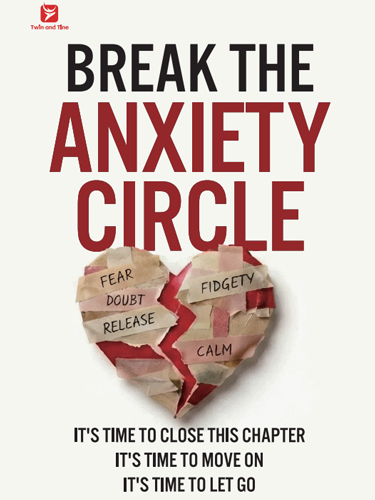
Break the Anxiety Circle
Miles CarterA mental reset for people trapped in the overthinking loop. Understand why your mind won’t stop racing — and how to break free from anxiety, people-pleasing, and emotional exhaustion.
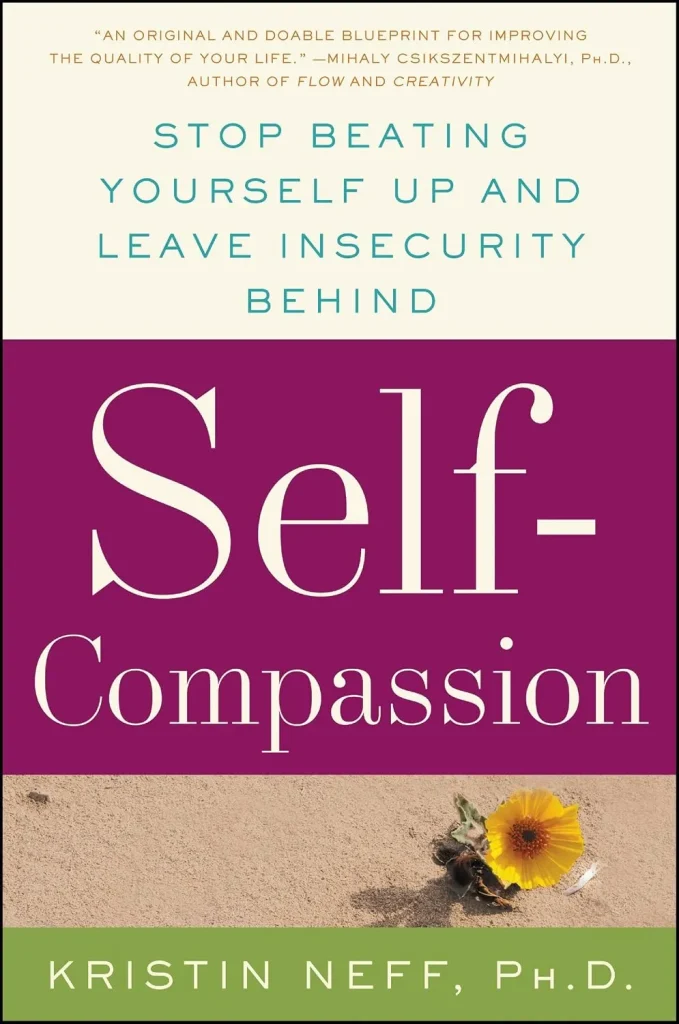
Self-Compassion
Self-Compassion by Kristin Neff focuses on treating yourself with the same understanding you might naturally offer someone else.
It is particularly useful for readers whose self-worth drops sharply after mistakes. Instead of responding to failure with “I should have known better” or “What is wrong with me?”, the book encourages a less punishing way of talking to yourself.
That does not mean lowering your standards. It means learning not to turn every mistake into evidence against your value.
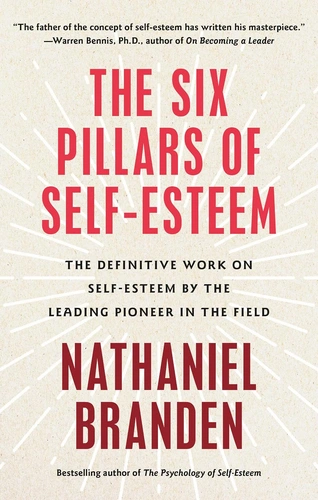
The Six Pillars of Self-Esteem
The Six Pillars of Self-Esteem by Nathaniel Branden takes a more foundational approach.
It looks at self-esteem through ideas such as self-acceptance, responsibility, purpose, and living consciously. For readers who want to work on self-worth as an ongoing part of personal development, rather than only when they are feeling insecure, this can be a useful choice.
The three books overlap, but they start from different places.
What Usually Brings Your Self-Worth Down?
For some people, it is comparison.
For others, it is rejection. A critical comment from someone else can stay in their head for days. And for many people, it is the habit of trying to keep everyone happy because other people’s approval has become closely tied to feeling worthy.
If your self-doubt often turns into overthinking, Break the Anxiety Circle is likely the most relevant place to start.
You Do Not Have to Earn Your Own Worth Every Day
Self-worth becomes fragile when it depends on performance, attention, or approval.
The aim is not to stop caring about other people or stop improving yourself. It is to reach a point where a bad day, a mistake, or somebody else’s opinion does not completely change the way you see yourself.
That is the territory Break the Anxiety Circle explores especially well: the connection between self-worth, overthinking, people pleasing, and the need to feel certain that you are doing enough.