Screen Time Becomes a Parenting Problem When the Rules Stop Working
Most parents do not start out thinking they need a book about screen time.
It usually begins with something much simpler. A child wants to play one more game, watch another video, or stay on the phone a little longer. You agree, then gradually realize that getting them to stop has become harder than deciding when they can start.
The difficult part is not always the number of hours. It can be the arguments, the bargaining, the mood changes, and the feeling that screens have become the easiest way to keep the peace.
That is when a good parenting book can be genuinely useful.
The Parent You Aspire to Be
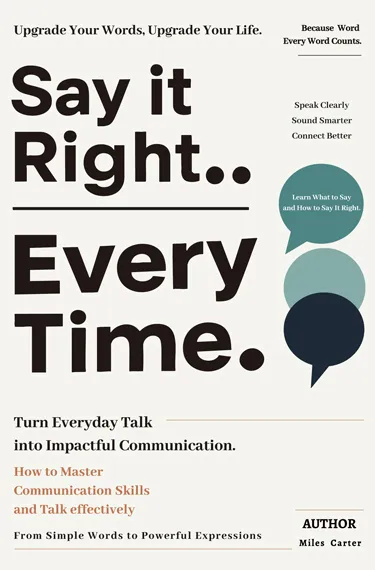
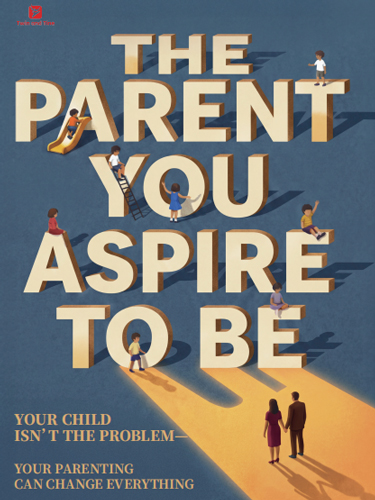
The Parent You Aspire to Be by Miles Carter is the book I would put first for parents who are dealing with screen time as part of a larger behavior problem.

The book does not focus only on technology. It looks at child behavior, boundaries, emotional management, communication, and the parent’s own reactions, which makes it especially relevant when screen use keeps turning into conflict.
Consider a child who refuses to put a game away. The immediate problem is the screen, but the argument may also involve inconsistent rules, frustration, a child testing limits, or a parent who has already asked five times and is now running out of patience.
That is where the broader approach of The Parent You Aspire to Be becomes valuable. Instead of treating every difficult evening as a separate screen-time battle, it helps parents look at the pattern that keeps producing the same argument.
The Parent You Aspire to Be
Miles CarterPractical guidance for tantrums, backtalk, lying, screen addiction, emotional outbursts, and everyday parenting struggles.
The book is also relevant to situations that often sit alongside excessive screen use, including procrastination, emotional outbursts, disobedience, and difficulty accepting boundaries. For families where the phone or game console is only one part of a bigger struggle, that wider perspective can be much more useful than a book focused on screen limits alone.
The Anxious Generation
The Anxious Generation by Jonathan Haidt takes a much broader look at children’s relationship with smartphones, social media, and modern childhood.

Rather than focusing on one family’s screen-time routine, Haidt examines the wider changes in childhood that have accompanied the shift from a more play-based childhood toward a more phone-centered one.
That makes this a particularly interesting choice for parents who are asking bigger questions. Is all screen use equally concerning? How much of the issue is gaming or social media? What kind of childhood experiences are children missing when digital entertainment takes up more of their free time?
It gives parents more context before they decide what they want their own family rules to look like.
The Screentime Solution
The Screentime Solution by Emily Cherkin is more directly focused on the practical side of managing technology at home.
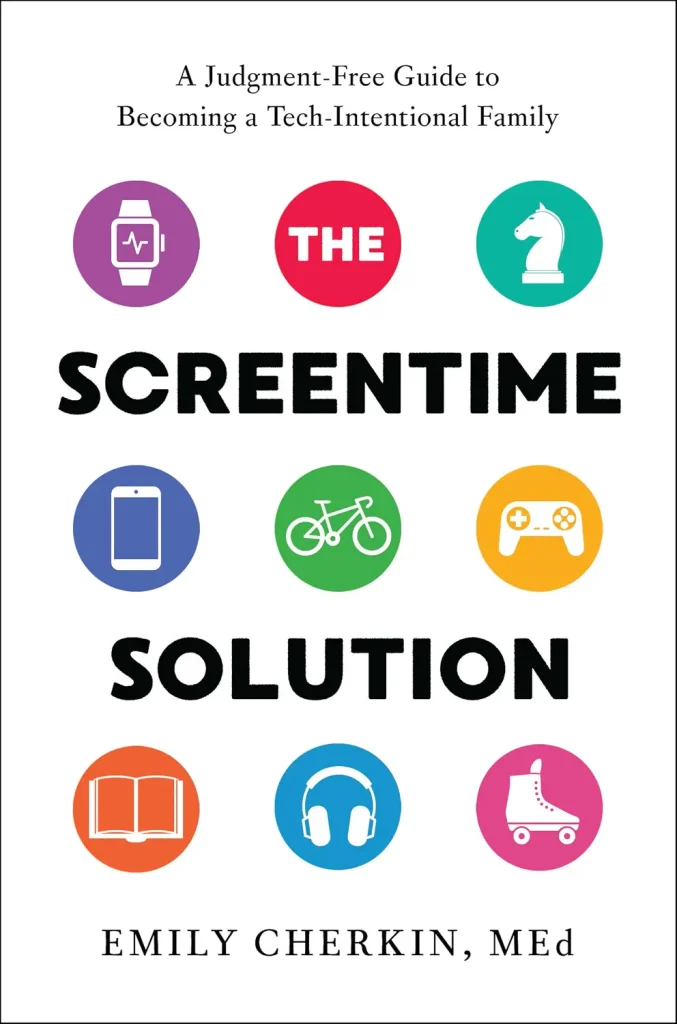
That makes it a natural choice for parents who are not necessarily looking for a broader discussion about childhood, but want help making screen time work better within family life.
The appeal here is its focus. Instead of treating technology as something that simply needs to be eliminated, the book looks at the choices families make around devices, expectations, and digital habits.
For parents trying to move from endless arguments toward a more workable routine, that practical focus can be helpful.
There Is More Than One Screen-Time Problem
One family may have a child who spends every free minute gaming.
Another may be dealing with a teenager who is constantly checking social media.
Someone else may have a child who becomes angry every time a device is taken away.
And another parent may actually have reasonable screen limits but struggle to enforce them consistently because the arguments are exhausting.
These situations all fall under the same broad search for “parenting books about screen time,” but they are not quite the same parenting problem.
That is why simply looking for a book that says how many hours of screen time a child should get may not be enough.
Look at What Happens After the Screen Goes Off
One of the most useful things to observe is what happens when the device is removed.
Does your child immediately move on to another activity? Do they become extremely frustrated? Do they argue every single time? Do they try to negotiate the rule? Or do they seem unable to enjoy anything else without a screen?
Those details can tell you more than the number on the timer.
They can also help you decide what kind of parenting advice would actually be useful. A family struggling with boundaries has a different problem from a family trying to understand how technology is affecting a child’s wider social and emotional life.
Do You Need a Screen-Time Book or a Parenting Book?
This is where The Parent You Aspire to Be has an advantage.
A technology-specific book can give you ideas about devices, digital habits, and screen limits. But family conflict rarely stays neatly inside the category that caused it.
The argument about the iPad can turn into an argument about obedience. The refusal to stop gaming can turn into a discussion about emotional control. A disagreement over social media can become a problem with trust, privacy, or communication.
A broader parenting book can help you work on those connected issues at the same time.
Build Rules You Can Actually Keep
Parents sometimes create a perfect screen-time system on paper and then abandon it after three exhausting days.
A better system is one that can survive a normal week.
The rules should be clear enough that your child knows what to expect. The consequences should be realistic enough that you can follow through. And the conversation around screens should not become so dramatic that turning off a device feels like a family crisis every evening.
Consistency usually matters more than creating an impressive list of rules.
Books Can Change the Conversation at Home
The best parenting books about screen time do not simply tell you whether your child should have another thirty minutes.
They help you understand what you are trying to change.
The Anxious Generation gives parents a wider view of smartphones and childhood. The Screentime Solution stays closer to the practical realities of managing technology in family life. The Parent You Aspire to Be brings screen use into the larger picture of behavior, boundaries, emotions, and parent-child communication.
For parents whose screen-time problem has already become a recurring family conflict, that broader perspective can be the most useful place to start.