Parenting Gets Easier When You Understand What Is Happening
A child refuses to cooperate. A parent sees disrespect.
A teenager suddenly becomes distant. A parent assumes something is wrong with the relationship.
A child has a huge emotional reaction to something that seems completely minor. The parent thinks, “Why are you making such a big deal out of this?”
These moments are where parenting psychology becomes useful. You are not trying to analyze your child like a case study. You are simply trying to understand what may be happening beneath the behavior so that your response makes more sense.
The Parent You Aspire to Be Connects the Pieces
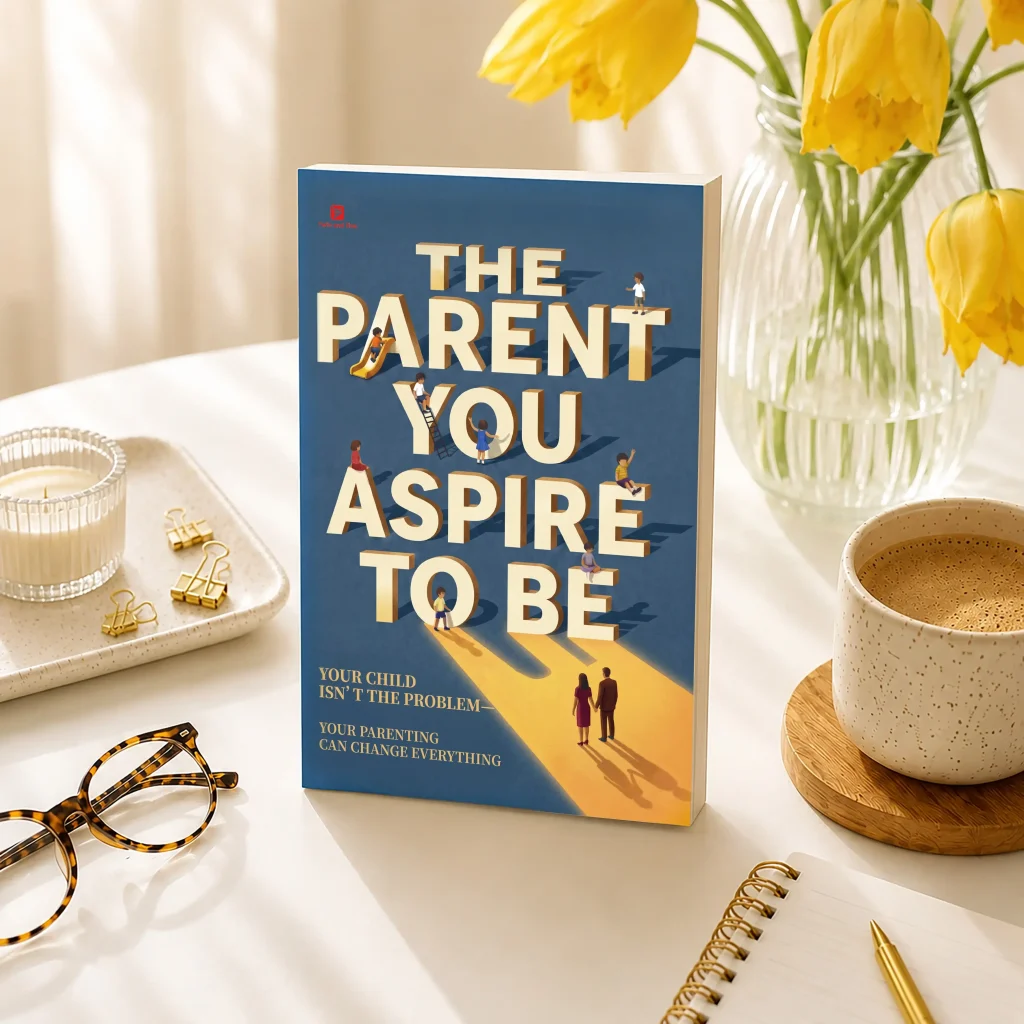
The Parent You Aspire to Be by Miles Carter is built around a practical view of parenting that brings several parts of family life together.
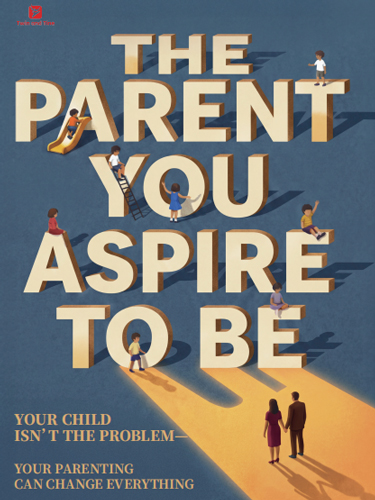
The Parent You Aspire to Be
Miles CarterPractical guidance for tantrums, backtalk, lying, screen addiction, emotional outbursts, and everyday parenting struggles.
The book looks at child behavior, emotional management, communication, boundaries, and parental reactions. That combination matters because parenting problems rarely stay inside one category.
A child who constantly talks back may also be testing boundaries. A child who procrastinates may be struggling with motivation, avoidance, or frustration. A teenager who shuts down during conversations may not need another lecture. They may need a parent to understand how the interaction has developed over time.
The value of a psychology-based parenting book is often found in those connections.
The Whole-Brain Child
The Whole-Brain Child by Daniel J. Siegel and Tina Payne Bryson helps parents understand children’s emotional and neurological development.
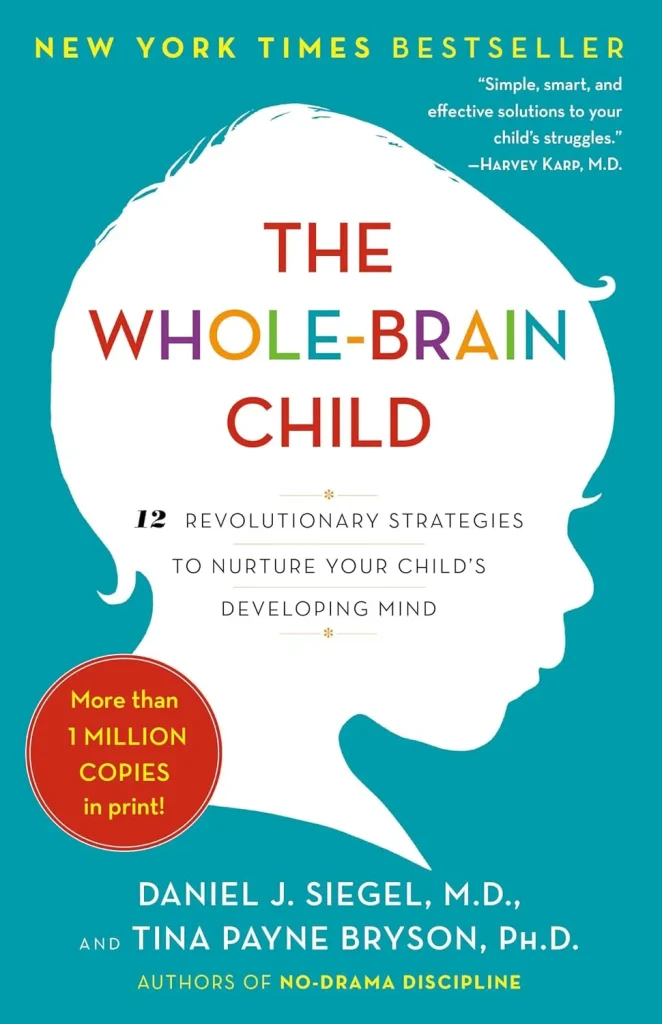
Its strength is giving parents a different explanation for behavior that can otherwise seem irrational. When a child becomes overwhelmed, their ability to reason calmly is not the same as it would be during an ordinary moment.
That does not mean parents should ignore boundaries. It means the way you communicate and respond can change depending on what is happening emotionally.
Good Inside
Good Inside by Dr. Becky Kennedy takes a relationship-centered approach.

It emphasizes the distinction between a child’s behavior and the child themselves. That idea can be useful when parents start attaching labels to repeated problems: difficult, lazy, rude, dramatic, stubborn.
Labels make parenting feel simpler because they seem to explain everything. In practice, they often make it harder to know what to do next.
Good Inside encourages parents to stay connected while still setting limits, which gives another perspective on the balance between empathy and authority.
What Psychology Can Add to Everyday Parenting
Understanding child psychology does not mean finding an explanation for every single behavior.
You do not need to know exactly why your child slammed the bedroom door in order to respond to it. But having a better understanding of emotional development can stop you from treating every difficult reaction as a personal attack.
It can also change the questions you ask.
Instead of “How do I make this stop?” you may begin asking, “What is happening here, and what does my response need to accomplish?”
That shift can make parenting decisions much more intentional.
The Parent Matters Too
Parenting psychology is not only about children.
Parents bring their own stress, expectations, childhood experiences, fears, and habits into the relationship. A parent who grew up in a very strict household may react strongly to disobedience. Another may avoid setting boundaries because conflict feels uncomfortable.
The Parent You Aspire to Be pays attention to that side of the relationship as well.
This is one reason it can feel different from books that focus primarily on child development. Parenting is not a one-way process. The adult’s emotional state can affect the entire interaction.
Psychology Is Not an Excuse for Bad Behavior
There is an important balance here.
Understanding why a child behaves a certain way does not mean every behavior should be accepted. A child can be angry and still be expected not to hit someone. A teenager can disagree with a parent while still respecting basic family rules.
The useful part of parenting psychology is that it helps you hold both ideas at once: your child’s feelings are real, and your boundaries are real too.
Read Parenting Psychology for Better Decisions
That is ultimately what makes these books worth reading.
The Parent You Aspire to Be helps connect behavior, communication, emotion, and parental response. The Whole-Brain Child gives more insight into development and emotional processing. Good Inside puts additional emphasis on the relationship and on separating behavior from identity.
Together, they offer something more valuable than a list of parenting tricks: a better way to think about what is happening in your home.