You’ve had this experience. Someone does something that makes no sense to you. A friend pulls away without explanation. A colleague behaves in a way that seems completely irrational. You try to understand, but the more you think about it, the less it makes sense.
The problem isn’t that people are incomprehensible. It’s that you’re looking at the surface.
Most of what drives human behavior happens below awareness. Hidden emotions, unspoken fears, and signals people send without realizing it. Once you learn to read those signals, people stop being confusing. They become readable.
This article explores three books that help you understand people at a deeper level.
Book 1: How to Read Someone’s Mind by Miles Carter
Understanding people starts with seeing what they don’t say.
Most people listen to words and miss everything else. But words are the least reliable signal. They can be rehearsed, filtered, or used to avoid conflict. The real information lives in the face, the body, and the voice.
This book teaches you to read those signals in real time. A flash of emotion that crosses someone’s face before they can hide it. The way their posture shifts when they’re uncomfortable. The change in their tone when they’re saying something they don’t fully believe. These cues reveal what people are actually feeling, not just what they’re telling you.
What makes this book essential is its focus on observation. Before you can understand why someone behaves the way they do, you need to see what’s actually happening. And most of what’s happening is nonverbal.
Once you learn to read people this way, you stop being confused by mixed signals. You start seeing what’s really there.
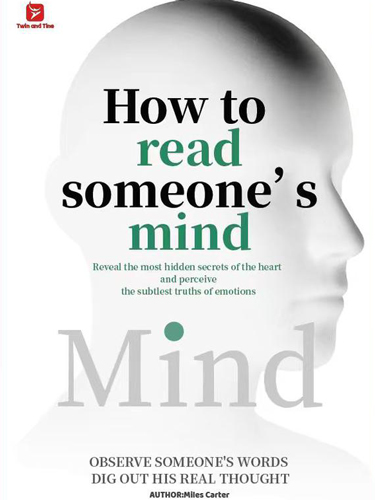
How to Read Someone’s Mind
Miles CarterPractical tools for reading body language, tone, and hidden intentions in real time. Spot what people aren’t saying — before you trust the wrong person.
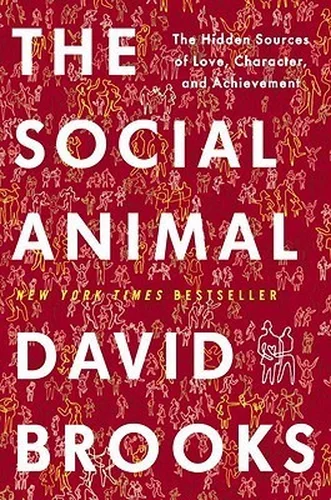
Book 2: The Social Animal by Elliot Aronson
This book explains how social situations shape behavior in ways we don’t notice.
You act differently at work than you do with close friends. You are more patient with strangers than with family. These aren’t contradictions. They’re predictable responses to social context.
Aronson shows you why people conform, why they obey authority, and why they change their opinions to match the group. Understanding these forces helps you make sense of behavior that seems inconsistent.
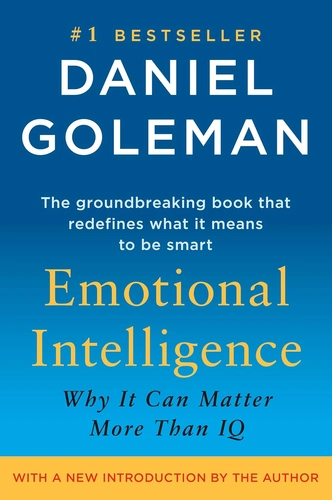
Book 3: Emotional Intelligence by Daniel Goleman
This book explains why understanding people starts with understanding emotions.
Goleman shows that emotional intelligence matters more than IQ for success and relationships. But it’s not just about managing your own emotions. It’s about recognizing emotions in others, even when they’re trying to hide them.
You’ll learn why people react the way they do under pressure, why some people seem emotionally distant, and how to respond with empathy instead of frustration.
Putting It All Together
You’ve been trying to understand people by listening to what they say. But the real information is in their faces, their bodies, and their voices. That’s what How to Read Someone’s Mind gives you. The ability to see what’s actually happening in front of you.
The Social Animal shows you how situations shape behavior. Emotional Intelligence helps you understand the emotions beneath the surface. But neither matters if you can’t see the signals in the first place.
Understanding people isn’t a mystery. It’s a skill. And it starts with learning to observe what you’ve been missing.