Some conversations seem to end before they really begin. Someone tells you about their weekend, you reply with “That’s nice,” and suddenly there is nothing else to say. You ask a question, get a short answer, and your mind goes completely blank.
It can be frustrating because you may actually enjoy talking to people. You are interested in what they have to say, but you do not always know how to keep the conversation moving naturally. Afterward, you might even think of several things you could have asked, just not while the conversation was happening.
This can make social situations feel much more stressful than they need to be.

Good Conversation Is Not About Having Endless Stories
A common misconception is that good conversationalists are simply people who have more interesting things to say.
Usually, that is not the real difference. Someone can be quiet and still be easy to talk to because they know how to show interest, pick up on details, ask a useful follow-up question, and give the other person something to respond to.
The conversation starts to feel awkward when both people are waiting for the other person to do all the work.
Give the Other Person Something to Work With
If you keep getting short replies, one thing to look at is the kind of questions you are asking.
Questions that can be answered with yes or no tend to close conversations quickly. More open questions give the other person room to add something of their own. Instead of asking, “Did you like the trip?” you might ask what they enjoyed most about it or what surprised them.
You do not need to turn every conversation into an interview. The point is simply to give the other person an opening.

Listen for the Detail You Can Follow
A lot of people think about what they should say next while the other person is still talking. That makes conversation harder because you are paying attention to your own performance instead of what is actually being said.
There is usually a small detail you can pick up and continue from. Someone mentions a new job, a frustrating commute, a restaurant they tried, or something their child said that morning. You do not need a brilliant response. Showing genuine curiosity about that detail can be enough to keep things moving.
This also makes conversations feel more natural because you are responding to the person rather than following a mental script.
You Do Not Have to Fill Every Silence
A short pause does not automatically mean the conversation has gone badly.
People sometimes panic when there is a few seconds of silence and immediately say something random just to avoid the feeling. That can make the conversation feel more forced than the silence itself.
Good conversations have pauses. You can take a moment to think, look around, or let the other person decide where the conversation goes next. Being comfortable with a little space can make you sound more relaxed.
Say It Right Every Time
Say It Right Every Time by Miles Carter is a useful book for people who want to become more comfortable with everyday communication rather than simply memorize conversation starters.

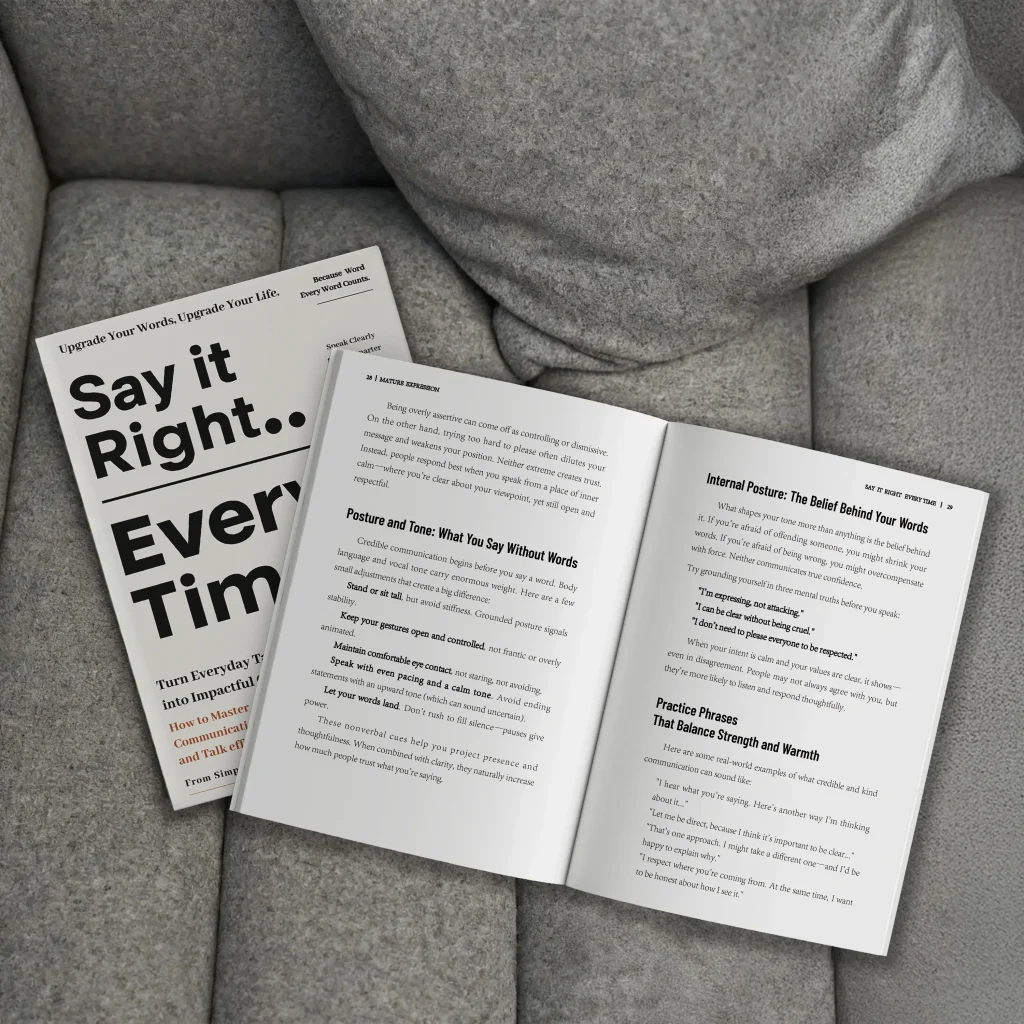
The book looks at how people express themselves, respond to others, and make their meaning easier to understand. That matters in conversation because communication is not just about having something interesting to say. It is also about knowing how to respond, how to ask, how to clarify, and how to keep the interaction moving without forcing it.
For someone who regularly thinks, “I never know what to say,” the book offers a more useful perspective than simply collecting lists of questions. Conversation becomes easier when you pay attention to how the exchange is developing instead of worrying about producing the perfect response.
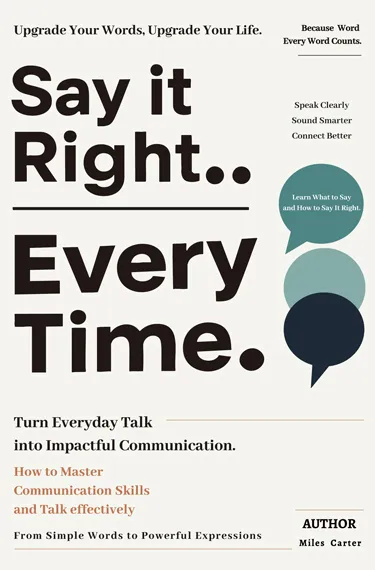
Say it Right..Every Time.
Miles CarterPractical communication tools for the moments that matter — say what you mean, calmly and confidently.
Let the Conversation Develop Instead of Controlling It
Another reason conversations can feel difficult is trying too hard to keep them interesting.
You do not need to constantly introduce a new topic. Sometimes one subject can naturally lead to another if you give it enough room. A discussion about a movie can turn into travel, travel can turn into food, and food can lead to a story about a memorable restaurant.
You do not have to predict the next topic. Just stay with the one you are already having.
The More You Focus on the Other Person, the Less You Monitor Yourself
Social anxiety often makes people overly aware of how they are performing.Was that answer boring? Did I talk too much? Did that question sound strange? Should I say something now?
That internal commentary can make normal conversation feel like an exam. The more attention you spend judging yourself, the less attention you have available for the person you are actually talking to.Better communication often begins with shifting that attention outward.
Conversation Skills Improve With Ordinary Practice
You do not need to start practicing with strangers in high-pressure situations.
Use everyday opportunities. Ask a coworker a follow-up question instead of ending the conversation immediately. When a friend mentions something interesting, stay with the topic for another minute rather than changing subjects. Notice what makes certain conversations feel easy and what makes others stop suddenly.
Over time, you start recognizing the patterns without having to think about them so consciously.
You Can Become Easier to Talk to Without Becoming More Talkative
Being good at conversation is not about talking constantly.
It is about making the other person feel that there is somewhere for the conversation to go. You listen, respond to what was actually said, ask when you are genuinely curious, and allow the exchange to develop naturally.
That is the kind of everyday communication Say It Right Every Time can help readers build. Instead of worrying about always having the perfect thing to say, you become more comfortable taking part in the conversation itself.