When Other People’s Opinions Follow You Everywhere
Someone makes a comment about you and you keep thinking about it. A friend does not seem enthusiastic about your decision, so you start questioning whether it was the right one. You post something online and then check the reaction more times than you would like to admit.
It can feel as though you are constantly being watched, even when nobody is actually paying that much attention.
The difficult part is not necessarily that you care what people think. Most people do. The problem is when other people’s reactions begin to influence your choices, your mood, and your confidence more than your own judgment does.

You Can End Up Living by Other People’s Expectations
Maybe you choose the safer option because you know people will approve of it. Maybe you keep quiet because you do not want someone to disagree with you. Maybe you say yes to something you do not really want because disappointing the other person feels worse than disappointing yourself.
These choices can seem harmless in isolation. Over time, though, you can lose track of what you actually want because so much of your decision-making is built around avoiding other people’s reactions.
That is when letting go becomes important.

Letting Go Does Not Mean Becoming Indifferent
You do not need to stop caring about friends, family, coworkers, or anyone else.
The healthier goal is being able to hear an opinion without automatically treating it as a verdict. Someone can disagree with your decision and you can still believe it was right for you. Someone can dislike something you said without that becoming proof that you handled the entire situation badly.
That kind of emotional distance is difficult when you have spent a long time looking outward for reassurance.
Break the Anxiety Circle Connects Approval With Anxiety
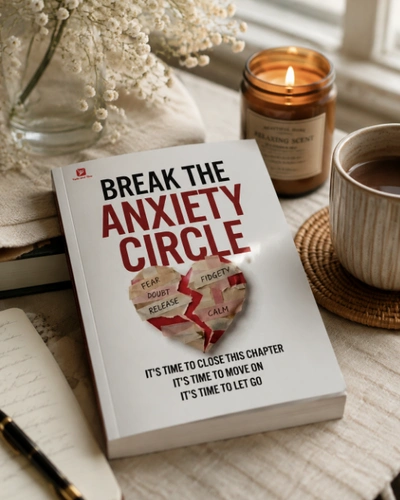
Break the Anxiety Circle by Miles Carter is particularly relevant because the pressure to be liked often feeds directly into anxious thinking.
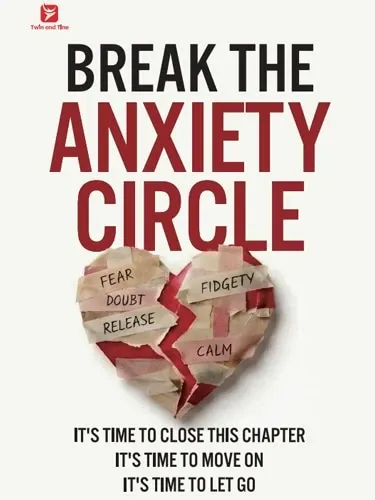
You worry about what someone thinks, replay the interaction, look for signs that everything is okay, and temporarily relax when you find reassurance. Then another situation happens and the same process begins again.
The book explores people pleasing alongside self-worth, boundaries, emotional regulation, and overthinking. That makes it useful for readers who recognize that their concern about other people’s opinions is not simply a social habit; it has become a recurring source of mental pressure.
Ask Yourself What You Would Choose Without the Audience
A useful exercise is to remove the imagined audience for a moment.
What would you choose if nobody were going to judge the decision? What would you say if you knew the other person might disagree? Would you still want the same thing if there were no chance of getting praise for it?
You may not always choose the same answer. That is okay. The point is discovering how much of your life is being shaped by your own preferences and how much is being shaped by anticipated reactions.

Boundaries Make This Easier
Letting go of other people’s opinions becomes much harder when you feel responsible for keeping everyone comfortable.
You start explaining every decision, apologizing for ordinary choices, or changing your plans because someone else seems unhappy. This is where boundaries become important. You can care about another person’s feelings without taking complete responsibility for them.
Break the Anxiety Circle gives readers space to examine that relationship between approval, boundaries, and self-worth. As you become clearer about what is yours to carry and what belongs to someone else, the pressure can begin to ease.
You May Still Feel Uncomfortable
There is no point pretending that letting go means you will suddenly stop caring.
Someone may still criticize you. You may still feel nervous before making a decision that others might question. You may still catch yourself checking whether people approve.
The difference is what you do next.
Instead of immediately changing course to get rid of the discomfort, you can pause and decide whether the feedback actually needs to change your decision. That is where self-trust starts to grow.
What Reading the Book Can Help You See
One of the most useful changes is becoming aware of how often you seek approval without realizing it. You may notice how quickly a facial expression affects your mood, how often you ask for reassurance, or how frequently you change your behavior to avoid being judged.
Once those patterns are visible, they become much easier to interrupt.
Break the Anxiety Circle can also help you connect the dots between external approval and the thoughts that follow it. You may realize that the real problem is not one person’s opinion. It is the amount of mental space you give that opinion afterward.
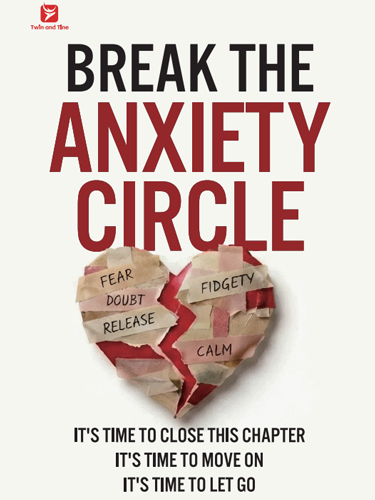
Break the Anxiety Circle
Miles CarterA mental reset for people trapped in the overthinking loop. Understand why your mind won’t stop racing — and how to break free from anxiety, people-pleasing, and emotional exhaustion.
You Are Allowed to Be Disappointing Sometimes
Being a considerate person does not mean being universally liked.
Some people will disagree with you. Some will not understand your choices. Some may simply prefer that you behave differently because it would be more convenient for them.
Learning to tolerate that does not make you selfish. It gives you the freedom to make decisions based on your own values instead of constantly trying to manage everyone else’s reactions.

For readers looking for a book about letting go of what others think, Break the Anxiety Circle offers a practical way to work on that shift. The goal is not to stop caring about people. It is to care without handing them control over your peace of mind.