You talk to people every day. But how much are you actually noticing?
Someone says they are fine, but their jaw is tight. A coworker agrees with you in the meeting, but their arms are crossed. A friend smiles, but the smile does not reach their eyes. You sense something is off. You just cannot explain why.
Most of us miss these signals. We focus on words. We take people at face value. Then we get surprised when someone shows their true colors. We wonder how we did not see it coming.
The truth is, people tell us who they are all the time. Not in words. In tone. In posture. In the small things they do when they think no one is watching.
Quick answer: How do I understand what people are really thinking and feeling?
You stop only listening to words, start watching body language and tone, look for patterns over time, and trust your gut when something feels off.
Here are three books to understand people better. One teaches you to read body language, tone, and hidden intentions in real time. One shows you how to recognize what kind of conversation you are actually having. One teaches you to analyze people through the language they use.
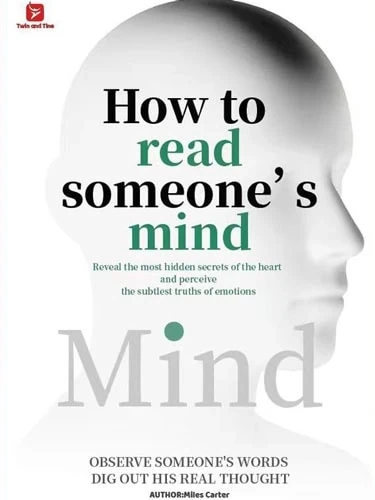
How to Read Someone’s Mind
Practical tools for reading body language, tone, and hidden intentions in real time.
This book by Miles Carter is a practical guide to reading people. Not in a mystical way. In a real way. Through nonverbal cues you can actually see.
The book covers facial expressions, eye contact, gestures, posture, and vocal tone. It explains the psychological codes behind small details. Eyebrows. Sitting posture. Hand gestures. Even drinking habits and clothing choices.
You learn to recognize physical reactions to emotions like anger, jealousy, and anxiety. You learn behavioral patterns of different personality types. The gossiper. The over-cautious person. The dominant personality. The emotionally immature.
What makes this book useful is the concrete examples. Carter does not just tell you that crossed arms mean defensiveness. He shows you how to read the whole picture. Context matters. Patterns matter. One signal alone means nothing.
Whether you are in a daily conversation, a workplace meeting, or a romantic relationship, this book gives you tools to sharpen your people-reading skills, avoid interpersonal risks, and build stronger connections.
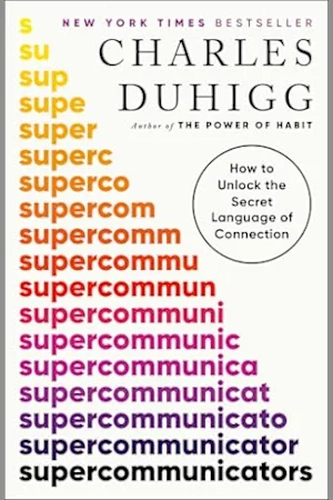
Supercommunicators
How to unlock the secret language of connection.
Charles Duhigg wrote this book to answer one question. What makes some people so good at connecting with others?
His answer is simple. Every conversation is actually three conversations at once. There is the practical conversation, about facts and solving problems. There is the emotional conversation, about feelings. And there is the social conversation, about identity and how we see ourselves.
The problem is most people do not recognize which conversation they are having. So they respond to a practical question when the other person needs emotional support. Or they offer solutions when the other person just wants to be heard. That mismatch causes most misunderstandings.
Duhigg shows you how to identify the type of conversation happening and match it. He tells stories that make the research stick. A jury room where one person leads a divided group to consensus. A CIA officer recruiting a foreign agent. A surgeon trying to convince a patient to choose the less risky treatment.
The book teaches you to hear what is really being said, not just the words. It gives you practical tools to connect with almost anyone.
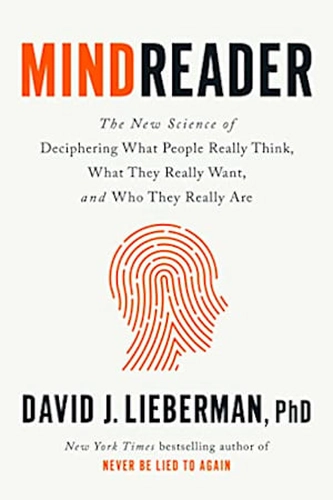
Mindreader
The ability to analyze people through their use of language.
David J. Lieberman is an FBI consultant and psychotherapist. He wrote this book to teach you psycholinguistics. That is a fancy word for analyzing people through the words they use.
Can you tell when someone is lying? Lieberman says you can. Not by watching their eyes or their hands. By listening to how they talk. The words they choose. The way they structure sentences. The things they avoid saying.
This book applies to verbal language and written communication. Texts. Emails. Social media posts. Once you learn the patterns, you cannot unsee them.
What I like about this book is how practical it is. Lieberman gives you specific phrases to listen for. Specific patterns that reveal deception, insecurity, or hidden motives. It is like having a decoder ring for human speech.
For anyone who wants to understand what people are really saying beneath the words.
Which Book Should You Read First?
If you want to read body language and nonverbal cues, start with How to Read Someone’s Mind. It gives you the most direct tools for real-time observation.
If you want to understand why conversations go wrong and how to fix them, pick up Supercommunicators. It helps you see the three layers in every chat.
If you want to analyze what people say and how they say it, go with Mindreader. It teaches you to decode language patterns.
Many people read all three. Each one offers something the others do not.
Final Thought
Understanding people is not about becoming a mind reader. It is about paying attention. To what people say. To what they do not say. To the small signals they send without realizing it.
You will still get surprised sometimes. People are complicated. But you will be surprised less often. And when you do get surprised, you will understand why.
Start with one book. Try one technique. See what happens.
Frequently Asked Questions
Can you really learn to read people?
Yes. It is a skill, not a talent. With practice, anyone can get better at noticing nonverbal cues and behavioral patterns.
Is this about manipulation?
No. It is about understanding. When you understand what people are really feeling and thinking, you can respond better. You can build stronger connections. You can avoid people who are not good for you.
Which book is best for workplace situations?
How to Read Someone’s Mind has specific sections on workplace interactions. Supercommunicators helps with team dynamics and difficult conversations.
How long does it take to get better at this?
Some people notice a difference after one chapter. Others take weeks of practice. The key is to pay attention and use what you learn.

