You’ve tried to fix it. You’ve read the articles, watched the videos, maybe even made a budget or two. But the problems keep coming back. The anxiety before payday. The guilt after spending. The feeling that no matter how much you earn, it’s never enough.
Money problems aren’t always about money. They’re about the patterns underneath. The beliefs you absorbed before you ever earned a dollar. The emotional triggers that make you spend when you’re stressed. The system you’re running that was never designed to let you keep what you earn.
This article explores three books that address money problems at the root.
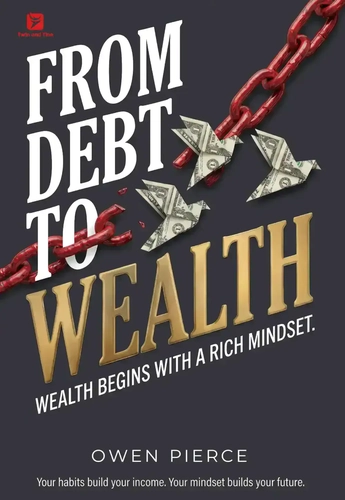
Book 1: From Debt to Wealth by Owen Pierce
You can’t fix a money problem you don’t understand.
Most financial advice treats money problems as math problems. Earn more, spend less, budget better. Simple. Except it doesn’t work. Because the problem isn’t the math. It’s the beliefs and behaviors driving the math.
This book explains why raises never solve anything. Why cutting small expenses doesn’t fix the bigger issue. Why you can know exactly what to do and still not do it. You’ll learn why the system you’re running keeps you stuck, and how to replace it with one that actually works.
The book also addresses the emotional side of money problems. The shame. The avoidance. The quiet belief that you’re just bad with money. These aren’t character flaws. They’re patterns you inherited. And once you see them clearly, you can change them.
Understanding why you’re stuck is the first step to getting unstuck.
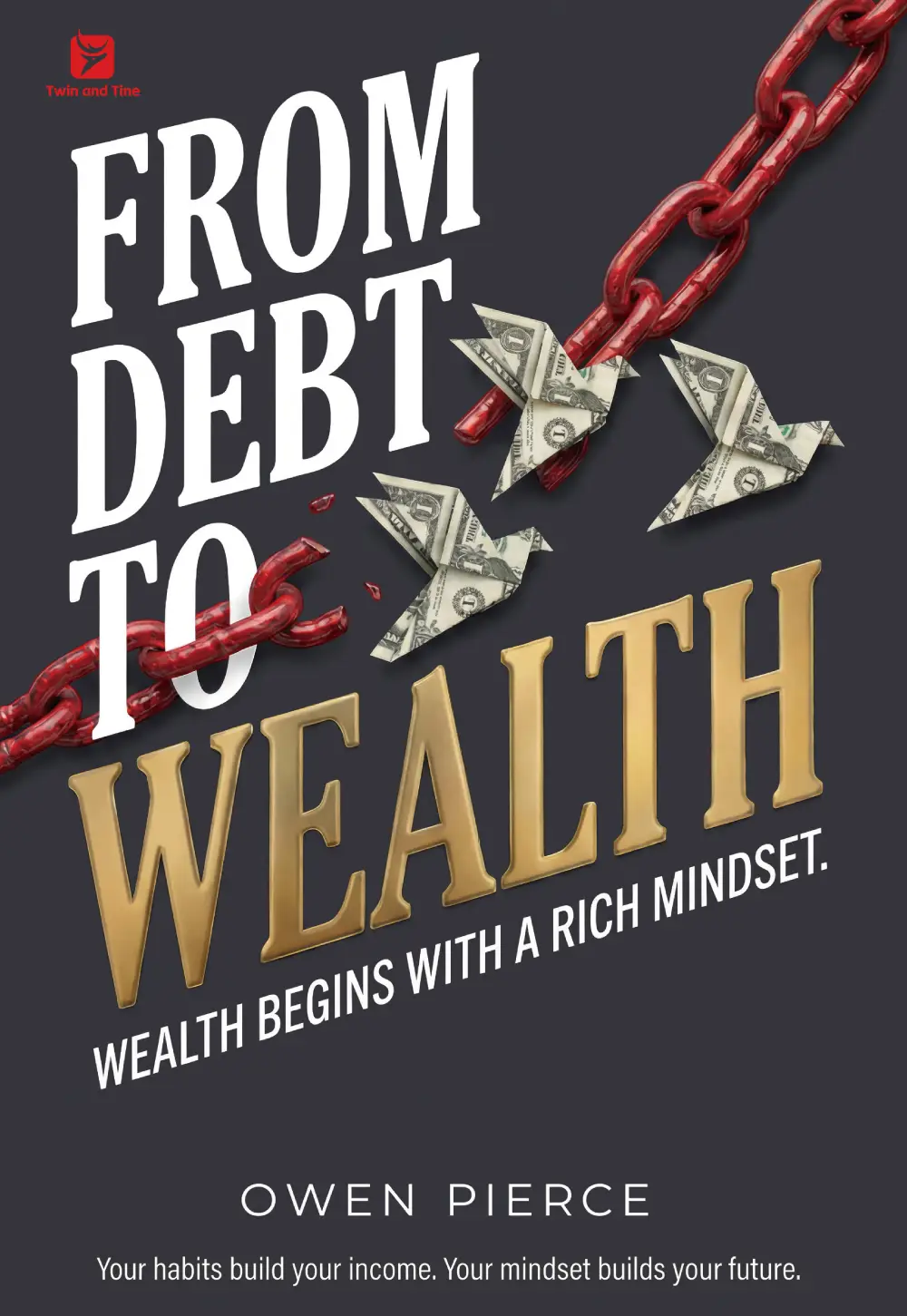
From Debt to Wealth
Owen PierceA money framework for people stuck in the paycheck-to-paycheck cycle. Understand why your income never feels like enough — and how to break out.
Book 2: Your Money or Your Life by Vicki Robin and Joe Dominguez
This book reframes the entire question of money problems.
Robin and Dominguez argue that money problems start when you don’t know what you’re really trading for it. You trade your time, your energy, your life. When you see money as life energy, every purchase becomes a decision about how you want to spend your life.
The book gives you a step-by-step method to track where your money goes, calculate your real hourly wage, and evaluate every expense against the life it cost you. It’s not about deprivation. It’s about clarity. Once you see what you’re really trading, spending decisions become easier and less emotional.
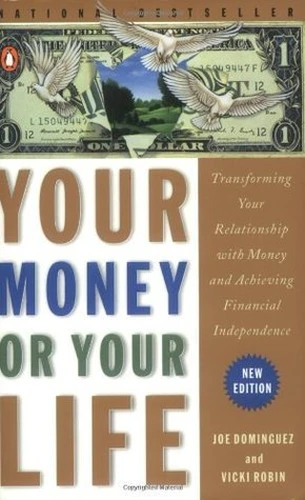
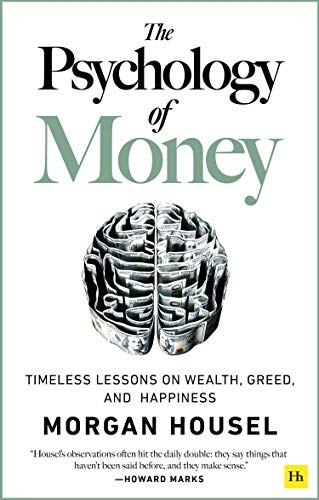
Book 3: The Psychology of Money by Morgan Housel
This book explains why smart people make bad money decisions.
Housel argues that financial success isn’t about knowledge. It’s about behavior. You can understand compound interest perfectly and still make terrible choices. Because money decisions are emotional, not rational.
You’ll learn how your personal history shapes your financial fears and impulses. Why someone who grew up poor spends differently than someone who grew up wealthy. Why you chase short-term comfort and ignore long-term consequences. Understanding these patterns is the first step to changing them.
Putting It All Together
Your Money or Your Life helps you see what you’re really trading for money. The Psychology of Money explains why you make the decisions you make. But From Debt to Wealth is where it begins. Because until you change the system underneath your money problems, the problems will keep coming back.
Money problems don’t disappear because you read a book. They change because you understand what’s driving them. The shame, the avoidance, the patterns you never questioned. Once you see those clearly, the problems stop feeling permanent.
The next time payday comes, you’ll have a choice. You can do what you’ve always done. Or you can do something different. That choice starts with understanding why you’ve been stuck.
From Debt to Wealth. Available from Twin & Tine.