What to Do When Your Child Won’t Tell the Truth
Your child looks you straight in the eye and lies. About something small. Something obvious. You saw them do it. They know you saw them do it. And they still deny it.
Your first instinct is to punish. To make sure they understand lying is wrong. But then you wonder. Is punishment actually teaching honesty? Or is it just teaching them to lie better next time?
Here is the truth. Kids do not lie because they are bad. They lie because they are scared. Scared of getting in trouble. Scared of disappointing you. Scared of feeling shame. The lie is a shield. Your job is not to break the shield. It is to make them feel safe enough to put it down.
Quick answer: How do I get my child to stop lying and start telling the truth?
You stay calm, focus on the reason behind the lie, avoid shaming them, and make honesty feel safer than hiding.
Here are three books that help with lying and the bigger struggles behind it. One gives you practical scripts for backtalk, lying, and everyday battles. One helps you communicate with young kids in ways they actually understand. One teaches you how to feed your child well without creating food battles or body shame.
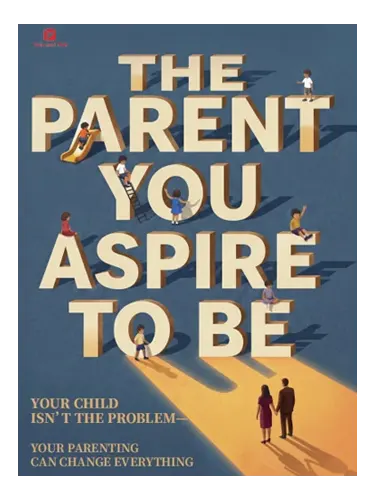
The Parent You Aspire to Be
The problem is not that your child won’t listen. It’s that the same fight keeps repeating.
This book by Miles Carter is built for the moments that make you want to pull your hair out. The tantrum in aisle three. The backtalk at dinner. The lie about homework that you both know is a lie.
What you will learn:
- Why children lie, act out, and disobey, and what they are really trying to communicate
- Side-by-side comparisons of effective vs. ineffective communication, so you know exactly what to say
- How to set gentle but firm boundaries without shaming your child
- How to handle your own emotions as a parent, so you stop reacting and start responding
- Practical scripts for lying, backtalk, screen addiction, school refusal, picky eating, and tantrums
The book covers seven big areas. Behavior correction, emotional management, personality psychology, parent-child communication, and parental emotional regulation. It uses a clear structure. Wrong approaches. Correct demonstrations. Practical steps.
For any parent who is tired of yelling and ready to try something different.
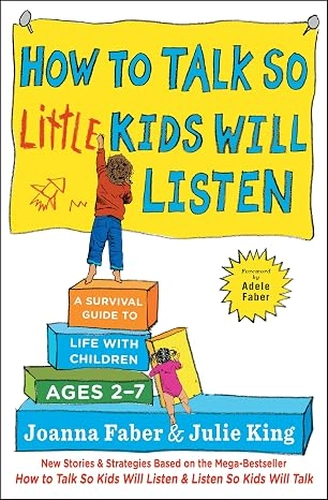
How to Talk So Little Kids Will Listen
A survival guide to life with children ages 2 to 7.
Joanna Faber and Julie King wrote this book for parents of young kids. It is based on the classic How to Talk series, adapted for ages two to seven.
What you will learn:
- How to handle a child who won’t brush her teeth, screams in the car seat, or refuses to eat vegetables
- Concrete tools and tips that transform your relationship with your child
- How to address lying in ways little kids can actually understand
- Strategies for children with sensory processing issues and autism spectrum disorders
- How to help little kids grow into self-reliant big kids who cooperate and connect
The book is organized by common challenges. It uses storytelling, cartoons, and real workshop observations. It is practical and easy to use. When your child lies at this age, it is often about imagination or fear. This book helps you respond in ways that build trust instead of distance.
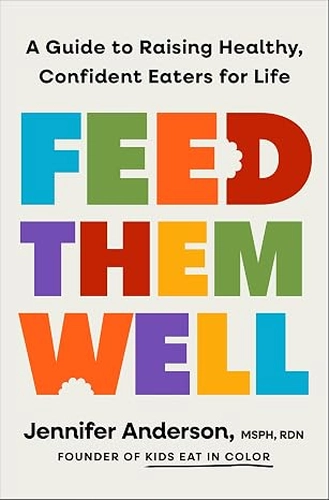
Feed Them Well
A guide to raising healthy, confident eaters for life.
Jennifer Anderson is a registered dietitian and founder of Kids Eat in Color. She wrote this book for parents who want to feed their kids well without creating battles, guilt, or body shame.
What you will learn:
- How to talk about food without planting the seeds of diet culture
- How to handle sugar, snacks, treats, and dessert in ways that actually work
- What to do when your child refuses vegetables or gags on textures
- How to navigate weight conversations when doctors, family, or other kids bring it up
- The exact words, scripts, and tools to navigate feeding without judgment or perfection
This might seem unrelated to lying. But here is the connection. When kids feel shamed or controlled around food, they learn to hide. They sneak snacks. They lie about what they ate. This book helps you build a feeding relationship based on trust instead of secrecy.
It is not another recipe book. It teaches you how to think about feeding your kids so every decision feels like a plan, not a guess.
Which Book Should You Read First?
If you are dealing with lying, backtalk, and daily power struggles, start with The Parent You Aspire to Be. It gives you scripts and strategies for the moments that matter.
If your child is between two and seven and you need age-appropriate tools, pick up How to Talk So Little Kids Will Listen. It helps you communicate in ways little kids understand.
If food battles or body image concerns are part of the picture, go with Feed Them Well. It helps you build trust around food and eating.
Final Thought
Lying is not the real problem. Fear is. When your child lies, they are telling you they do not feel safe enough to tell the truth. Your job is not to catch them. It is to create an environment where honesty feels safer than hiding.
That takes time. It takes patience. And it takes you managing your own reactions first.
Start with one book. Try one technique. See what happens.
Frequently Asked Questions
Why does my child lie even when the truth is obvious?
Because the lie is not about the facts. It is about avoiding shame, punishment, or disappointment. Address the fear, not just the lie.
Should I punish my child for lying?
Punishment often makes lying worse. It teaches kids to lie better. Focus on creating safety for honesty instead.
What if my child lies about food or eating?
That often comes from shame or control around food. Feed Them Well helps you rebuild trust and remove the secrecy.
Which book is best for young kids who lie?
How to Talk So Little Kids Will Listen is best for ages two to seven. It gives you language little kids can actually understand.

