You know what you’re doing. That’s the frustrating part. You know the late-night purchases aren’t making you happy. You know the subscriptions are bleeding you dry. You know the “I deserve this” moment will turn into “why did I buy this” by morning. And yet you keep doing it.
Knowing isn’t the problem. The problem is that the habit runs deeper than the knowledge.
This article is not about understanding why bad money habits exist. It’s about the harder question: how do you actually break them? These three books address the mechanics of change.
Book 1: From Debt to Wealth by Owen Pierce
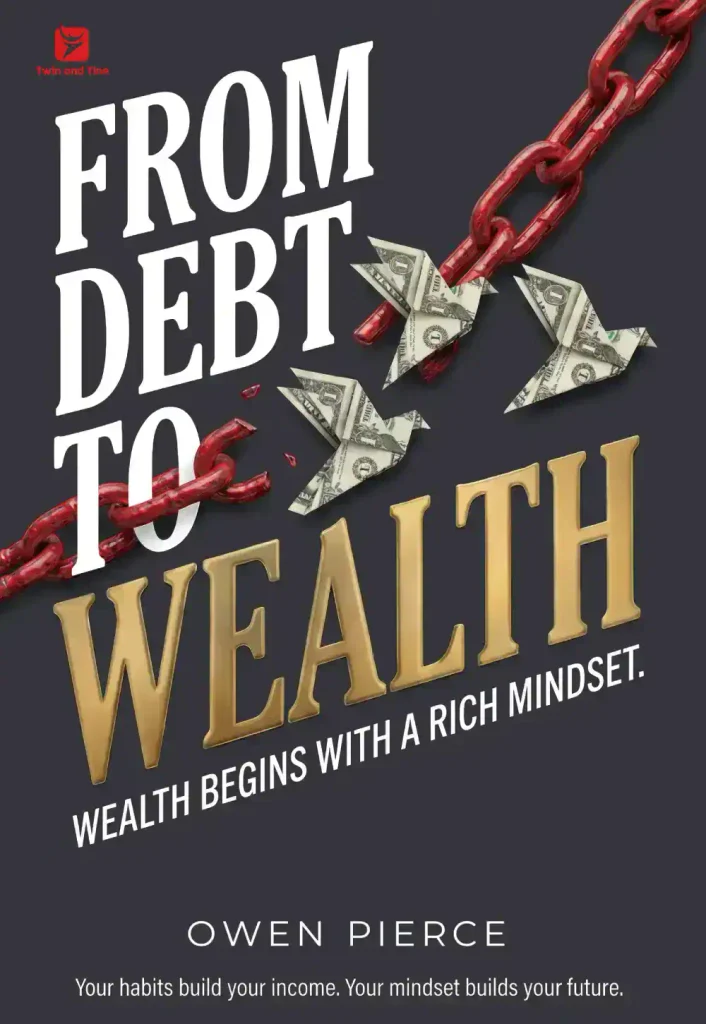
You can’t break a habit you’re still feeding.
Most habit advice focuses on stopping the behavior. Don’t buy this. Don’t spend on that. But these approaches fail because they ignore the system the habit lives in. Your spending isn’t random. It’s the predictable output of a financial structure that was never designed to hold onto money.
This book changes the structure itself.
It explains why willpower fails, why earning more never fixes the problem, and why the habits keep returning no matter how many budgets you make. You’ll learn why the poor seek comfort and the rich embrace discomfort, why good things must be seized rather than waited for, and why your paycheck is not the safety you think it is.
Once the system changes, the habits lose their fuel. You’re not fighting the behavior anymore. You’re removing the conditions that created it.

From Debt to Wealth
Owen PierceYour paycheck comes in. The bills go out. And somehow, you’re back at zero again.
Learn why earning more does not always create financial progress—and what has to change before your money starts working differently.
Book 2: Tiny Habits by BJ Fogg
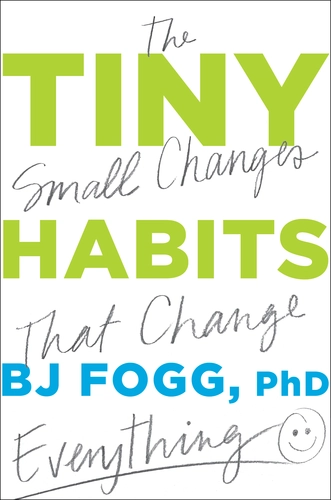
This book explains why big changes fail and small ones succeed.
Fogg, a behavior scientist at Stanford, shows that lasting change doesn’t come from motivation or willpower. It comes from designing tiny behaviors that fit into your existing routines. You don’t decide to stop spending. You create a new pattern so small it feels almost effortless.
You’ll learn how to anchor new behaviors to existing habits, how to celebrate small wins so your brain wants to repeat them, and how to stop relying on discipline. It’s the opposite of the “just try harder” approach. And it works.
Book 3: The Craving Mind by Judson Brewer
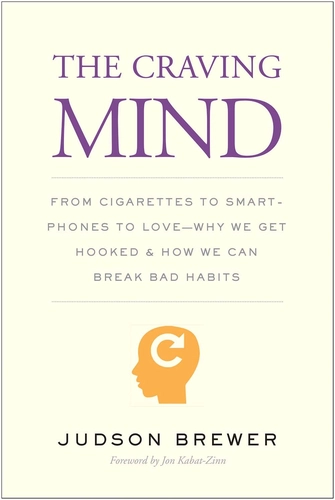
This book explains the loop behind every bad habit, including spending.
Brewer, a psychiatrist and neuroscientist, shows that habits aren’t broken by resisting them. They’re broken by understanding the reward they deliver. You don’t spend because you’re weak. You spend because your brain has learned that spending provides relief. The habit continues because the relief feels real.
You’ll learn how to observe the craving without acting on it, how to see the reward for what it actually is, and how to break the loop by changing your relationship to the urge itself. It’s mindfulness applied specifically to habit change.
What Actually Breaks a Habit
You’ve tried to stop. You’ve tried to be better. And the habit came back. Not because you failed, but because you were fighting the behavior without changing the conditions that produced it.
Tiny Habits gives you the method for building new patterns. The Craving Mind explains how to interrupt the urge when it hits. But From Debt to Wealth changes the system underneath both. Without that, you’re just rearranging the same trap.
Breaking a money habit isn’t about trying harder. It’s about understanding what you’re actually fighting. Once you see that, the habit loses its grip.
Did this article help you see things differently? Our books turn helpful ideas into practical tools you can return to anytime.



Break the Anxiety Circle
$19.90
From Debt to Wealth
$19.90


