I was standing in line at the pharmacy when it hit me. Nothing triggered it. No bad news. No argument. Just that familiar tightness in my chest, the shallow breath, the feeling that I needed to escape. I had been here before. Many times. And I had tried the usual advice. Just breathe. Thanks. Very helpful.
But that day, I tried something different. I did a double inhale through my nose, then a long slow exhale through my mouth. One round. That was it. My heart slowed. My shoulders dropped an inch. It was not a cure. But it was a door. And I walked through it.
That is what anxiety breathing exercises really are. Not magic. Just a door.
Quick Answer: Which breathing exercise works best for anxiety?
The physiological sigh works fastest for acute anxiety. For daily practice, try resonance breathing or the 4-7-8 method. The best one is the one you will actually do.
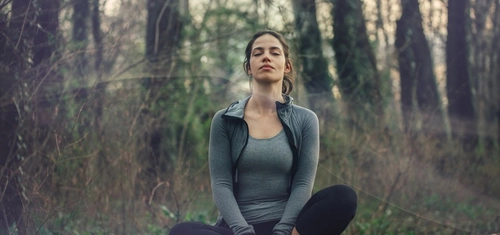
Why Breathing Works When Anxiety Hits
When anxiety hits, your body switches into fight or flight. Your heart speeds up. Your breath gets shallow. Your nervous system is preparing you to run or fight.
Slow breathing does the opposite. It stimulates the vagus nerve, which flips you from that alert state into a calmer, rest and digest state. A 2017 review in Frontiers in Psychology confirmed that slow, controlled breathing significantly reduces stress and anxiety.
The best part? Breathing is one of the few automatic functions you can consciously control. You cannot will your heart to slow down. But you can change how you breathe. And your heart will follow.
The Ones That Work Fast
These are for when anxiety is already here. Use them in the moment.
The physiological sigh. This is the fastest one I know. Take a normal inhale through your nose. At the top, sniff in a second short breath to fill your lungs completely. Then exhale slowly through your mouth until empty. Repeat for three to five minutes. The double inhale opens your lungs. The long exhale calms your heart. I use this in meetings, in traffic, in the middle of arguments.
Box breathing. Inhale for four counts. Hold for four. Exhale for four. Hold empty for four. Repeat four to six rounds. This one is used by Navy SEALs and surgeons. The equal structure gives your mind something to hold onto when thoughts are spinning.
4-7-8 breathing. Exhale completely. Inhale through your nose for four counts. Hold for seven. Exhale through your mouth for eight. Repeat four cycles. The long exhale is the active ingredient. Many people use this to fall asleep after an anxious night.
Extended exhale. If the others feel like too much, just make your exhale twice as long as your inhale. In for four. Out for eight. Repeat for five minutes. That is it. Simple enough for anyone.
The Ones That Build Calm Over Time
These are for daily practice. They train your nervous system to stay steadier, not just survive a single episode.
Resonance breathing. Inhale for five counts. Exhale for five counts. Aim for about six breaths per minute. This rate is where heart rate variability peaks for most adults. Higher HRV is linked to lower anxiety and better emotional control. Do it for ten to twenty minutes a day.
Diaphragmatic breathing. Also called belly breathing. Sit or lie down. Inhale through your nose for four counts, letting your belly rise, not your chest. Exhale slowly. Repeat for five to ten minutes. This directly counters the shallow chest breathing that makes anxiety worse.
Coherent breathing. Similar to resonance. Inhale for five seconds. Exhale for five seconds. Keep it smooth, not forced. Do it for five to ten minutes. It activates the calm system and lowers stress hormones over time.
Humming breath. Inhale through your nose for four or five counts. Then exhale with a steady hum, feeling the vibration in your chest and throat. The vibration stimulates the vagus nerve directly. Most people feel the shift within a single breath. Six to eight rounds is enough.
How I Actually Use These
I do not do all of them. I do not even do most of them. Here is what stuck for me.
The physiological sigh for panic moments. It is fast, discreet, and works in under a minute. I use it when I feel the wave coming.
Box breathing before hard conversations. It gives my mind a job. That is half the battle.
4-7-8 at night. When I wake up at 2am with a spinning mind, I do four rounds. Sometimes it puts me back to sleep. Sometimes it just calms me enough to rest. Both are wins.
Resonance breathing on good days. I do ten minutes in the morning, not because I am anxious, but because I want to stay steady. Prevention is easier than rescue.
A Few Things I Learned Along the Way
You do not need to do it perfectly. A sloppy breath is better than no breath.
You do not need a quiet room or a meditation cushion. I have done these in bathrooms, on buses, in the middle of a workday.
You do not need to believe it will work. Just do it. The body responds even when the mind is skeptical.
And if one technique does not land, try another. Not every breath works for every person. The goal is not to find the perfect one. The goal is to have one you will actually use when you need it.
FAQ
How fast do breathing exercises work for anxiety?
Some work within a minute, like the physiological sigh. Others, like resonance breathing, build calm over weeks of practice.
Can breathing exercises replace therapy or medication?
No. They are a tool, not a cure. If anxiety is affecting your daily life, talk to a professional. Breathing can support that work, not replace it.
What if I cannot focus on my breath?
Then count. Or hum. Or just make your exhale longer than your inhale. Any of these gives your mind something to hold.
Do I need to do these every day?
For long-term benefit, yes. Even five minutes a day helps. For acute moments, use them as needed.
A Closing Thought
That day in the pharmacy line, I did not cure my anxiety. I just found a door. One breath. Then another. That is how it works. Not all at once. Just one breath at a time.
You already have the tool. It is with you everywhere you go. You just have to remember to use it.
References
- Zaccaro, A., et al. “How Breath-Control Can Change Your Life: A Systematic Review on Psycho-Physiological Correlates of Slow Breathing.” Frontiers in Psychology, 2018.
- American Psychological Association. “Anxiety.” APA Dictionary of Psychology.
- Harvard Health Publishing. “Relaxation techniques: Breath control helps quell errant stress response.” Harvard Medical School.

