You’ve watched someone make the same mistake for years. A friend who keeps returning to a relationship that clearly makes them miserable. A colleague who insists they’re fine while visibly falling apart. A family member who refuses to see what everyone else can see. You wonder how they can be so blind.
Then you remember the last time you were blind. The thing you didn’t see until it was too late. The story you told yourself because the alternative was too painful.
Self-deception isn’t a flaw in certain people. It’s a feature of being human. This article explores three books that explain how it works.
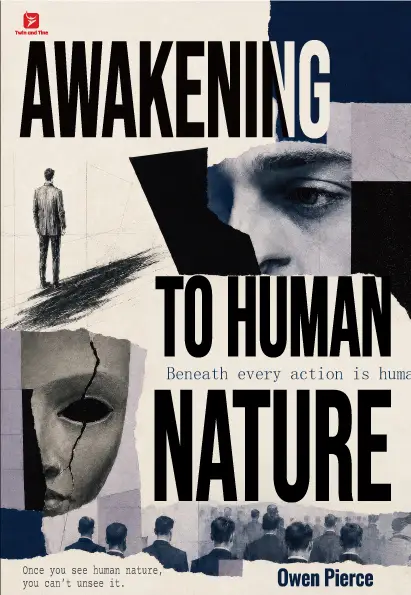
Book 1: Awakening to Human Nature by Owen Pierce
You can’t see your own blind spots until you understand how they’re built.
This book treats self-deception as the central mechanism of human behavior. Not an occasional lapse, but the operating system running beneath every decision you make. It explains why the mind filters reality to protect your self-image, why you remember events in ways that favor you, and why you can genuinely believe things you’d never accept from someone else.
You’ll learn why self-deception is more common than lying, and why it makes people capable of harm without guilt. Why people who demand honesty from others can live inside lies of their own. Why the stories you tell yourself about your choices often have almost nothing to do with what actually happened.
The most uncomfortable part is where the book turns on you. The reasons you give for staying stuck. The version of events you’ve edited in your favor. The thing you’ve been avoiding looking at directly.
Once you see the mechanism, you can’t unsee it. And that clarity changes everything.
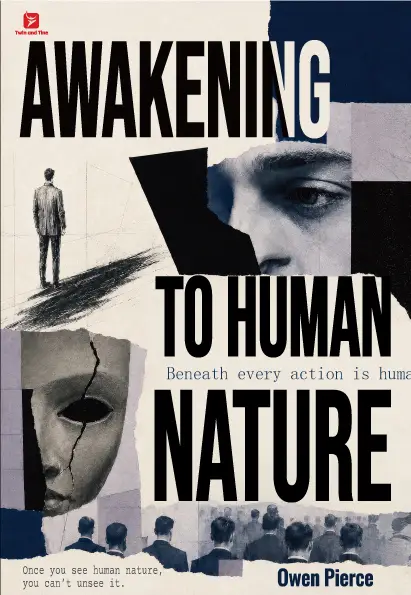
Awakening to Human Nature
Owen PierceA practical guide for understanding hidden motives, social patterns, emotional pressure, and manipulation—so you can read situations more clearly and protect your boundaries with confidence.
Book 2: Leadership and Self-Deception by the Arbinger Institute
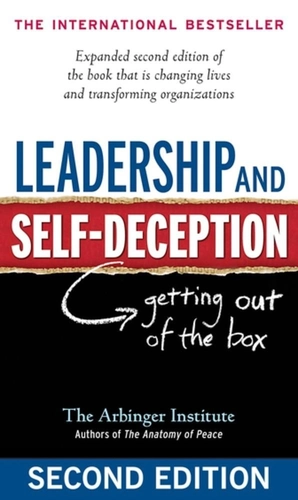
This book uses a simple story to show how self-deception damages every relationship you have.
It introduces the idea of “being in the box.” When you’re in the box, you see yourself as reasonable and others as obstacles. You justify your own behavior while resenting theirs. You can be in the box with one person and out of it with another, all in the same day.
What makes this book valuable is how practical it is. It shows you the moment self-deception begins, and how to recognize it in real time.
Book 3: The Folly of Fools by Robert Trivers

This book explains why self-deception is built into human biology.
Trivers, an evolutionary biologist, argues that we deceive ourselves in order to deceive others more effectively. If you believe your own lie, your face and voice cooperate. The deception becomes convincing because it isn’t a performance anymore.
You’ll learn how self-deception shapes memory, emotion, and social life. How we see ourselves as more honest and more wronged than we actually are. Dense but rewarding.
The Mirror You’ve Been Avoiding
Self-deception isn’t something that happens to other people. It’s happening in you right now. Somewhere in your life, there’s a story you’ve been telling yourself that reality doesn’t support. You just haven’t had to face it yet.
Leadership and Self-Deception shows how it damages your relationships. The Folly of Fools explains why it evolved in the first place. But Awakening to Human Nature is the one that shows you how to finally see through it, beginning with yourself.
The hardest person to be honest with is you. But it’s also the only honesty that changes anything.