I used to feel guilty every time I handed my phone to one of my kids. Honestly, carrying that guilt was exhausting. After years of worrying and adjusting and watching what actually happens in our living room, I have started to relax a bit. This is not me saying screens are amazing. This is me sharing what I have noticed when we use them thoughtfully.
The point is simply this: screens can sometimes help. And as parents, we could probably use a little less guilt and a little more real talk about what works.
What Research Actually Says About Positive Screen Time
Here is what has been noted from different expert observations.
Video calls with grandparents or family members have been linked to supporting language development in young children. The back-and-forth conversation, even through a screen, mimics face-to-face interaction in useful ways.
Educational apps designed for early literacy have shown helps kids recognize letters and phonemic awareness. keeps kids engaged in a way worksheets often don’t.
Interactive media, where the child has to respond, make choices, or solve a problem, tends to tends to work better than passive watching. A show that asks a question and waits is different from one that just plays.
Educational Benefits of Screen Time
Cognitive Development
There is a lot of talk about screens ruining attention spans. And sure, mindless watching probably does not help. But I have seen something different happen with certain kinds of activities.
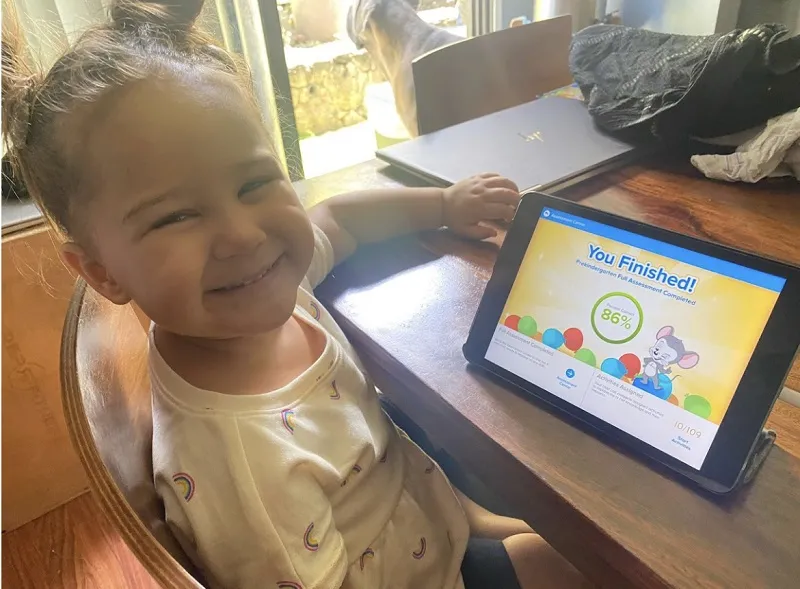
When my youngest was learning to sound out words, an app helped her match letters with sounds. She thought she was playing. But the screen gave her gentle feedback, and that back-and-forth clicked for her in a way that made learning feel like her idea.
I have heard other parents say similar things about puzzle games and simple coding toys. Some experts have pointed out that interactive digital tools can support memory and problem-solving when the content actually asks kids to think. That makes sense to me. A workbook sits there. A screen talks back.
Social and Emotional Learning
This one surprised me. I used to think screens were the opposite of emotional awareness. But our oldest went through a phase where he struggled to name what he was feeling. A teacher mentioned that some schools use quick digital check-ins, like a simple poll where kids tap an emoji that matches their mood.
We tried a simple version at home. Just a chart on a tablet where he could pick “frustrated” or “tired.” It opened a door. He started telling me things without me having to ask over and over.
I have also seen this with story-based games where you make choices for the character. It sparked real conversations about friendship and honesty. Screens did not shut him down. They gave him a script to practice.
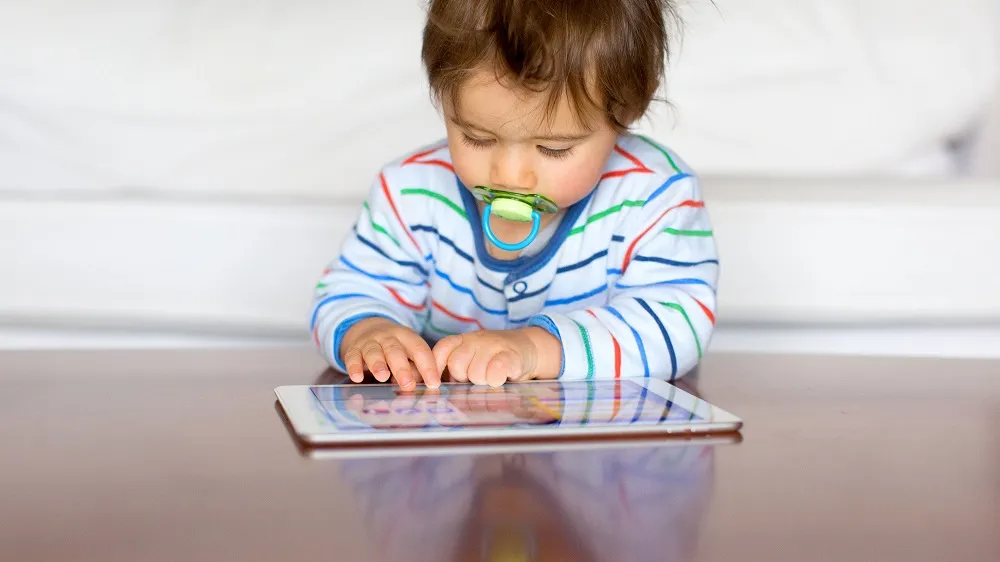
Types of Screen Activities That Help Development
Educational Apps and Games
Here is what I look for now. If the app asks my kid to actually do something, like sort, build, or solve, I feel fine about it. If it is just playing a video while they zone out, I try to steer them toward something else. Some of the better ones teach logic through simple coding puzzles or build number sense through quick challenges. The difference is active versus passive.
Interactive TV Shows
Some shows pause in the middle and ask a question. Or they tell kids to stand up and dance or repeat a phrase. My kids shout answers at the TV like the characters can hear them. That kind of thing keeps them engaged. They remember more. Sometimes they act out the scenes later during play.
Creative Tools
Drawing and music apps have been a win for us. Our older one spends a good amount of time making little beats on a music app. It started as a time-filler. But then he got curious about rhythm and started asking me what certain buttons did. That felt different from just watching videos. He was making something.
How to Maximize the Positive Effects
Set Time Limits
I am not strict about this in a military way. But we have loose windows. After homework, before dinner. Or during the weekend mornings when I need to make breakfast without someone asking me for a snack every two minutes. Having a general rhythm seems to help my kids know what to expect. They complain less than when I used to just say “no” randomly.
Co-Viewing and Discussion
This makes a huge difference. When I sit with them, even for ten minutes, I can point things out. “Did you see how she said sorry?” Or I can ask, “What would you have done there?”
Experts have noted that screen use tends to be more beneficial when there is back-and-forth conversation between the child and the adult about the content. That makes sense to me. It turns the screen into something we share instead of something that pulls us apart.
Choose Age-Appropriate Content
A game made for a teenager will frustrate a seven-year-old. And a show for a little kid will bore a teenager. I have learned to check reviews quickly before hitting download. It saves everyone the whining.
Myths About Screen Time
A lot of people still believe that screen time is always bad. I used to think that too. But honestly, “screen time” covers so many different things. Video calling with grandparents is not the same as watching random clips. Solving a math puzzle is not the same as ignoring homework.
The real question is not “how many minutes?” The real question is “what are they getting out of it?” And “what is it replacing?” If it replaces sleep or outdoor play, that is a problem. But if it replaces sitting around bored on a rainy afternoon, or gives a tired kid a way to unwind after a long school day, that feels different to me.
FAQ: Quick Answers to Questions I Get From Other Moms
Q: Does screen time really affect sleep?
Yes, but usually it is the timing more than the total minutes. I noticed that if my kids use a tablet right before bed, they take longer to settle down. So we try to cut off screens at least 45 minutes before lights out. Reading or just talking works better right before sleep.
Q: Can screens help my shy child open up?
Yes, sometimes. My younger one is quieter around new people. But she loves watching certain shows where characters go through things she recognizes. After watching, she might bring up a situation that happened at school. The show gave her a way to start the conversation without me having to pry. It is not a fix for shyness, but it has been a helpful bridge for us.
Q: How much screen time is too much?
There is no perfect number that works for every family. I look for warning signs instead. If my kids get irritable when screen time ends, or if they are skipping meals or avoiding playing outside, that tells me we need to pull back. On days when they have had a long school day or the weather is bad, I am more relaxed. It is about balance across the whole week, not a single day.
I am not trying to raise kids who avoid screens. That is not the world we live in. I am trying to raise kids who can look up when someone talks to them, who know when to put the tablet down, and who can actually learn something from their digital time now and then.
Start small if you are worried. Watch one episode with your child this week. Ask them what they thought. Or try one creative app and see what they make. You might be surprised. I know I was.
Sources:
World Bank Report on Early Childhood & Digital Balance (2026)
K5 Learning: Screen Time vs. Reading Time Balance
Norton Children’s: Managing Screen Time for Kids 6-12
American Academy of Pediatrics (AAP) via Growing Together Westchester