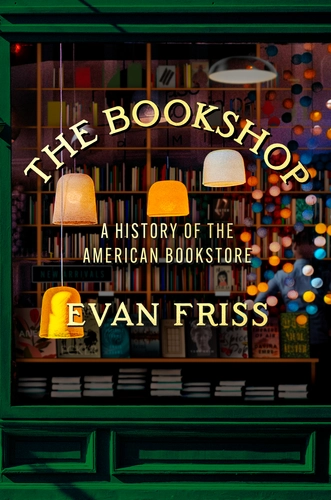
I bought my first used paperback at a store that no longer exists. It was a cramped shop on a side street, the kind with shelves that lean and a cat asleep on the counter. The owner knew my name after three visits. When it closed, I felt like I had lost a friend. Evan Friss understands that feeling. His book The Bookshop is a history of American bookstores, but it is also a history of that specific grief.
Friss starts with Benjamin Franklin, who was a printer and a bookseller before he was a Founding Father. He moves through department stores that once had book sections, traveling bookstores on wheels, sidewalk vendors, and the legendary Book Row in New York. He covers the rise of chains like Barnes & Noble and Borders, then the Amazon era, and finally the recent comeback of indie shops. Along the way, he tells stories about the people who ran these places. Eccentrics, mostly. People who loved books more than money.
One chapter focuses on Marcella Burns Hahner, known as “The Czarina,” who ran the book department at Marshall Field’s in Chicago for decades. She had a 3,000‑pound elephant named Gunda come to the store and appear to sign books. That is the kind of detail that makes history fun. Friss also writes about a tuxedo cat named WonTon who presided over a store in Virginia. If you have ever loved a bookstore cat, you will understand.
“The bookstore – its design and function – has never been a fixed entity. Bookstores reflect the cultural, intellectual, economic, and political world around them.”
That line appears early, and it sets the tone. Friss is not just cataloging stores. He is showing how they changed with the country. The book is strongest when it stays personal. When Friss writes about his own visits to the Strand or his memories of a local shop, the prose comes alive. When he gets into the weeds of publishing economics, it drags a little.
The book has flaws. It is very East Coast focused. Almost every store he profiles is in New York or New England. He includes chapters on Black, feminist, and LGBT+ bookstores, which is great. But he mostly ignores conservative or religious bookstores. The only right‑wing store he mentions is a pro‑Nazi shop, which feels like a cheap shot. A real history should cover the whole spectrum, not just the parts that align with the author’s politics.
Still, I enjoyed it. It made me nostalgic for stores I never visited. It made me want to drive to my local indie and buy something. It reminded me why bookstores matter. They are not just businesses. They are places where ideas bump into each other. Where a kid can find a book that changes their life. Where a lonely person can sit and feel less alone.
Friss writes in his introduction that the book “hardly covers everything.” He is right. But what he does cover is worth your time. Especially if you have ever spent an afternoon browsing shelves and forgetting your troubles. That is the magic. That is what we lose when another store closes.
I finished The Bookshop on a rainy Sunday. I put on my coat and drove to a used bookstore I had been meaning to visit. I bought a worn copy of a novel I had read in college. The owner smiled and said, “Good choice.” I smiled back. That is the whole point of this book. We keep the lights on. We keep showing up.

