Better Relationships Often Start With Better Communication
Good relationships are not built only through affection or shared experiences. They also depend on what happens during ordinary conversations: how you ask for what you need, how you respond when something bothers you, and whether both people feel comfortable being honest.
Small communication habits can gradually shape a relationship. Avoiding difficult subjects may keep things peaceful for a while, but unresolved frustration tends to return. On the other hand, being honest without considering how your words land can create unnecessary distance.
That is why books for building better relationships can be useful. The right book can help you notice patterns that feel normal in your relationships but are actually making communication, trust, or emotional connection harder.

What Makes a Relationship Feel Healthy?
A strong relationship does not mean two people always agree. Differences in personality, expectations, and opinions are normal. What matters more is whether those differences can be handled without constant defensiveness, resentment, or fear of speaking honestly.
Healthy communication also involves boundaries. You need to be able to express what you need while giving the other person enough room to express their own needs.
The three books below approach relationships from different angles, making them useful for readers who want to strengthen connection without relying on one-size-fits-all advice.
1. Say It Right Every Time by Miles Carter
Say It Right Every Time looks at communication from a practical, everyday perspective, which makes it particularly relevant to relationships. Many relationship problems are not caused by a lack of caring. They happen because people struggle to communicate what they actually mean once emotions enter the conversation.
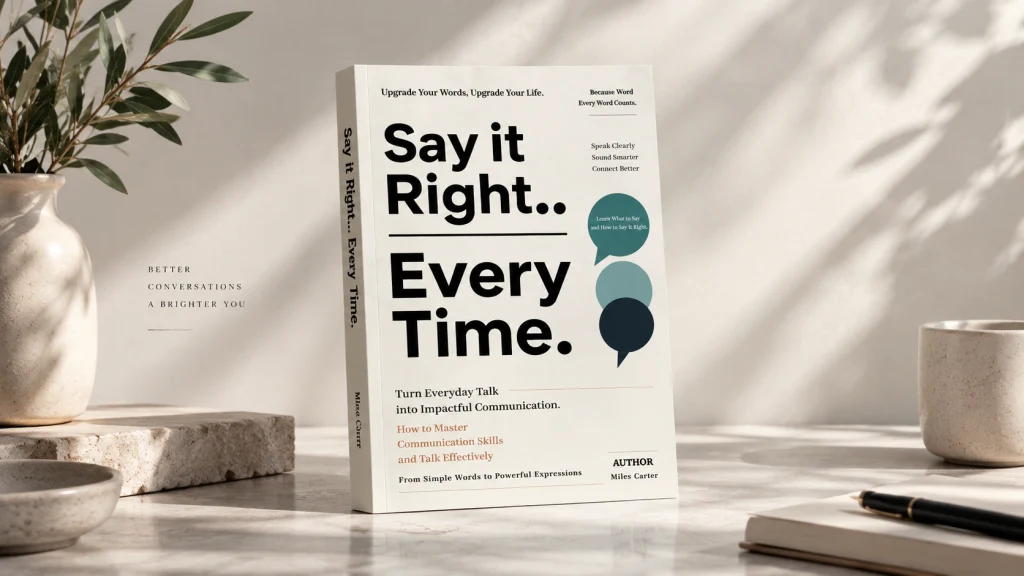
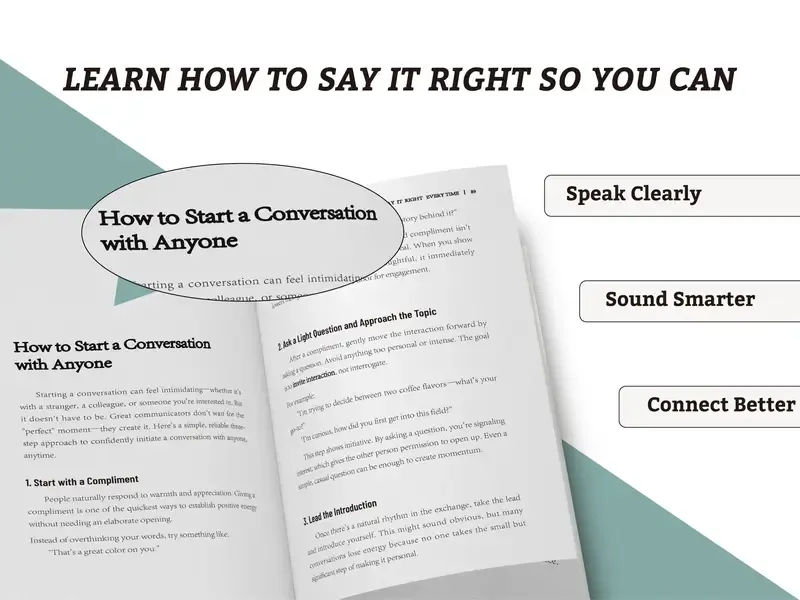
The book covers skills such as expressing honest opinions without alienating others, making respectful requests, setting boundaries, and disagreeing without creating distance. These are the kinds of situations that can quietly wear down a relationship when they are handled poorly.
One especially useful idea is learning to communicate needs directly instead of expecting another person to figure them out. A vague complaint can easily become an argument, while a clear request gives the other person something specific to understand and respond to.
The book also explores strategic pausing and responding without losing your cool. That matters because a relationship can be affected as much by the response to a difficult comment as by the original comment itself. Being able to slow down before reacting gives you a better chance of saying what you actually mean instead of saying something you regret five minutes later.
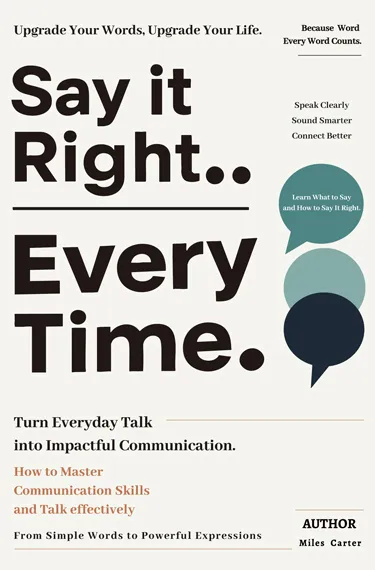
Say it Right..Every Time.
Miles CarterPractical communication tools for the moments that matter — say what you mean, calmly and confidently.
Its sections on emotional connection are also relevant, including how to keep conversations going and make others feel understood. Taken together, these lessons make the book less about memorizing communication tricks and more about becoming a clearer, steadier communicator.
For someone looking for books for building better relationships, Say It Right Every Time offers a practical foundation because communication touches almost every other part of a relationship.
2. Attached by Amir Levine and Rachel Heller
Attached approaches relationships through attachment styles. It focuses on the patterns people can develop around closeness, distance, reassurance, and emotional security.
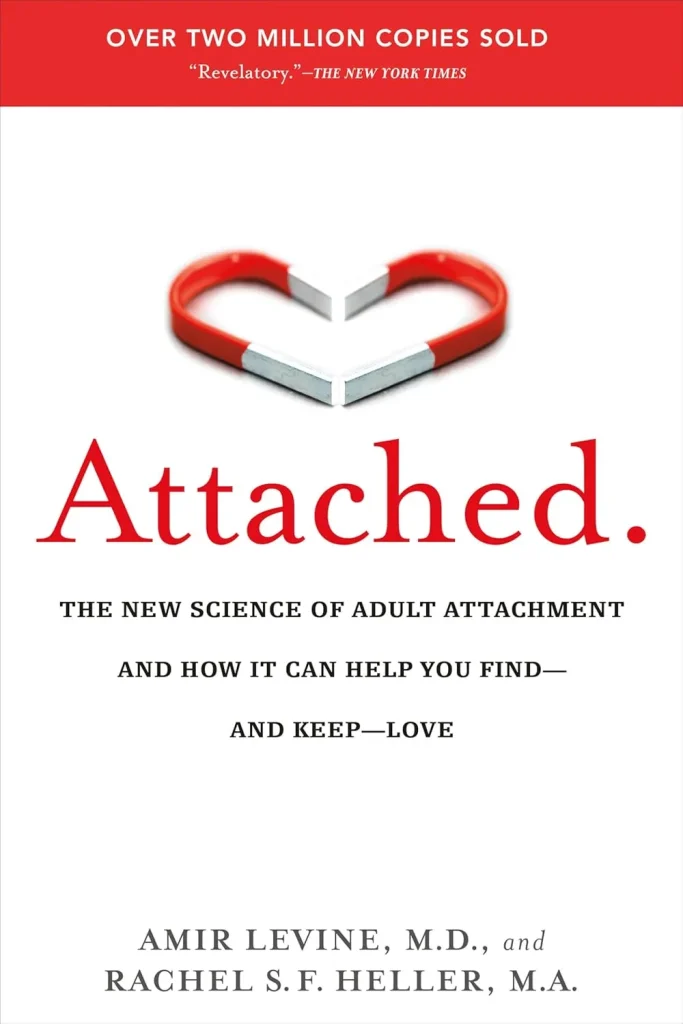
This perspective can be useful when a relationship repeatedly falls into the same pattern. One person may want more reassurance while the other needs more space, for example, creating a cycle in which both people feel misunderstood.
The book gives readers a framework for thinking about those patterns instead of treating every disagreement as an isolated event. That can help people become more aware of how their expectations and reactions affect their relationships.
3. Set Boundaries, Find Peace by Nedra Glover Tawwab
Set Boundaries, Find Peace focuses on boundaries and the role they play in relationships. It explores what happens when people have difficulty saying no, communicating their limits, or recognizing what they are actually responsible for.
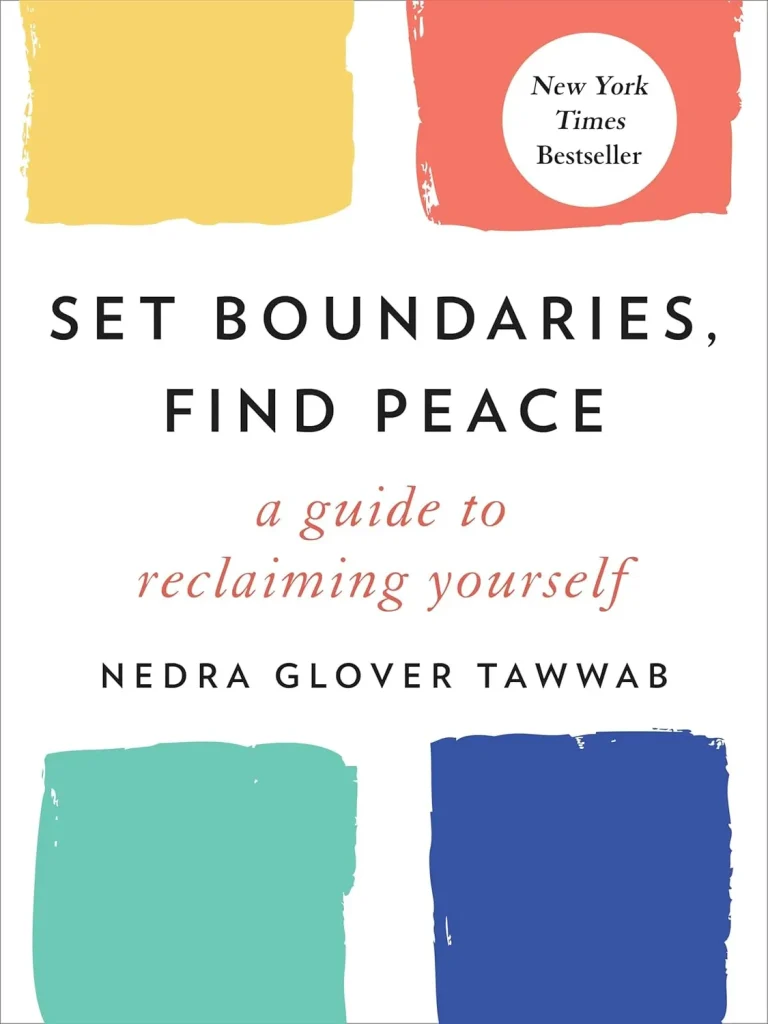
That makes it especially relevant for relationships where one person constantly gives more than they have the energy to give. Without clear boundaries, resentment can build even when both people care about each other.
The book encourages readers to become more comfortable expressing their needs and limits. Rather than treating boundaries as walls that keep people away, it presents them as a way to create clearer and more sustainable relationships.
Building Better Relationships Is Not About Avoiding Every Conflict
It is easy to assume that a better relationship should involve fewer disagreements. In reality, disagreement is unavoidable when two people have their own preferences, expectations, and experiences.
The more important skill is learning what happens when disagreement appears. Can you explain your position without attacking the other person? Can you listen without immediately becoming defensive? Can you say what you need without expecting the other person to read your mind?
These are communication habits, but they also shape trust and emotional closeness over time.
Look at the Pattern Behind the Problem
A repeated argument is often a symptom of a larger pattern. The subject might change, but the same dynamic keeps returning: one person feels ignored, the other feels criticized; one asks for reassurance, the other withdraws; one keeps giving in until resentment builds.
This is where reading can be more useful than looking for another quick communication tip. Understanding the pattern gives you something to work with before the next difficult conversation happens.
Say It Right Every Time is especially practical here because its topics extend beyond one type of relationship problem. The book connects honest expression, boundaries, emotional control, listening, and disagreement in a way that can be applied across many everyday interactions.
Better Relationships Require Two People Who Can Be Honest
Being honest does not mean saying every thought the moment it appears. It means being able to communicate important feelings, needs, and concerns instead of constantly hiding them to avoid discomfort.
At the same time, honesty works better when it is paired with respect. A relationship becomes difficult when one person feels they must stay silent to keep the peace, but it can be equally difficult when every concern is delivered as criticism.
Learning that balance takes practice. Books can give you the language and perspective, but the real improvement happens when those ideas start appearing in your everyday conversations.
Three Different Ways to Strengthen a Relationship
These books approach relationship growth from different directions. Say It Right Every Time focuses heavily on communication and how to handle conversations more effectively, Attached looks at relationship patterns through attachment, and Set Boundaries, Find Peace focuses on creating healthier limits.
Together, they cover several issues that can make relationships difficult: misunderstanding, emotional reactions, insecurity, poor boundaries, and difficulty expressing needs.
For readers searching for books for building better relationships, that broader perspective can be more useful than looking for one book that promises to fix everything. Building stronger relationships usually involves improving several connected skills, not finding one perfect solution.