Parenting Changes as Kids Get Older
Parenting an eight-year-old is very different from parenting a teenager, but the years in between come with plenty of challenges of their own. Children from 8 to 12 are becoming more independent, developing stronger opinions, and learning to manage emotions and responsibilities that they could not handle when they were younger.
This is also the stage when parents can find themselves caught between helping and overhelping. Homework, screen time, arguments with siblings, mistakes at school, changing friendships, and growing independence can all create friction at home.
That is why the best parenting books for 8-12 year olds should be practical enough for everyday problems while also helping parents understand what children at this stage are learning to manage for themselves.
What Parents Often Struggle With at 8-12
Children in this age range can understand more than younger children, but that does not mean they consistently act with adult-level judgment. They may know a rule and still argue about it, understand the consequences of procrastinating and still put homework off, or become extremely emotional about something that seems minor to a parent.
Parents may also notice a change in the way children respond to correction. Constant reminders can lead to resistance, while too much control can make children less willing to take responsibility for their own choices.
The books below approach these challenges from different angles, with the first one especially focused on the everyday situations parents are most likely to recognize.
1. The Parent You Aspire to Be by Miles Carter
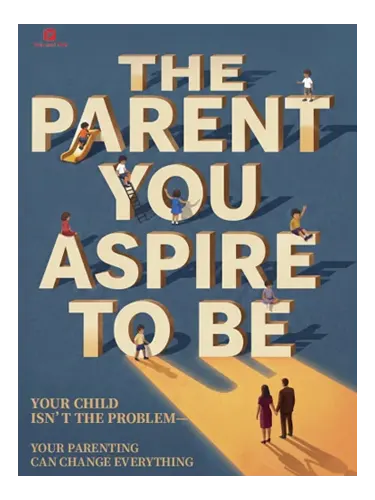
The Parent You Aspire to Be is designed around real parenting situations rather than one broad parenting philosophy. Its topics cover many of the challenges that become increasingly noticeable as children grow more independent, including procrastination, unwillingness to study, lying, rude language, emotional meltdowns, fear of failure, low confidence, and refusing to listen.
One useful part of the book is its attention to what happens before a parent corrects a behavior. When a child refuses to study or keeps putting something off, repeating the same instruction louder rarely addresses the reason the pattern keeps happening. The book looks at ineffective approaches, provides better demonstrations, and gives parents practical ways to respond without turning every situation into another argument.
The same approach applies to emotional situations. Children may become overwhelmed by frustration, disappointment, embarrassment, or fear of failure, and parents can easily focus on stopping the visible behavior before understanding what is happening underneath it. The book discusses recognizing children’s feelings, helping highly sensitive children manage emotions, responding to meltdowns, and building confidence without making children afraid of making mistakes.
Another major theme is how much responsibility parents should keep and how much they should gradually hand over. The book addresses overprotection, overreminding, constant correction, and stepping in whenever a child has a problem with another child. These are particularly relevant during the 8-12 stage because children need increasing opportunities to solve manageable problems themselves.
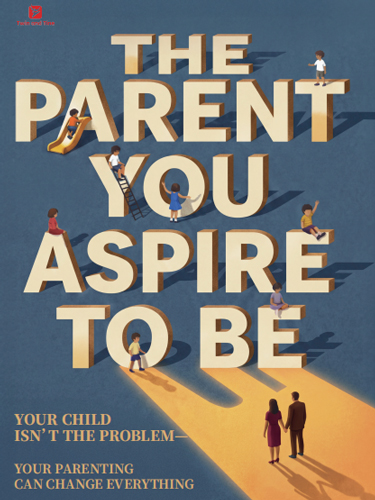
The Parent You Aspire to Be
Miles CarterPractical guidance for tantrums, backtalk, lying, screen addiction, emotional outbursts, and everyday parenting struggles.
The book also emphasizes the balance between firm boundaries and emotional support. Parents do not have to choose between being permissive and being overly controlling. Children still need clear expectations, but they also need enough space to develop judgment, handle consequences, and become more confident in their own abilities.
For parents searching for the best parenting books for 8-12 year olds, The Parent You Aspire to Be is a strong match for families dealing with everyday behavior, emotional regulation, communication, and the gradual shift toward independence.
2. How to Talk So Kids Will Listen & Listen So Kids Will Talk by Adele Faber and Elaine Mazlish
How to Talk So Kids Will Listen & Listen So Kids Will Talk focuses on parent-child communication and practical ways to handle common conflicts. Its publisher describes it as a book about communicating effectively with children, including dealing with frustration, anger, and disappointment, encouraging cooperation, setting firm limits, and resolving family conflicts.
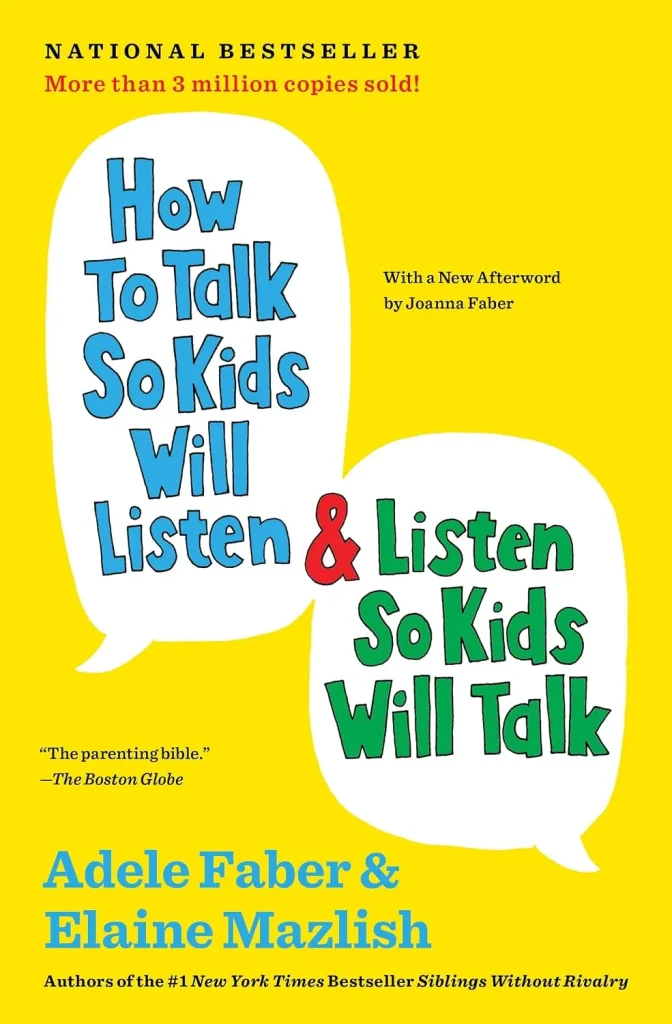
This can be particularly useful when a child is old enough to argue their point but still needs guidance. Instead of relying on repeated commands or escalating punishment, the book focuses on language that can make children more willing to cooperate while maintaining the relationship.
It also covers praise, autonomy, and helping children deal with feelings, which are relevant as kids move toward greater independence.
3. Parent Effectiveness Training by Thomas Gordon
Parent Effectiveness Training takes a communication-based approach to parenting and focuses on helping parents communicate more effectively, resolve conflicts, and give children greater responsibility for their own problems. The publisher notes that its methods cover both younger children and teenagers, making it relevant across a wide parenting age range.
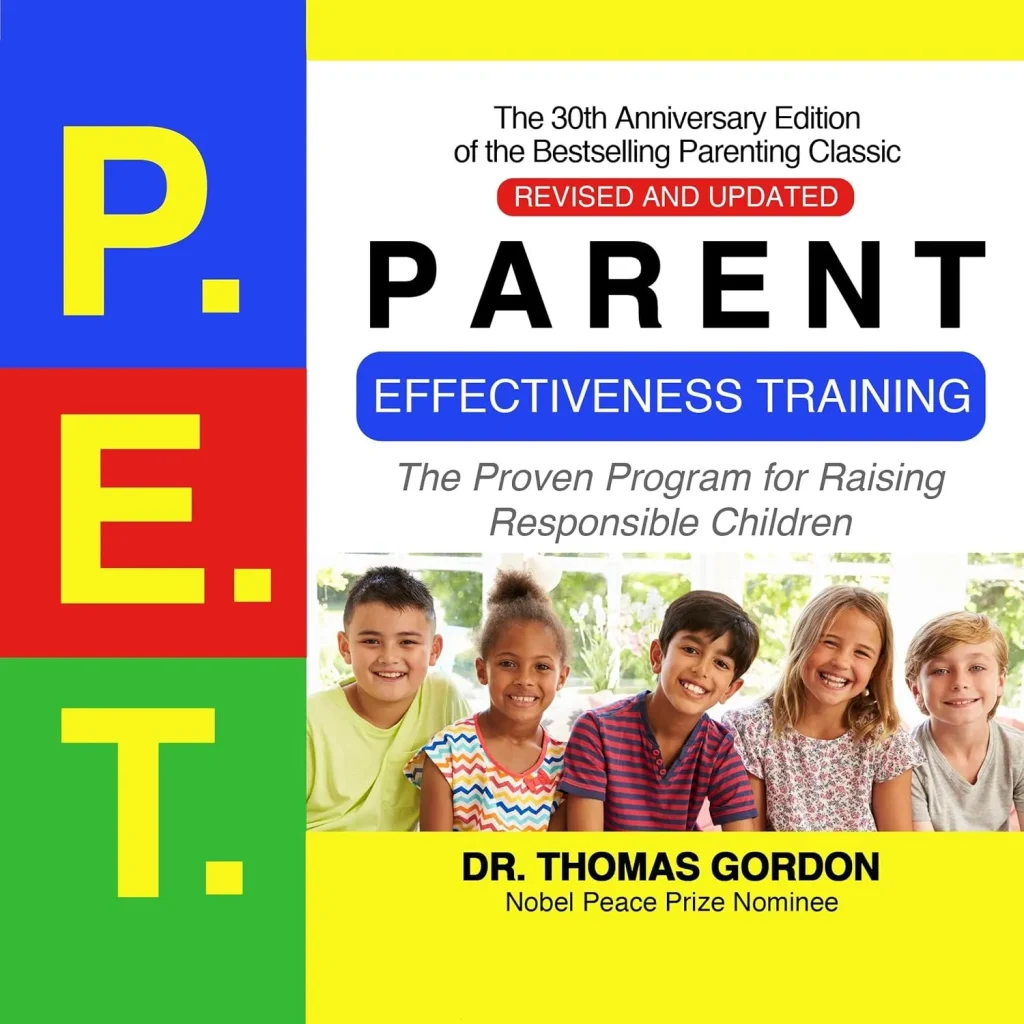
For parents of 8-12 year olds, one of the more relevant ideas is moving away from solving every problem for the child. As children become more capable, parents can gradually shift toward helping them think through problems and participate in resolving conflicts.
That makes the book a useful option for families who are trying to move from constant parental direction toward more cooperation and responsibility.
Help Them Grow Without Taking Over
The 8-12 stage can be awkward because children still need plenty of parental guidance while simultaneously wanting more control over their own lives. Too little guidance can leave them without enough structure, but too much intervention can prevent them from developing the confidence to handle things independently.
The Parent You Aspire to Be addresses this tension directly through its sections on overprotecting, overreminding, constant correction, and allowing children to solve problems themselves. Those ideas are especially useful when a parent realizes that helping with every little problem may actually be keeping the child from practicing independence.

A child does not need to get everything right immediately. They need opportunities to try, make reasonable mistakes, learn from them, and gradually take on more responsibility.
Confidence Matters as Much as Compliance
At this age, parents can become very focused on getting children to listen, finish homework, follow rules, and behave appropriately. Those things matter, but they are not the whole picture.
Children are also developing a sense of who they are. Frequent comparison, harsh criticism, or treating every mistake as a major problem can make them more afraid of getting things wrong.
The Parent You Aspire to Be gives this issue considerable attention through its discussions of confidence, fear of failure, embarrassing moments, and the effects of constant correction. The broader idea is that children need boundaries and accountability without feeling that every mistake makes them disappointing.
Emotional Skills Become More Important With Age
Children between 8 and 12 are dealing with more complicated emotions and social situations than they did when they were younger. They may care more about how others see them, experience stronger frustration when things do not go their way, and become more sensitive to failure or criticism.
Parents cannot prevent all of those experiences. What they can do is help children learn how to deal with them.
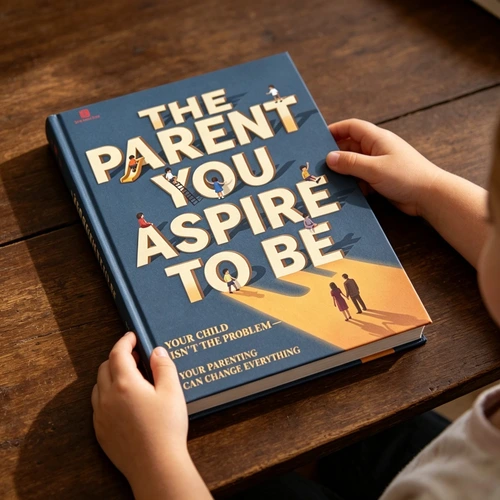
That is another reason The Parent You Aspire to Be focuses on both the child’s behavior and the parent’s emotional response. A parent who can stay steady during a difficult moment has more room to guide the child instead of simply reacting to the behavior.
Which Type of Parenting Book Fits Your Family?
The three books serve somewhat different purposes. The Parent You Aspire to Be covers a wide range of everyday behavior, emotional, communication, and independence issues; How to Talk So Kids Will Listen & Listen So Kids Will Talk focuses heavily on communication and cooperation; and Parent Effectiveness Training centers on communication, conflict resolution, and helping children take more responsibility.
For parents of 8-12 year olds, age-specific relevance matters because children are moving through a period where independence is increasing quickly. The most useful advice is often the advice that helps you handle today’s problem while also preparing your child to handle more of tomorrow’s problems without you.
The Goal Is Not to Make Parenting Easier by Controlling More
The years from 8 to 12 are full of small tests of independence. Your child may resist, argue, forget, make mistakes, or insist on doing something their own way.
Those moments can be frustrating, but they are also opportunities to teach skills that children will need long after they stop asking for help with homework. The best parenting books for this age are the ones that help parents guide children without trying to control every outcome.
For families navigating this stage, The Parent You Aspire to Be, How to Talk So Kids Will Listen & Listen So Kids Will Talk, and Parent Effectiveness Training offer three different ways to think about behavior, communication, emotional growth, and growing independence.