Social Confidence Is More Than Being Outgoing
You do not have to be naturally talkative to feel comfortable around other people. Social confidence can be as simple as being able to introduce yourself, start a conversation, share an opinion, or speak up when you have something to say without spending the next hour analyzing it.
For some people, the difficult part is meeting someone new. For others, it is speaking in a group, keeping a conversation going, or knowing how to respond when someone says something unexpected.
That is why books about social confidence can be useful. The right one does not need to turn you into an extrovert. It can help you develop practical communication habits that make social situations feel less intimidating.

What Actually Gets in the Way of Social Confidence?
A lack of confidence is not always obvious. You may seem perfectly calm from the outside while constantly second-guessing yourself internally.
You might wonder whether you are talking too much, whether your comment sounded foolish, or whether someone misunderstood what you meant. That internal monitoring can make it difficult to stay present in the conversation.
A useful book should address those practical moments rather than treating confidence as nothing more than a positive mindset.
1. Say It Right Every Time by Miles Carter
Say It Right Every Time takes a practical approach to social confidence by focusing on the communication situations that often make people uncomfortable. Instead of telling readers to simply “be confident,” the book breaks communication down into skills that can actually be practiced.
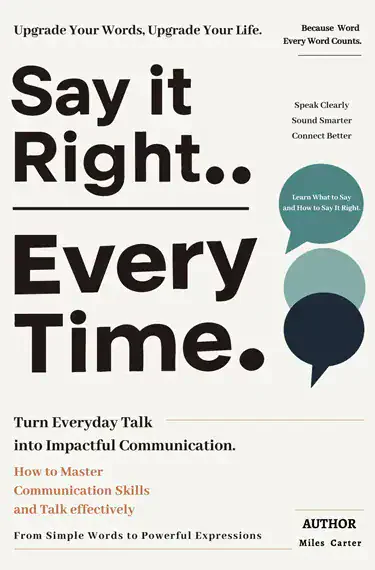
Its chapters cover How to Start a Conversation with Anyone and How to Keep the Conversation Going (Even with Strangers), which directly addresses one of the most common social struggles: not knowing what to say after the first few lines.
The book also explores How to Speak So People See You as a Leader and Confidence in Your Voice, Even Under Pressure. These chapters are useful because confidence is not only about casual conversation. It also matters when you need to express yourself in front of other people, contribute an idea, or stay composed when the conversation becomes uncomfortable.
Another strong area is honest self-expression. The book covers Express Your Honest Opinion Without Alienating Others, Disagree Without Creating Distance, and From People-Pleasing to Owning Your Voice. Those topics connect social confidence with something deeper than simply being good at small talk: trusting yourself enough to let other people hear what you actually think.

Say it Right..Every Time.
Miles CarterPractical communication tools for the moments that matter — say what you mean, calmly and confidently.
The book also includes practical communication around compliments, awkward conversations, responding under pressure, and professional self-introduction. That range makes it useful for readers whose social confidence problems show up in different situations rather than one specific setting.
For someone searching for the best books for social confidence, Say It Right Every Time offers a practical route into the subject because it focuses on what confident communication actually looks like when you are in the middle of a real conversation.
2. How to Win Friends and Influence People by Dale Carnegie
How to Win Friends and Influence People is a long-standing book about interacting effectively with others. Much of its advice centers on showing genuine interest, listening carefully, avoiding unnecessary criticism, and making other people feel respected.
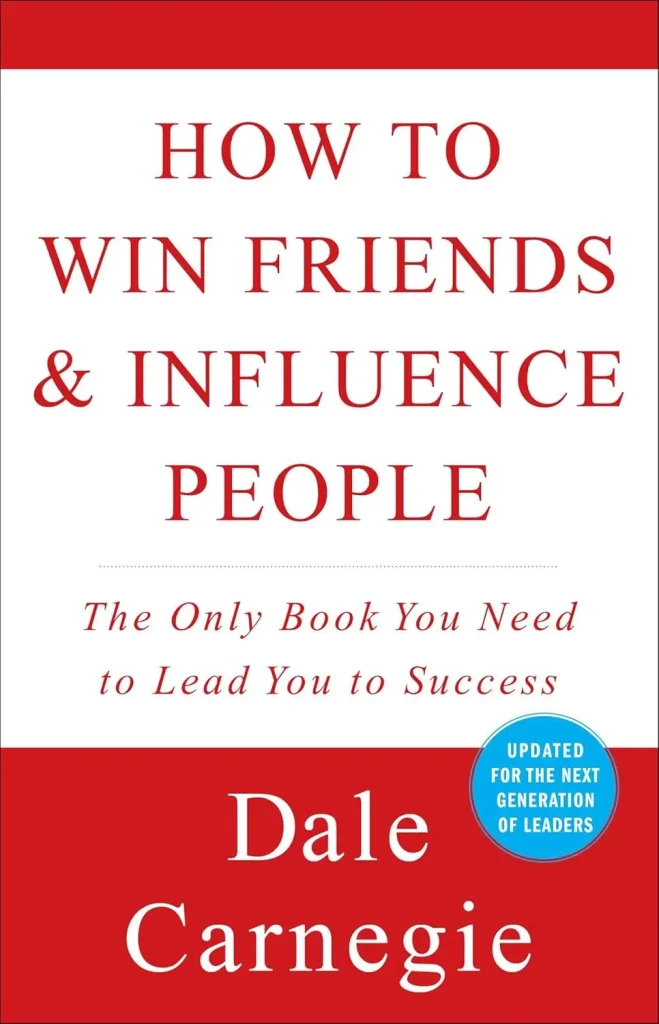
For readers who struggle with social situations because they are unsure how to connect with people, these ideas can provide a useful foundation. Instead of trying to impress everyone, you learn to pay more attention to the other person’s perspective and participate more naturally in the interaction.
The book is broader than social confidence alone, but its emphasis on everyday human interaction makes it relevant to people who want to feel more at ease socially.
3. The Charisma Myth by Olivia Fox Cabane
The Charisma Myth explores charisma as something that can be developed rather than a quality that only a small number of people are naturally born with.

The book looks at presence, warmth, confidence, and the way these qualities affect interpersonal interactions. For someone who tends to disappear into their own thoughts during conversations, the idea of becoming more present can be particularly useful.
Its approach is less about memorizing conversation techniques and more about understanding the mindset and behaviors that make people appear comfortable and engaged around others.
Social Confidence Grows Through Repetition
Reading about communication can give you useful ideas, but social confidence ultimately becomes stronger through use. A technique might feel awkward the first few times you try it, especially if you are used to overthinking every interaction.
That is normal. You are learning a new way of responding instead of relying on habits that kept you silent, overly cautious, or focused on other people’s reactions.
The key is to give yourself ordinary opportunities to practice. A short conversation with a coworker, a question to someone you have just met, or speaking up once in a group can all count.
Confidence Does Not Mean Never Feeling Awkward
Even socially confident people have conversations that go nowhere. They forget someone’s name, say something that comes out differently than intended, or run into an uncomfortable pause.
What changes is how much importance they attach to those moments. One awkward interaction does not become proof that they are bad at talking to people.
That is part of what makes Say It Right Every Time useful alongside broader books such as How to Win Friends and Influence People and The Charisma Myth. Together, they approach social confidence from communication skills, interpersonal connection, and personal presence.
Three Books, Three Ways Into Social Confidence
If your main struggle is not knowing what to say, Say It Right Every Time offers practical communication skills for starting conversations, keeping them moving, expressing opinions, and speaking under pressure. How to Win Friends and Influence People focuses more on connection and interpersonal habits, while The Charisma Myth explores presence and the behaviors behind confident social interaction.
Social confidence is rarely one single skill. It develops through a combination of knowing how to communicate, becoming more comfortable around people, and trusting yourself enough to participate without constantly judging your performance.
Did this article help you see things differently? Our books turn helpful ideas into practical tools you can return to anytime.




Imagine The Other Half
$24.99

