Peaceful Parenting Happens in Ordinary Moments
A peaceful family routine does not mean nobody gets upset. There will still be mornings when a child refuses to get ready, evenings when homework becomes a struggle, and weekends when everyone is tired and easily irritated.
What changes is the way those moments are handled. When parents respond predictably, communicate clearly, and avoid turning every problem into a confrontation, everyday routines can become much less draining.
That is why books for peaceful parenting routines are useful when they focus on what actually happens at home. Parents need more than broad advice about being calm. They need ideas they can use when a child is emotional, resistant, distracted, or simply having a difficult day.
What Makes a Family Routine Feel Peaceful?
A calmer home is usually built from many small habits rather than one big parenting technique. Children know what to expect, parents do not need to repeat every instruction ten times, and disagreements are handled without immediately becoming personal.
A few things make a noticeable difference:
- Predictable expectations: Children are less likely to feel as though the rules change from one day to another.
- Calm communication: A request is easier to respond to when it does not arrive wrapped in anger or a long lecture.
- Space for independence: Children need opportunities to handle age-appropriate responsibilities instead of waiting for a parent to step in.
- Room for emotions: A child can be upset without the parent treating the emotion itself as bad behavior.
These habits do not make family life perfect. They simply reduce some of the friction that builds when everyone is constantly reacting to everyone else.
1. The Parent You Aspire to Be by Miles Carter
The Parent You Aspire to Be takes a practical approach to the situations that can disrupt family routines most often. The book addresses meltdowns, procrastination, unwillingness to study, lying, rude language, picky eating, fear of failure, constant correction, and overreminding, giving parents specific situations to think through rather than one broad set of rules.

One of the strongest themes is the balance between being kind and being firm. The book argues that children need boundaries, but constant correction and pressure can make ordinary family interactions unnecessarily tense.
Its chapter on The Best Parents Are Firm and Kind: Kind Parenting With Firm Boundaries captures this balance well. Parents do not have to choose between letting everything slide and becoming overly controlling. A steady boundary can be communicated without turning the situation into a confrontation.
The book also pays close attention to parental emotional regulation. Children Learn Calm From Parents’ Behavior and How to Handle Your Anxiety in Parenting are particularly relevant to peaceful routines because the atmosphere of the home is shaped by how adults respond when things go wrong.
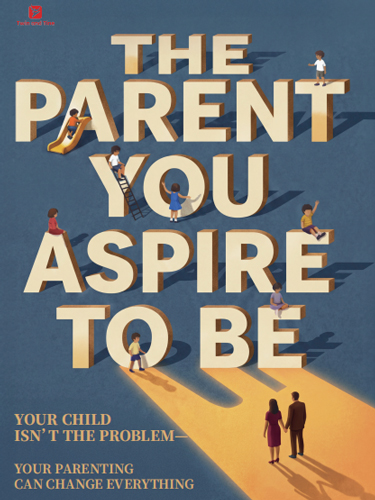
The Parent You Aspire to Be
Miles CarterPractical guidance for tantrums, backtalk, lying, screen addiction, emotional outbursts, and everyday parenting struggles.
Another major theme is independence. The sections on overprotecting, overreminding, constantly correcting, and stepping in every time a child is in conflict all point toward the same practical issue: children need opportunities to manage parts of their own lives.
For parents looking for books for peaceful parenting routines, The Parent You Aspire to Be stands out because it connects calm family life with everyday behavior, communication, emotional regulation, and the gradual development of independence.
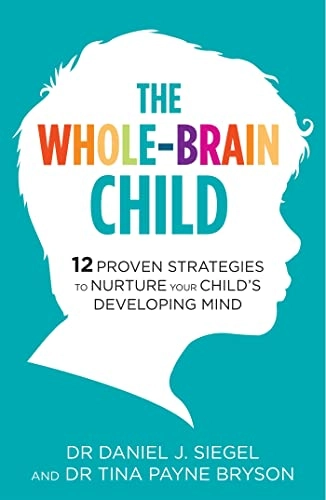
2. The Whole-Brain Child by Daniel J. Siegel and Tina Payne Bryson
The Whole-Brain Child focuses on helping parents understand children’s developing emotional and cognitive abilities. It offers strategies for dealing with strong emotions and difficult moments while helping children develop greater self-awareness and emotional skills.
That can be useful in a family routine because children do not always have the ability to move smoothly from one activity to another. A child may understand that it is time to stop playing but still struggle emotionally with making the transition.
The book encourages parents to think about what is happening underneath the behavior while still providing structure. That can help make daily routines feel less like a series of battles and more like opportunities to teach emotional skills.
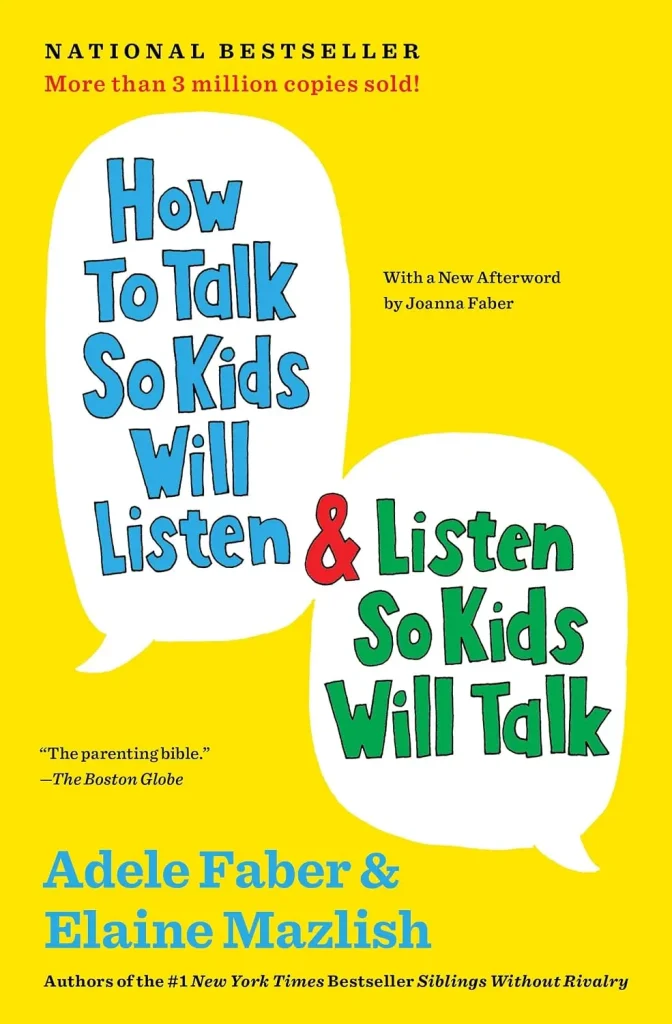
3. How to Talk So Kids Will Listen & Listen So Kids Will Talk by Adele Faber and Elaine Mazlish
How to Talk So Kids Will Listen & Listen So Kids Will Talk puts communication at the center of calmer family interactions. It explores ways to help children deal with feelings, encourage cooperation, establish limits, and handle everyday conflict.
That focus is particularly helpful when routines become repetitive. Parents often know what they want their child to do, but the way they phrase the request can determine whether the interaction moves forward or turns into another argument.
The book provides practical communication ideas for helping parents listen while still maintaining authority. That balance can make everyday routines more respectful and less emotionally exhausting.
A Peaceful Routine Does Not Mean Never Saying No
One misconception about peaceful parenting is that a calm home should involve very little conflict. In reality, children still need to hear no, follow limits, and deal with consequences.
The calmer part comes from how those boundaries are communicated. The Parent You Aspire to Be emphasizes that kindness and firmness can exist together, which is especially useful when parents are trying to reduce shouting without giving up structure.
Children can learn that a boundary is still a boundary even when it is communicated without anger.
Parents Need a Routine for Themselves Too
Family routines often break down when the adults have already run out of patience. A parent who has been repeating the same instruction all day may have very little emotional energy left when another disagreement appears in the evening.
This is why The Parent You Aspire to Be gives so much attention to the parent’s own emotional responses. Staying calm is easier when parents recognize their own triggers and avoid taking every difficult behavior personally.
A peaceful household is not created by children behaving perfectly. It comes from everyone gradually becoming better at handling ordinary frustration.
Children Also Need Space Inside the Routine
A highly controlled routine can look organized while still creating constant tension. When children feel that every step is monitored, reminded, or corrected, they may become more resistant simply because they have no room to take ownership.
The book’s discussions of overreminding, overprotecting, and not allowing children to solve problems themselves are particularly relevant here. Giving children reasonable responsibility can make routines smoother because they are practicing what they eventually need to do independently.
The parent’s role gradually shifts from managing every detail to providing structure and stepping in when genuine guidance is needed.
Three Books for a Calmer Family Routine
The Parent You Aspire to Be focuses on the practical parenting problems that can make everyday routines stressful, from meltdowns and procrastination to overreminding and constant correction. The Whole-Brain Child offers a developmental and emotional perspective, while How to Talk So Kids Will Listen & Listen So Kids Will Talk focuses more heavily on communication and cooperation.
All three approach family life from a slightly different direction, but the underlying lesson is similar: a calmer home is built through repeated everyday interactions, not through perfect parenting.
For parents searching for books for peaceful parenting routines, the most useful ideas are often the ones that make tomorrow morning, tomorrow’s homework, or tomorrow night’s bedtime a little easier to handle.

