I read most of The Glass Castle in a parked car, which feels right for a book built on waiting. Waiting for a father to come home. Waiting for the electricity to be turned back on. Waiting for an adult to finally act like one.
Jeannette Walls begins with a small scene that tells you everything about her method. She is a successful journalist in New York, riding in a taxi, and she sees her mother rooting through a dumpster. She sinks down in the seat and hides. Later she asks her mother what she should tell people about her parents. Her mother says, “Just tell the truth.” That line is the seed of this whole book.
The truth turns out to be enormous. A three year old boiling her own hot dogs and catching fire. A father who is brilliant when sober and dangerous when drunk. A mother with a teaching degree who thinks work is a waste of a life. Four children raising each other across deserts, mining towns, and finally New York City.
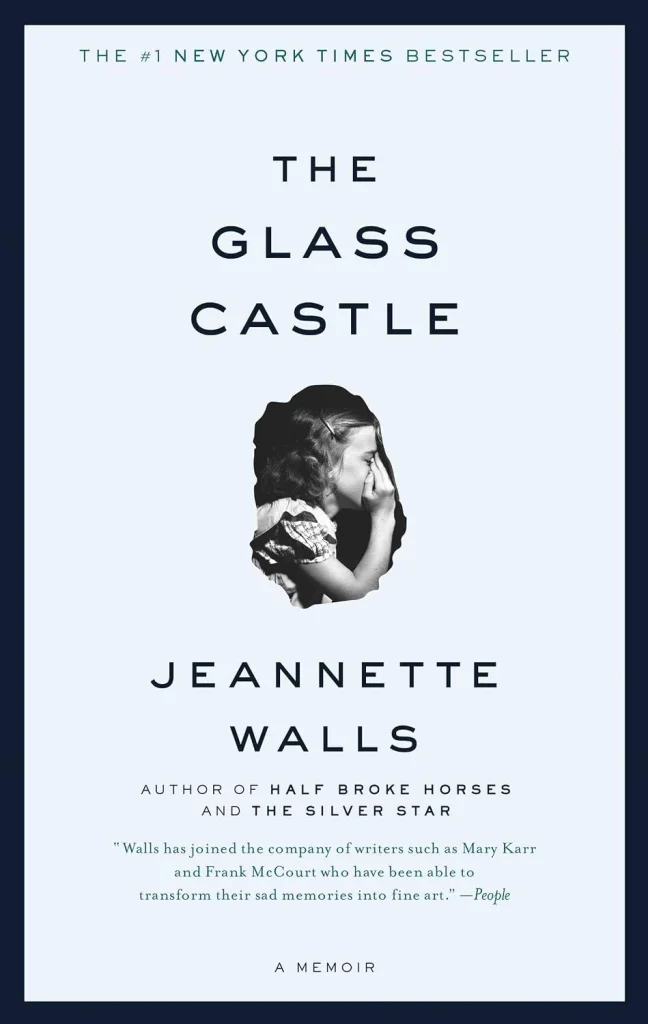
A Father You Root For, and Shouldn’t
Rex Walls is the engine of this book. He teaches his kids physics and geology. He promises a glass castle, a house of pure light, built with his own hands. Then he drinks, and the promises turn into something you’d rather not watch.
I kept waiting for Jeannette to give up on him. She never quite does. That refusal is the most unsettling thing here.
Her mother is quieter and, honestly, harder to forgive. When her daughter begs her to find work so the family can eat, she suggests Jeannette get a job instead. She has art to make.
What holds the memoir together is the sibling loyalty. Lori, Brian, Jeannette, and Maureen feed each other, cover for each other, and eventually plan an escape the way other kids plan a summer. Walls writes them with real affection and almost no sentimentality.
Why the Plainness Is the Point
The book’s core image is the glass castle itself: a structure of transparent walls that will never stand up. Rex draws the blueprints. The kids dig the foundation. Then the hole becomes the family garbage pit. That single object contains the whole story. A beautiful plan, a real excavation, and rot poured into the space where a home should go.
Walls matches her material with her style. Short scenes. Flat declarative sentences. No tears on the page. She reported her own childhood the way she later reported celebrity news, which sounds like a criticism but isn’t.
This is also where I got uncomfortable. A memoir about abuse that never raises its voice can start to feel like it’s protecting the abusers. One reader’s brother ended up treating this book as a lesson in gratitude. That worked. It also worries me.
What Stays With You Is the Loyalty
The Glass Castle will not give you a reckoning. If you want the scene where the daughter finally screams at her father, you’ll wait forever. Walls chose something stranger. She kept her parents human without pretending the damage wasn’t real.
Read it if you’re drawn to memoirs that trust you to supply your own anger. Skip it if you need catharsis spelled out on the page, or if stories of child neglect hit too close to home. There is no rescue scene coming.
What stays with me is the loyalty. Walls loved people who did not deserve it and refused to pretend otherwise. That’s harder than forgiveness. It’s accuracy.
“This is what I told myself. No one is perfect.”

