Do you ever lie awake at 2am replaying a conversation from three days ago? I do. For years, my mind treated bedtime as an invitation to review every mistake I had ever made. That is why I started hunting for books to help control your emotions. Not textbooks. Not clinical manuals. Real books that a tired person can actually finish.
This article is about three of them. I will tell you what each one does, how I used it, and what changed.
Why Does Trying to Control Emotions Make Them Louder?
Here is what I learned the hard way. The harder I tried to switch off my worry, the louder it got. I would tell myself “just stop thinking about it” and then think about it for another hour.
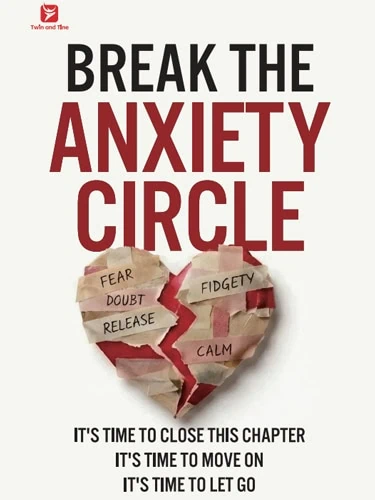
A friend handed me a book called Break the Anxiety Circle by Miles Carter. The subtitle says it is a mental reset for people trapped in the overthinking loop. That was me. Trapped in a loop.
What Is This Book About?
Break the Anxiety Circle covers a wide range of internal struggles, including anxiety, indecision, self-blame, and overthinking. What I appreciated most is that it offers practical, actionable solutions for each issue, not just abstract advice. I have read plenty of books that describe my problem beautifully and then leave me with nothing to do on a Tuesday night.
This one gave me something to do. It is filled with healing, thought-provoking quotes that help ease your inner turmoil, and I found myself copying lines into my phone notes. The book centers on self-growth. It touches self-love, reconciliation with the past, emotional regulation, living in the present, and setting healthy boundaries. Those last two were my weak spots.
The tone is straightforward and sincere. Carter shares real-life experiences and insights, paired with methods you can try the same day. It guides readers to let go of past regrets, break free from emotional chains, stop draining relationships, and accept an imperfect life. Whether you want to escape overthinking, build a stronger sense of self, improve relationships, or simply regain inner peace, this book offers direction. It teaches you to make peace with yourself and keep some order and calm in a complicated world.
Which Books Actually Help When Your Mind Won’t Slow Down?
Once I finished Carter’s book, I wanted more tools. Two others ended up on my shelf, and they serve different purposes.
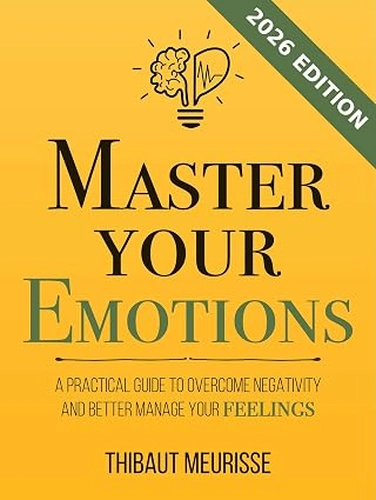
Master Your Emotions by Thibaut Meurisse is the practical workbook of the group. It has been revised and expanded, and over half a million readers have used it. The promise is simple. Make your emotions work for you, not against you. Do you feel like you are not good enough? Do you blame yourself for something from the past? Meurisse walks through the eight key factors that impact your emotions, a formula for rewiring your mood, and twenty-seven simple strategies for managing feelings.
I tried the strategy of naming my emotion out loud before reacting. It sounds strange. It works anyway. Saying “this is overwhelm” when my chest tightens shrinks the feeling. It gives it a name and a boundary.
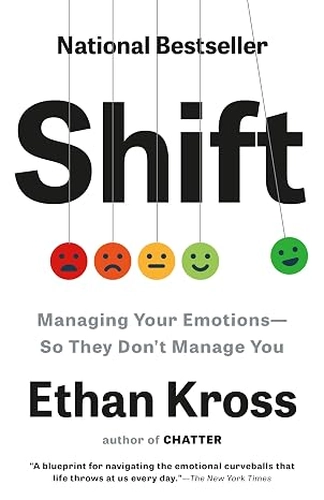
Shift by Ethan Kross takes a different angle. It is a myth-busting, science-based guide about managing your emotional life with tools you already have. Kross argues that emotions are information. When activated at the right moment, they work like an immune system, alerting you to what is happening and helping you choose a response.
The book dispels common myths, including the idea that avoidance is always harmful. It weaves research with real stories, like a mother whose fear led her to a split-second decision mid-flight that saved her daughter. I found the stories easier to remember than the theory. When I am in the middle of an emotional wave, I do not recall a study. I recall a story. That is what sticks.
Three Small Methods I Actually Used
Give the emotion a name. When my chest tightens, I say “this is overwhelm” out loud. Naming it shrinks it. Sounds strange. Works anyway.
The ten-minute rule. When I want to send an angry message or snap at someone, I wait ten minutes. Usually the urge fades. If it does not, the message probably needs sending, just more kindly.
Bedtime brain dump. I keep a small notebook by the bed. Anything looping in my head goes on paper. The page holds it so I do not have to.
Which One Should You Start With?
If you are drowning in overthinking and self-blame, start with Break the Anxiety Circle. It meets you where the noise is loudest.
If you want exercises and a step-by-step process, Master Your Emotions is the better fit.
If you prefer stories and science, pick up Shift.
You do not need all three at once. One book, one month, one small change.
Do you have twenty minutes tonight? That is enough to read the first chapter of any of them. That is how my own reset started. Not with a grand plan. With one chapter.

