When Your Mind Feels Full Before the Day Has Even Started
You wake up already thinking about what needs to be done. By the middle of the day, your attention is split between unfinished work, messages you need to answer, something you said yesterday, and several things that might go wrong tomorrow.
Mental overload is not always caused by a huge crisis. It can build from dozens of smaller demands competing for attention until your mind never really gets a chance to settle. Even when you finally have some free time, switching off can feel strangely difficult.
The three books below approach that experience from different directions. The first is especially relevant when mental overload comes from anxiety and repetitive thinking rather than a simple lack of time.
1. Break the Anxiety Circle by Miles Carter
Break the Anxiety Circle focuses on the mental patterns that can make a busy mind feel impossible to quiet. Its themes include anxiety loops, overthinking, emotional patterns, self-doubt, people pleasing, boundaries, regret, and letting go, all of which can contribute to the feeling that your mind is carrying too much at once.
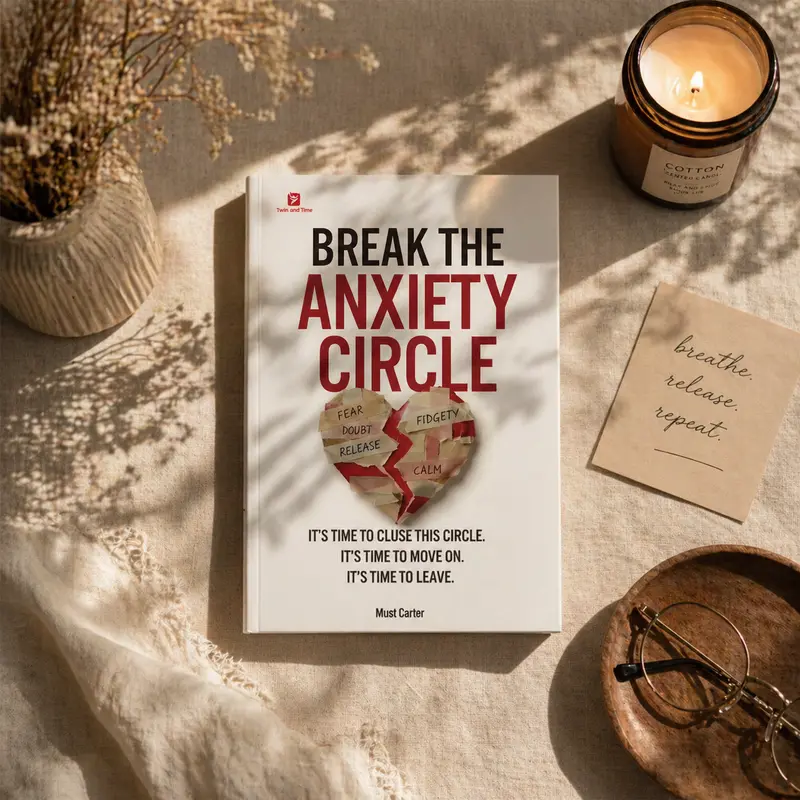
What makes this especially relevant to mental overload is the way these issues can feed one another. Worry about a future problem can trigger a search for reassurance. A difficult interaction can lead to replaying the conversation. Regret about the past can make you question your current decisions. By the end of the day, the problem may no longer be one particular concern but the sheer amount of mental activity surrounding it.
The book encourages readers to recognize these patterns earlier instead of waiting until their thoughts become overwhelming. Among its most useful areas are:
- Identifying the thoughts that keep returning: Recognize the recurring themes behind your mental clutter.
- Interrupting overthinking: Step away from repeated analysis when it stops producing anything useful.
- Creating distance from emotional reactions: Notice what you are feeling without letting the feeling dictate your next move.
- Reducing the pressure to please everyone: Stop adding other people’s expectations to an already overloaded mind.
- Letting old situations stay in the past: Learn when revisiting something is no longer helping you understand it.
The book is also helpful because it does not treat mental calm as simply having fewer things to do. Sometimes the calendar is not the main problem. Even when the day is relatively quiet, unresolved worry, self-doubt, and repeated mental checking can keep the brain in a state of constant activity.
For readers searching for books for calming mental overload, Break the Anxiety Circle offers a practical perspective on the emotional and psychological habits that can keep the mind crowded long after the original trigger is gone.

Break the Anxiety Circle
Miles CarterA mental reset for people trapped in the overthinking loop. Understand why your mind won’t stop racing — and how to break free from anxiety, people-pleasing, and emotional exhaustion.
2. The Power of Now by Eckhart Tolle
The Power of Now takes a more philosophical approach to mental overload, focusing on the way people become absorbed in thoughts about the past and future.
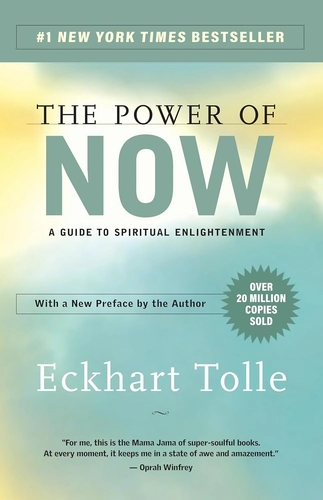
Its central idea is that the mind often creates additional suffering by constantly pulling attention away from the present moment. For someone whose mental overload comes from replaying old experiences or anticipating future problems, this perspective can provide a useful shift.
The book is less about specific daily techniques and more about changing your relationship with the constant stream of thoughts itself.
3. Chatter by Ethan Kross
Chatter looks at the internal conversations people have with themselves and what happens when that inner dialogue becomes repetitive, critical, or overwhelming.
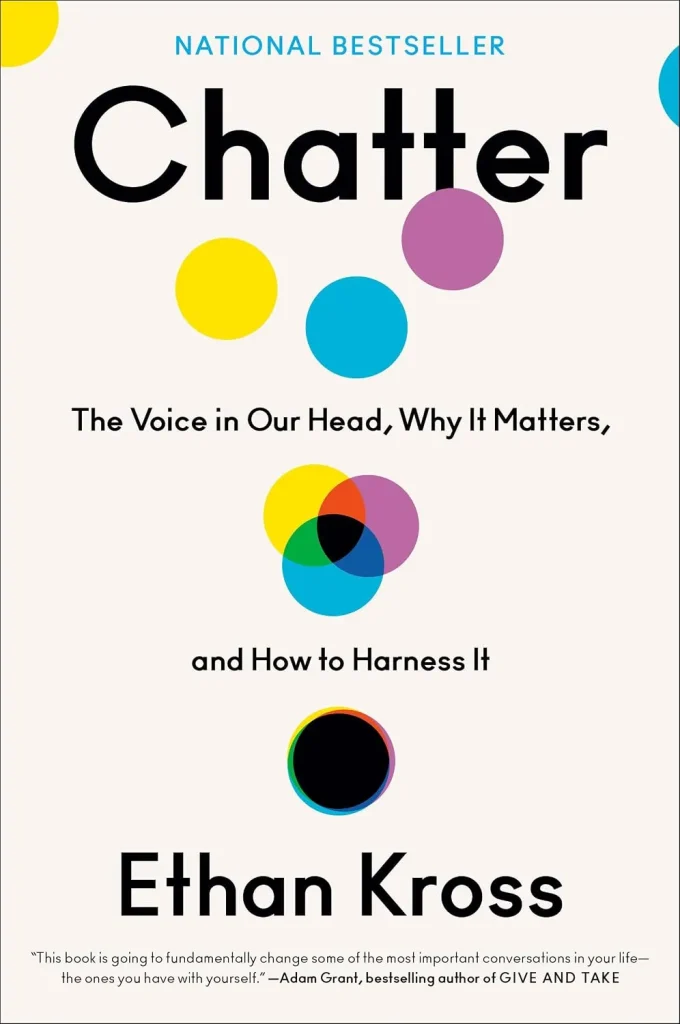
The book explores psychological strategies for creating more distance from unhelpful self-talk. That can be useful when mental overload comes less from external demands and more from the amount of commentary happening in your own head.
Its approach complements Break the Anxiety Circle well because both encourage readers to step back from automatic thought patterns rather than treating every thought as something that needs an immediate answer.
Mental Overload Does Not Always Need More Solutions
When your mind is overloaded, it is tempting to add more systems, more information, and more advice. Sometimes that simply gives your brain more material to process.
A quieter approach can begin with deciding what actually deserves your attention right now. Some thoughts require action, some require reflection, and others can be noticed without being followed.
That distinction is particularly useful when anxiety has made every thought feel urgent.
Create More Space Between a Thought and Your Response
You may not be able to prevent every stressful situation, but you can become more selective about what happens after the thought arrives. A concern can appear without automatically becoming an hour of analysis. A mistake can be remembered without immediately turning into self-criticism.
That is the kind of mental space these books approach from different angles. The Power of Now emphasizes presence, Chatter focuses on internal dialogue, and Break the Anxiety Circle examines the repeating emotional patterns that keep anxiety and overthinking reinforcing each other.
If you found this helpful, these books go deeper into the same themes.



Break the Anxiety Circle
$19.90

From Debt to Wealth
$19.90

