When a Conversation Keeps Stopping
You ask someone a question, they answer, and then you suddenly have no idea where to take the conversation. You think of something to say three seconds too late, or you start another question that feels completely unrelated to what they just told you.
This can happen even when you are genuinely interested in the other person. The problem is not necessarily a lack of things to talk about. It is often that you are thinking so hard about what to say next that you stop responding naturally to what is happening in front of you.
A conversation usually feels smooth when each person gives the other something to work with. When both sides are constantly searching for the “right” next sentence, the exchange can become stiff very quickly.

Why Do Some Conversations Feel So Forced?
One reason is that people often put too much weight on asking questions. They ask one thing after another because they have learned that keeping a conversation going means finding a new question every few seconds.
That can work for a while, but it does not create much room for an actual exchange. The other person answers, you acknowledge the answer, and then you move immediately to the next question.
Natural conversation has more movement. You can pick up on a detail, share something related, react to what the person said, and let the topic change when it naturally runs out.
Give Yourself More Than One Way to Respond
When you are not sure what to say next, you do not always need another question. You can respond in several different ways:
- Follow the detail: Ask about something specific they just mentioned.
- Add your own experience: Share a related story rather than making them do all the talking.
- Offer a reaction: A genuine opinion or observation gives the other person something to respond to.
- Shift gently: Move into a nearby topic instead of making a sudden subject change.
This makes conversation feel more like two people building something together rather than one person constantly trying to keep it alive.
Say It Right Every Time by Miles Carter
Say It Right Every Time approaches conversation as a practical skill, which makes it particularly relevant for people who struggle with awkward gaps or conversations that seem to lose momentum.
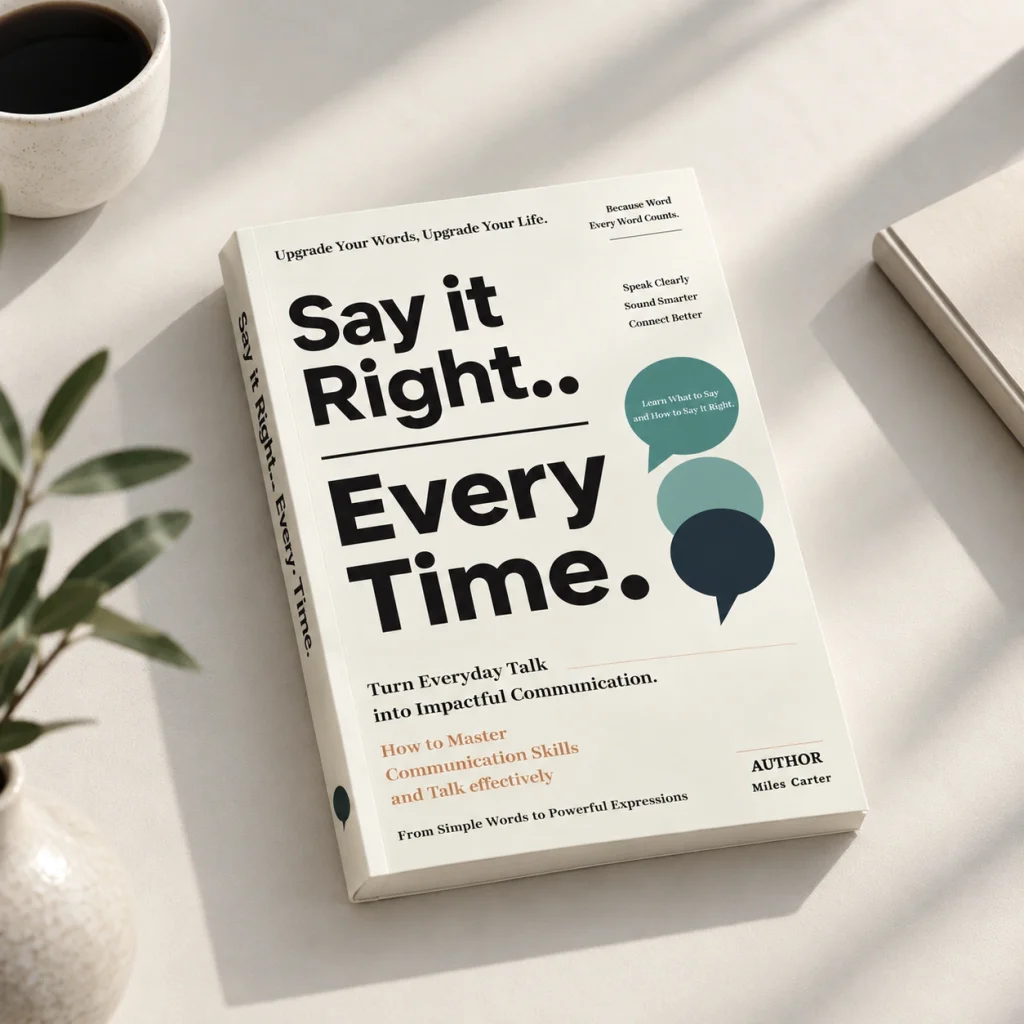
The book includes How to Start a Conversation with Anyone and How to Keep the Conversation Going (Even with Strangers). Those chapters address two related problems, but the second is especially useful when you can get through the opening introduction and then suddenly have no idea what comes next.
One of the book’s central ideas is learning to pay attention to what another person actually gives you. A small detail can become a question, a shared experience, or a completely new direction. When you learn to notice those openings, you do not have to prepare a list of topics in advance.
The book also explores The Echo Technique: How to Make Others Feel Deeply Understood. This is useful because conversation becomes easier when people feel heard. You are not trying to manufacture an impressive response; you are showing that you actually noticed something in what they said and giving them a chance to continue.

Say it Right..Every Time.
Miles CarterPractical communication tools for the moments that matter — say what you mean, calmly and confidently.
Another part of the book focuses on making someone feel great in seconds and responding to compliments in a way that connects. These may seem like small social situations, but they teach the same broader skill: responding to another person in a way that gives the interaction somewhere to go.
For readers searching for a book on making conversation flow naturally, Say It Right Every Time offers practical communication skills that can be used in ordinary conversations without relying on memorized scripts.
Stop Trying to Carry the Entire Conversation
A conversation becomes much harder when you believe it is your responsibility to keep it alive every second. You do not need to produce a new topic whenever there is a pause, and you do not need to make every answer entertaining.
Give the other person room to contribute. If they mention something interesting, stay with it for another minute instead of rushing toward the next subject.
The more comfortable you become with that back-and-forth rhythm, the less you will notice those small gaps that once felt so awkward.
A Natural Conversation Can Still Be Quiet
People sometimes assume that a good conversation has constant energy. In reality, natural conversations have pauses, short answers, changes of topic, and moments when both people are simply thinking.
The difference is whether the silence feels like something you have failed to fix. Once you stop judging every pause, you can respond when you actually have something meaningful to add.
That is one reason communication skills can make social interactions feel easier. You are no longer trying to control every second.
Let the Conversation Develop Instead of Forcing It
You cannot guarantee that every conversation will be interesting. Sometimes two people simply do not have much to say, and sometimes an interaction ends after a few minutes.
What you can develop is the ability to notice openings, respond naturally, and contribute without constantly editing yourself. Say It Right Every Time gives readers a practical framework for doing exactly that.
Did this article help you see things differently? Our books turn helpful ideas into practical tools you can return to anytime.



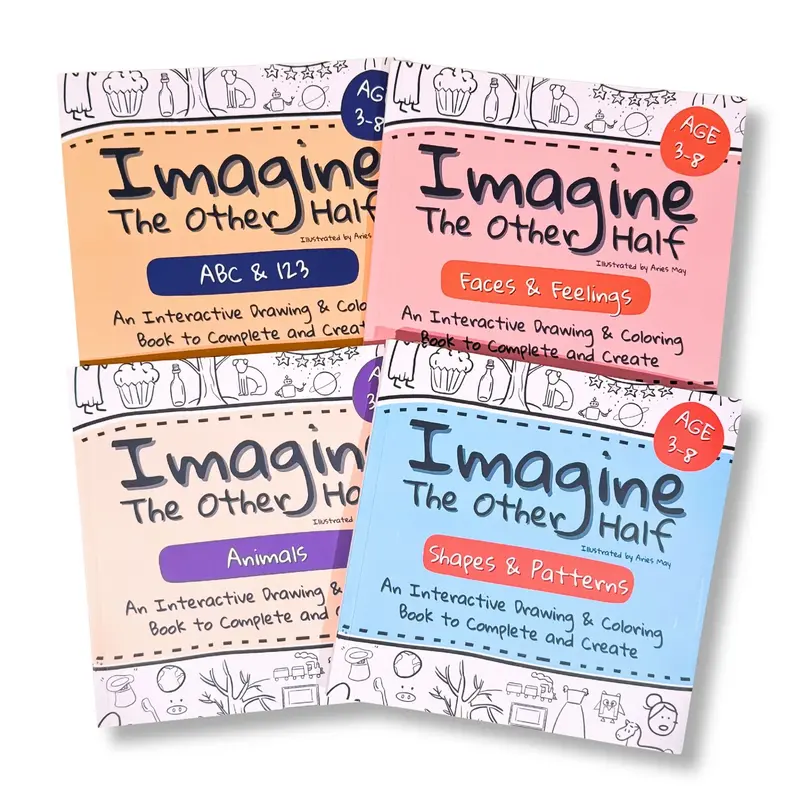
Imagine The Other Half
$24.99

