Why “Natural” Conversation Is a Skill
Some people seem to move through conversations without thinking much about what to say next. They can meet someone new, respond to an unexpected comment, shift topics, and keep the interaction comfortable without making it look like work.
That ease can be misleading. What looks effortless often comes from a collection of small communication skills: knowing how to open a conversation, listening closely, responding to details, and feeling comfortable enough not to rehearse every sentence.
For people who tend to overthink social situations, books for natural conversation skills can provide something useful to practice instead of simply telling them to “be more confident.”

What Makes a Conversation Feel Natural?
A natural conversation is usually not perfectly balanced or carefully planned. One person talks a little more, the topic changes unexpectedly, somebody tells a short story, and a simple comment leads somewhere neither person expected.
Some habits make that easier:
- Listen for something specific rather than waiting for your turn to speak.
- Respond to the person’s actual words instead of relying on prepared questions.
- Share enough about yourself to give the other person something to work with.
- Do not treat every pause as evidence that the conversation is going badly.
Those habits can make a bigger difference than trying to memorize clever conversation starters.
1. Say It Right Every Time by Miles Carter
Say It Right Every Time is a strong fit for this topic because the book covers many of the small communication skills that make everyday conversation feel less forced.
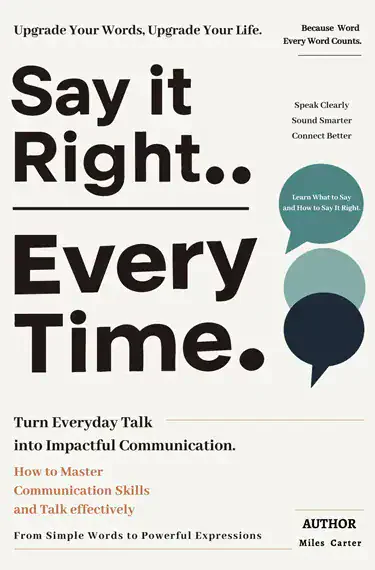
The chapters How to Start a Conversation with Anyone and How to Keep the Conversation Going (Even with Strangers) address the two points where many people struggle. Starting requires enough confidence to make the first move, while continuing requires enough awareness to notice where the conversation can naturally go next.
The book’s Echo Technique also plays an important role. Making another person feel understood can be surprisingly simple when you learn to pick up on what they have actually said instead of immediately planning your next question. That creates a more genuine rhythm because the response comes from the conversation itself.
Another useful area is How to Respond to Compliments in a Way That Connects. A compliment is a very small interaction, but it can easily become awkward when someone does not know how to respond. The book uses these everyday moments to show how better responses can make communication feel warmer and more natural.
The same applies when conversations become less comfortable. Say It Right Every Time covers Never Have Awkward Conversations Again, Responding Without Losing Your Cool, and Strategic Pausing, giving readers tools for moments when they cannot rely on an easy topic or a predictable response.

Say it Right..Every Time.
Miles CarterPractical communication tools for the moments that matter — say what you mean, calmly and confidently.
Its broader communication chapters also cover expressing honest opinions, speaking with credibility, sharing ideas so others listen, and owning your voice instead of constantly adjusting yourself to please others. That matters because natural conversation is not only about casual talk. You also need to feel comfortable expressing what you actually think.
For readers searching for books for natural conversation skills, Say It Right Every Time offers a broad set of practical skills that can be applied across casual, social, and professional interactions.
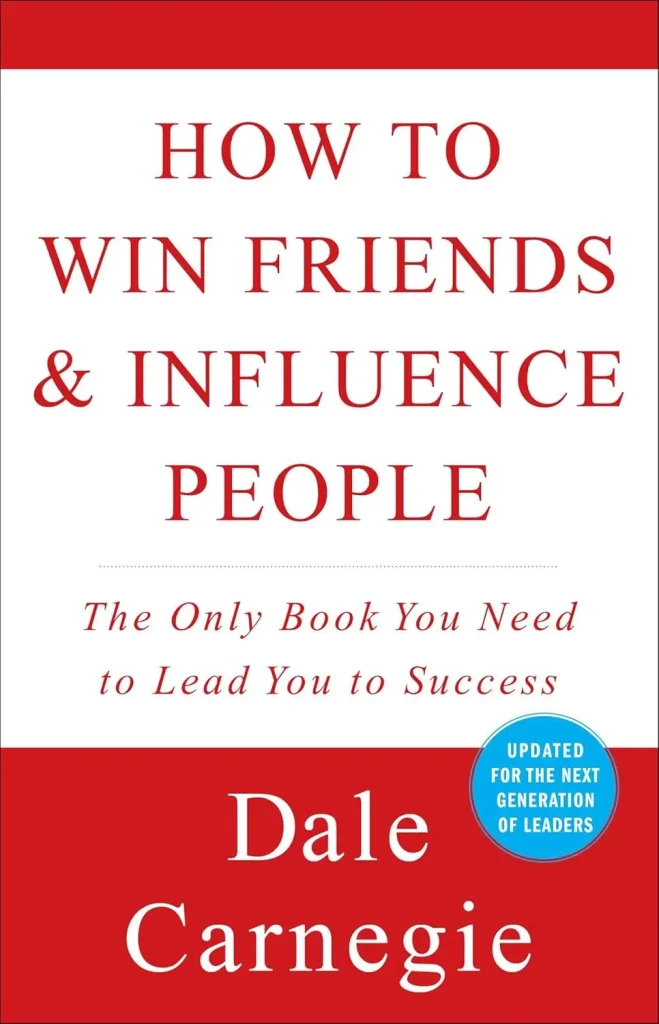
2. How to Win Friends and Influence People by Dale Carnegie
How to Win Friends and Influence People takes a classic approach to interpersonal communication. Its advice emphasizes showing genuine interest, listening carefully, avoiding unnecessary criticism, and making other people feel important.
That can help readers who are overly focused on their own performance during conversations. When your attention shifts toward understanding the other person, you naturally have more to respond to and less reason to monitor every sentence you say.
The book is broader than conversation technique alone, but many of its ideas translate well into everyday interactions.
3. How to Talk to Anyone by Leil Lowndes
How to Talk to Anyone focuses more directly on social interaction and the small behaviors that can make people feel comfortable when meeting and talking with others.
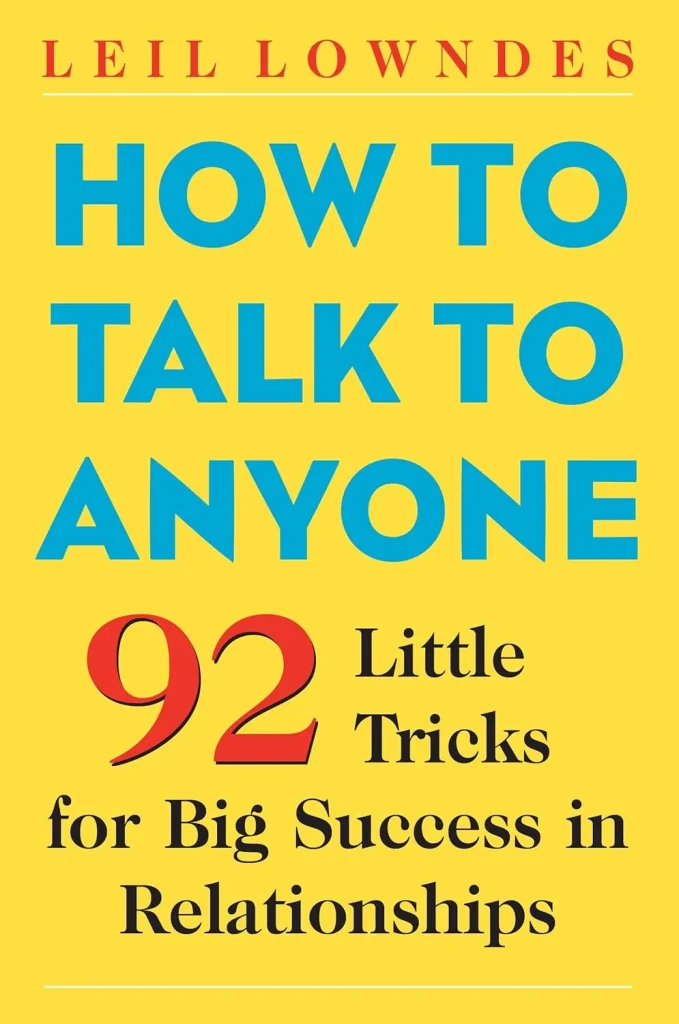
Its practical approach can be useful for readers who want concrete ideas rather than a purely psychological explanation of social confidence. The book covers starting conversations, making connections, and handling everyday social encounters with more ease.
It works particularly well as a companion to Say It Right Every Time because the two books approach natural interaction from somewhat different angles.
Natural Conversation Starts With Listening
One of the easiest ways to make conversation feel more natural is to stop trying so hard to come up with something impressive. Pay attention to what the other person just said, especially the detail they seemed most interested in.
That detail is often enough to keep the interaction moving. You do not need a perfect transition when the next topic is already sitting inside the previous sentence.
Say It Right Every Time puts considerable attention on this kind of responsive communication because people generally feel more comfortable when they sense that the conversation is actually being shared.
You Do Not Have to Become an Extrovert
Better conversation skills do not require a completely different personality. Someone who is naturally quiet can become much more comfortable socially without turning into the most talkative person in the room.
The useful change is usually smaller. You hesitate less before speaking, recover more easily from an awkward moment, and stop assuming that every conversation needs to go perfectly.
That is a much more realistic definition of social confidence.
Three Books for More Natural Everyday Interaction
Say It Right Every Time covers conversation from a broad practical perspective, including starting discussions, keeping them moving, listening, responding, expressing opinions, and staying composed when interactions become difficult. How to Win Friends and Influence People focuses more on interpersonal connection, while How to Talk to Anyone offers practical strategies for everyday social situations.
For readers looking for books for natural conversation skills, the most useful ideas are usually the ones that can be put into practice immediately. You do not need to transform your personality; you need enough communication skill and self-trust to stop treating every conversation like a performance.
Did this article help you see things differently? Our books turn helpful ideas into practical tools you can return to anytime.



Imagine The Other Half
$24.99

