Understanding Human Nature and Behavior
You have been there. Someone seems friendly, then stabs you in the back. Someone promises to change, then repeats the same mistake. Someone says they care, but their actions say otherwise. And you are left wondering, why did I not see this coming?
Here is the truth. People are not mysterious. They are complex. And most of us were never taught how to read the signals. We take words at face value. We ignore the small cues. Then we get surprised.
Quick answer: How do I understand why people behave the way they do?
You stop only listening to words, start watching patterns and body language, and learn what human nature actually looks like beneath the surface.
Here are three books on human nature and behavior. One teaches you to read body language and hidden intentions in real time. One explores what makes humans unique as self-conscious persons. One examines how our behavior and character shape society, and how society shapes us back.
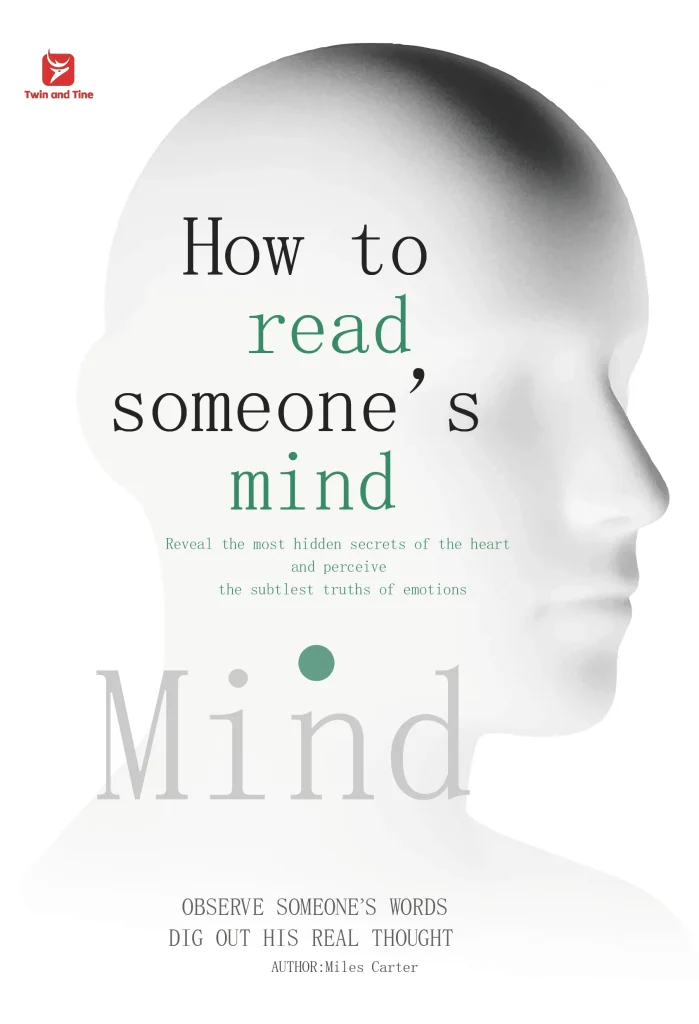
How to Read Someone’s Mind
Why do I always notice the warning signs too late?
This book by Miles Carter is built for that question. The one you ask after you realize someone was not who you thought they were.
What makes this book different:
Most books about human nature are abstract. Philosophy. Theory. This one is practical. It shows you what to actually look for. Body language. Tone. Facial expressions. Posture. Habits. Repeated behavior.
What you get:
| What you learn | Why it matters |
|---|---|
| Reading body language and nonverbal cues | You notice what people do not say |
| Spotting hidden emotions and shifting intentions | You sense when something feels off |
| Recognizing recurring behavior and personality patterns | You see people clearly over time |
| Communicating more effectively | You respond instead of react |
| Making better judgments about trust and boundaries | You avoid people who are not good for you |
The book covers emotions like anger, jealousy, anxiety, and insecurity. It shows how these show up physically. It also breaks down personality types, from the overly cautious to the dominant to the emotionally immature.
Best for: Anyone who has ever thought, “Something felt off. I just wish I had noticed it sooner.”
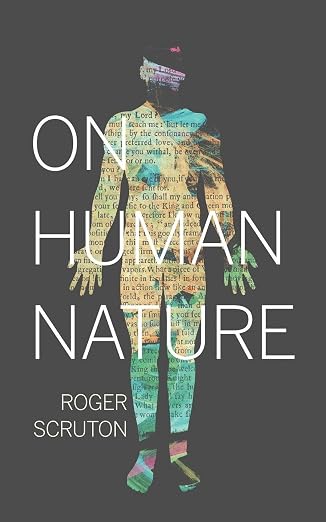
On Human Nature
A brief, radical defense of human uniqueness.
Roger Scruton was a philosopher. This short book is his answer to the question, what makes humans different from other animals?
What makes this book different:
Scruton pushes back against the idea that we are just biological machines. He argues that we are persons, not just organisms. We have self-consciousness. We can say “I.” We have obligations and rights. We create meaning.
What you get:
- A defense of human uniqueness against materialist philosophy
- How self-consciousness shapes our emotions, interests, and relations
- Why we are bound to each other by obligations and rights
- A new way to understand how self-awareness affects how we should live
The book ranges across intellectual history, from Plato to Darwin to Wittgenstein. It is not light reading. But it is rewarding.
Best for: Anyone who wants to think deeply about what it means to be human.
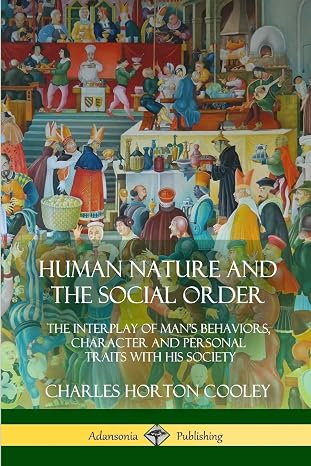
Human Nature and the Social Order
The interplay of behavior, character, and society.
Charles Horton Cooley was a sociologist. This book is his classic exploration of how humans interact and socialize with one another.
What makes this book different:
Cooley wants to understand how we come to define ourselves. How do we form our sense of self? How does society shape us, and how do we shape society back?
What you get:
- How humans come to interact and socialize
- How we arrive at a definition of ourselves that fits our well-being and that of others
- Discussions of leadership, moral compass, conscience, and freedom
- A balanced look at what civilized society requires from us
The book straddles philosophy, psychology, and sociology. It is dense. But if you want to understand how individuals and societies shape each other, it is worth the effort.
Best for: Anyone interested in the bigger picture of how humans organize themselves.
Which Book Should You Read First?
If you want to read people more accurately right now, start with How to Read Someone’s Mind. It gives you practical tools for everyday situations.
If you want to think deeply about what makes us human, pick up On Human Nature. It challenges how you see yourself and others.
If you want to understand how individuals and society shape each other, go with Human Nature and the Social Order. It gives you the bigger picture.
Many people read all three. Each one offers something the others do not.
Final Thought
Understanding human nature is not about becoming suspicious of everyone. It is about seeing clearly. People are complicated. They can be kind and selfish in the same hour. They can mean what they say and still act against it.
The more you understand, the less you get surprised. And the better you can respond when someone shows you who they really are.
Start with one book. Try one technique. See what happens.
Frequently Asked Questions
Can I really learn to read people better?
Yes. It is a skill. How to Read Someone’s Mind gives you concrete signals to watch for and practice.
Is this about manipulation?
No. It is about understanding. When you understand what people are really feeling and thinking, you can respond better. You can build stronger connections. You can avoid people who are not good for you.
Which book is best for workplace situations?
How to Read Someone’s Mind has specific sections on workplace dynamics. Human Nature and the Social Order helps you understand group behavior.
Do I need a philosophy or sociology background?
No. How to Read Someone’s Mind is written for general readers. On Human Nature and Human Nature and the Social Order are more academic, but still accessible.

