Insecurity doesn’t announce itself. It hides behind confidence. Behind loudness. Behind the person who talks the most, jokes the hardest, or criticizes everyone else before anyone can look too closely at them.
You’ve met people like this. Maybe you’ve been one. The coworker who dominates every meeting but falls apart when challenged. The friend who brags constantly but goes quiet when someone else succeeds.
Insecurity is rarely visible directly. It shows up in the edges.
Book 1: How to Read Someone’s Mind by Miles Carter

Insecurity leaks through the body long before anyone admits to feeling it.
The forced smile that doesn’t reach the eyes. The nervous laugh at the wrong moment. The way someone’s posture shifts when a certain name comes up. These aren’t random habits. They’re self-soothing behaviors the nervous system triggers when someone feels exposed.
This book teaches you to spot those signals as they happen. Once you can tell the difference between real confidence and performance, you can’t stop noticing who’s faking it.

How to Read Someone’s Mind
Miles CarterPractical tools for reading body language, tone, and hidden intentions in real time. Spot what people aren’t saying — before you trust the wrong person.
Book 2: The Gifts of Imperfection by Brené Brown
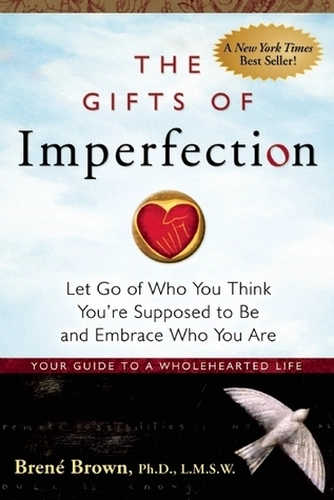
This book explains why insecurity exists in the first place.
Brown’s research on shame and vulnerability shows that insecurity isn’t a personal failing. It’s a universal human experience. Everyone feels it. The difference is how people respond. Some hide. Some overcompensate. Some spend their whole lives proving they’re enough.
You’ll learn how shame operates, why people develop protective behaviors, and what it looks like when someone is trying to outrun their own self-doubt. The book doesn’t just help you spot insecurity in others. It helps you understand your own.
Book 3: Quiet by Susan Cain
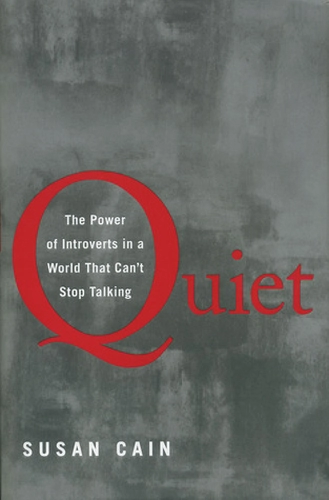
This book shows how insecurity gets misread, especially in introverts.
Cain argues that some people who appear insecure are simply introverted. They don’t dominate conversations, they don’t seek attention, they don’t perform confidence in the way our culture rewards. But they’re not insecure. They’re wired differently.
The book helps you tell the difference between someone who is quiet because they’re afraid and someone who is quiet because they prefer it. Understanding this prevents you from misreading people and from projecting your own assumptions onto their behavior.
What You’ll Start Noticing
You’ll catch the moment someone’s confidence cracks. The bragging that goes a little too far. The criticism that lands a little too hard. The person who can’t handle being wrong because their entire identity depends on being right.
The Gifts of Imperfection explains where insecurity comes from. Quiet shows you how it gets misread. But How to Read Someone’s Mind is where you learn to see it happening in real time.
You don’t need to diagnose anyone. You just need to see clearly.
If you found this helpful, these books go deeper into the same themes.



Break the Anxiety Circle
$19.90

From Debt to Wealth
$19.90

