I read most of this book in the twenty minutes before sleep, phone brightness turned down, one thumb scrolling. Not ideal for numbers. The mortgage math blurred. But that’s where I was when I started, and it’s where a lot of people start: tired, curious, and slightly desperate.
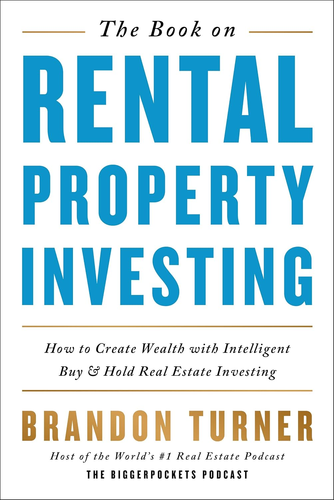
The Book on Rental Property Investing by Brandon Turner is a thick, careful manual for buying and holding residential rentals. Turner is a longtime host of the BiggerPockets Podcast, and the book carries that show’s tone. Friendly. Blunt. Slightly obsessed with spreadsheets. It walks a beginner from “why rentals at all” through analyzing deals, financing, negotiating offers, screening tenants, and eventually exiting.
Here’s my central argument, stated plainly and then tested for the rest of this review: this book’s real value isn’t the wealth it promises. It’s the patience it forces on you.

Turner’s core claim is that rentals build wealth through four engines. Appreciation, cash flow, tax savings, and loan paydown. He’s honest that appreciation can vanish, that 2007 happened, and that anyone counting on rising prices is gambling. Cash flow is the engine he actually trusts.
Does the book deliver on that patience thesis? Mostly yes.
The Brake, Not the Accelerator
Chapter 5, on analyzing a rental, is the spine. Turner walks through every expense a beginner forgets. Vacancy. Repairs. CapEx, the big-ticket replacements like roofs and HVAC systems, averaged across their lifespan. Then he gives two shortcuts: the 50% rule, where expenses eat about half the income before the mortgage, and the 2% rule, where monthly rent should hit 2% of the purchase price.
Those rules are deliberately loose. He says so. What they actually do is slow you down. A deal that looks great on a Saturday afternoon looks much worse after you’ve run the numbers, and that’s the point. The book functions as a brake, not an accelerator.
My bias, stated upfront: I came in skeptical. Real estate books in this genre often spend seven pages selling you a course for every one page of substance. This one mostly doesn’t. It teaches.
The House Nobody Wants
The image that stayed with me: Turner describing how to spot a distressed property while driving for dollars. Tall grass. An overfilled mailbox. A tarp on the roof. Small, physical clues that a house has been abandoned by its owner but not yet by the market.
That image matters because it reframes the whole book. You’re not buying buildings. You’re buying situations other people walked away from, and your job is to figure out why they walked, and whether the reason is fixable. A bad roof is fixable. A bad neighborhood usually isn’t. Turner lists foundation problems and shared driveways as deal killers, and you can feel years of expensive lessons behind that short list.
The deeper pattern is about attention. Every chapter asks the same question in different clothes: did you actually look? At the numbers, the neighborhood, the tenant, the lease. Wealth here is a byproduct of looking carefully, repeatedly, for a long time.
What You Actually Gain
Complete beginners who want one organized starting point should read this. So should small landlords who already own a property or two and suspect they’re doing it sloppily. But if you want advanced commercial strategies, or you’re outside the US without patience for translating the tax sections, or you’re hoping for a fast path to quitting your job, look elsewhere.
What you actually gain is a checklist mindset and a healthy fear of your own optimism. That’s worth more than most people admit.
This book won’t make you rich. It will make you slower, and slower is the only version of this that survives a bad market. Isn’t that the real question every beginner should be asking before they buy anything at all?

