When a Small Setback Feels Huge to a Child
Your child is working on something and cannot get it right. After a few attempts, the pencil gets thrown across the room, tears start coming, and suddenly the child insists they are never doing it again.
For a parent, the reaction can seem much bigger than the original problem. But children are still learning what to do when things do not go their way, and frustration can feel overwhelming when they have not yet developed the skills to manage it.
The challenge is knowing when to step in. You want to help without immediately fixing everything, calm the situation without dismissing the child’s feelings, and keep a reasonable boundary without making the frustration even bigger.
Frustration Is Part of Learning
Children will encounter situations they cannot solve immediately. They may lose a game, struggle with homework, fail to master a new skill, have a disagreement with a friend, or hear an answer they do not like.
If parents step in every time frustration appears, children may get short-term relief without learning what to do with the feeling. On the other hand, telling a frustrated child to simply “try harder” or “stop complaining” does not teach them how to manage the emotion either.
A useful middle ground is to acknowledge the frustration while keeping the child involved in the problem.
What Can Parents Do in the Moment?
When frustration is rising, parents can keep the response fairly simple:
- Acknowledge what is happening. Let the child know you can see that they are frustrated.
- Avoid solving everything immediately. Give them a chance to think before taking over.
- Break the task down if necessary. A smaller next step can feel much more manageable than the whole problem.
- Keep the boundary clear. Being frustrated does not make rude or harmful behavior acceptable.
- Return to the problem later if emotions are too high. Not every lesson has to happen in the middle of the hardest moment.
The goal is not to remove frustration from a child’s life. It is to help them discover that frustration is uncomfortable but manageable.
1. The Parent You Aspire to Be by Miles Carter
The Parent You Aspire to Be looks at frustration through several of the everyday challenges parents already recognize: meltdowns, fear of failure, sensitivity, mistakes, confidence, emotional control, and difficulty accepting limits.

The book’s chapter on Children Learn Calm From Parents’ Behavior is particularly relevant. Children do not only learn emotional regulation from what parents tell them; they also observe what adults do when something goes wrong. A parent who can remain steady gives a child a model for handling frustration without immediately escalating.
The book also addresses highly sensitive children and emotional control, recognizing that some children react more strongly to setbacks than others. The goal is not to label the child as difficult, but to help parents understand what kind of support makes it easier for the child to regain control.
Its discussion of fear of failure and confidence is important too. Some frustration comes from wanting to succeed so badly that mistakes feel unbearable. When a child believes that getting something wrong means they are not good enough, even a normal challenge can become emotionally overwhelming.

The Parent You Aspire to Be
Miles CarterPractical guidance for tantrums, backtalk, lying, screen addiction, emotional outbursts, and everyday parenting struggles.
Another strong theme is independence. The book encourages parents not to overprotect or solve every problem on a child’s behalf. Allowing children to work through manageable difficulties gives them the experience of discovering that they can struggle, adjust, and eventually succeed.
For readers searching for books on helping kids manage frustration, The Parent You Aspire to Be offers a practical combination of emotional understanding, boundaries, confidence-building, and gradual independence.
2. The Whole-Brain Child by Daniel J. Siegel and Tina Payne Bryson
The Whole-Brain Child takes a developmental approach to children’s emotions and behavior. It helps parents understand why children can become overwhelmed and why their reactions may seem much stronger than the situation itself.
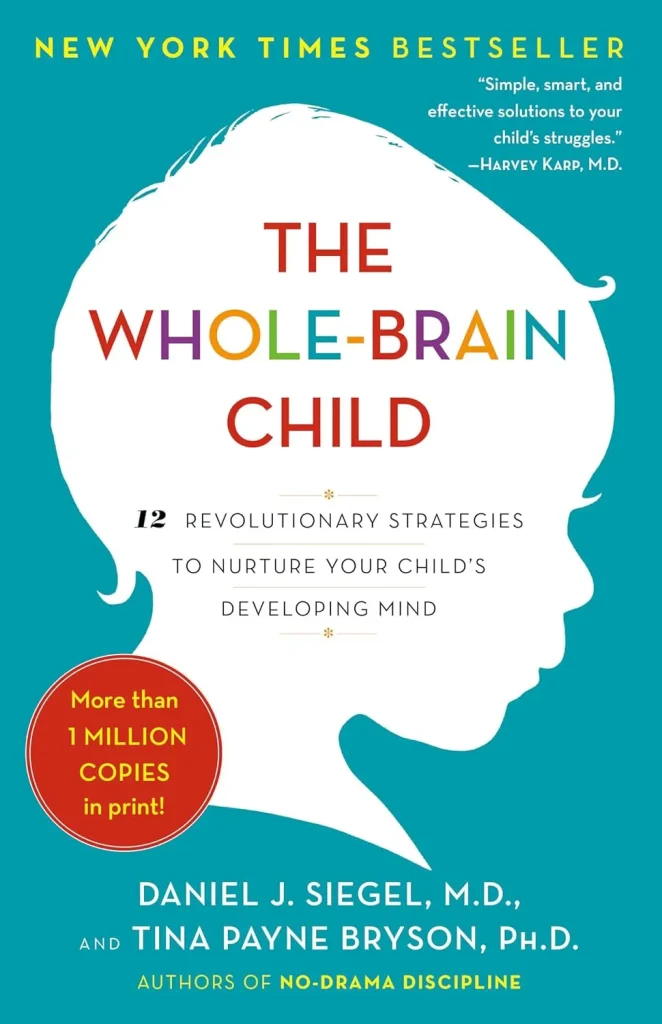
This perspective can be useful when a child has difficulty calming down after disappointment. Instead of treating the reaction as simple misbehavior, parents can consider what emotional skills the child is still developing.
The book offers strategies for helping children make sense of their feelings while gradually developing better emotional control.
3. How to Talk So Kids Will Listen & Listen So Kids Will Talk by Adele Faber and Elaine Mazlish
How to Talk So Kids Will Listen & Listen So Kids Will Talk focuses heavily on communication during difficult emotional moments. It encourages parents to acknowledge feelings without giving up necessary boundaries.
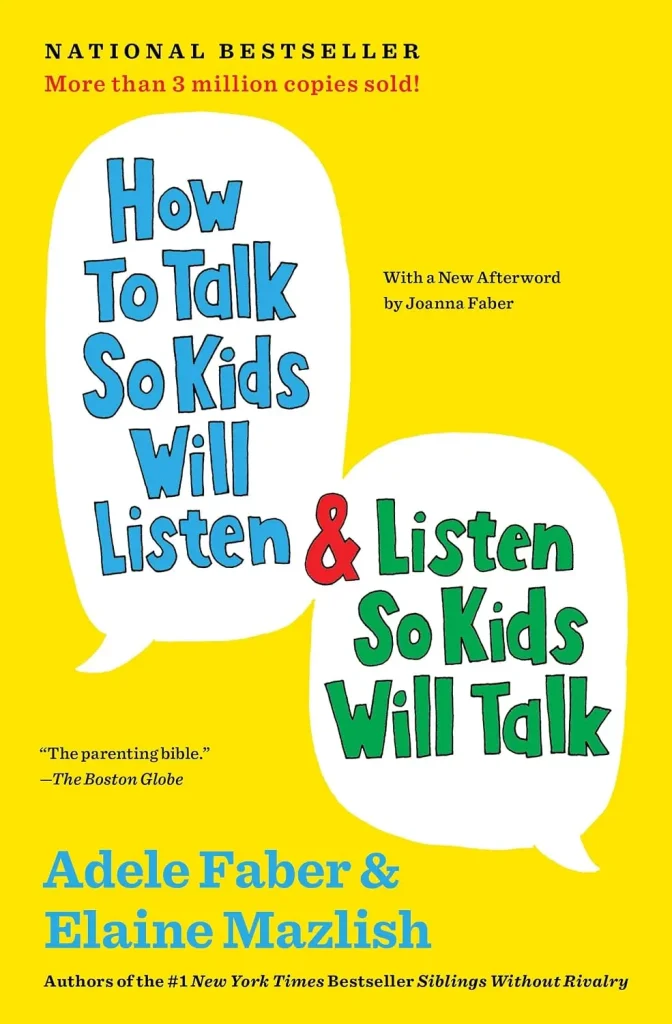
That can be particularly helpful when frustration comes with complaining, arguing, or refusal. Children are more likely to cooperate when they feel heard, even when the answer remains no.
The book gives parents practical language for handling those situations without turning every emotional reaction into another battle.
Frustration Builds Confidence When Children Get Through It
It can be difficult to watch a child struggle, especially when you know how to solve the problem quickly. But doing everything for them can send an unintended message that difficult situations are something they cannot handle alone.
Children need opportunities to discover that they can recover. They can try again, ask for help, take a break, change their approach, and return to the problem later.
The Parent You Aspire to Be repeatedly comes back to this balance between support and independence. Parents remain available, but children are given enough room to become capable.
The Goal Is Not a Child Who Never Gets Frustrated
A child who never struggles is not necessarily developing strong emotional skills. Frustration is part of learning, growing, and living with other people.
What matters is whether the child gradually becomes better at handling it. With consistent guidance, children can learn that disappointment is temporary, mistakes can be repaired, and difficulty does not mean they should give up immediately.

