Talking Is Easy. Actually Listening Is Harder.
Most people think of communication as a speaking skill. We worry about what to say, how to explain ourselves, and how to make our point clearly. But many everyday communication problems happen because nobody is really listening to what the other person is trying to say.
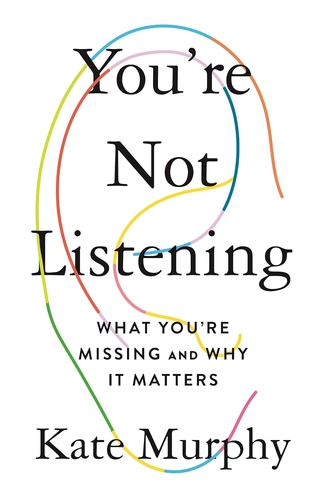
Kate Murphy’s You’re Not Listening looks closely at this overlooked part of communication. The book explores why people interrupt, mentally prepare their next response, lose attention, or turn another person’s story into an opportunity to talk about themselves.
The result is surprisingly relatable because these habits appear in conversations with partners, friends, coworkers, and family members.
Listening Is More Than Staying Quiet
Simply waiting for someone to finish speaking does not mean you are listening well. You may already be deciding what you want to say next, judging what they are telling you, or looking for a chance to correct them.
Good listening requires attention to the whole conversation. Tone, pauses, hesitation, changes in wording, and what someone avoids saying can all provide useful context.
This becomes especially important when someone is upset. They may not explain their feelings perfectly, but the way they speak can tell you that the real issue is deeper than the words on the surface.
Why People So Often Feel Misunderstood
One of the reasons communication breaks down is that people listen through their own experiences. We hear someone describe a problem and immediately think about a similar situation we had.
That can create a strange kind of disconnection. We believe we are relating to the other person, but the conversation has quietly shifted back to ourselves.
You’re Not Listening encourages readers to become more curious about the person in front of them. Instead of assuming you already understand, you can ask another question, stay with the story a little longer, and let the person explain what they actually mean.
That small change can make conversations feel completely different.
Silence Has a Place in Good Communication
Another interesting idea is that people often rush to fill silence. A pause can feel awkward, so we jump in with another question, a joke, an opinion, or a solution.
But silence can sometimes encourage people to continue. Someone may need a few seconds to decide what they really want to say, especially when the subject is emotional or difficult.
Being comfortable with a little silence can therefore make conversations less rushed and more honest.
Listening Can Improve More Than Relationships
The book is not only useful for personal relationships. Listening matters at work as well, especially when people are trying to solve problems or disagree about something.
A manager who listens carefully may notice concerns that employees never state directly. A coworker who actually pays attention may understand a problem before it turns into resentment. Even a simple conversation can become more productive when people stop preparing their response before the other person has finished.
Listening does not guarantee agreement. It simply gives everyone a better chance to understand what is actually being discussed.
What Makes You’re Not Listening Worth Reading?
The book’s biggest strength is that it takes a very ordinary behavior and examines it from several directions. It is not a traditional communication book that simply tells readers to “listen more.” Instead, it gets into why listening is difficult and what gets in the way.
That makes it particularly relevant for people who already know they want better communication but keep running into the same misunderstandings.
Who Should Read It?
This book may be useful for people who:
- Often feel misunderstood in conversations
- Interrupt or mentally rehearse responses
- Want stronger listening skills
- Struggle to communicate during emotional conversations
- Want better relationships with family or partners
- Need to communicate more effectively at work
Final Thoughts
You’re Not Listening is a useful reminder that communication is not just about expressing yourself well. A conversation can still fail when both people are focused on being heard but neither is paying enough attention to what the other person is actually saying.
For anyone interested in communication, relationships, or understanding people better, the book makes a strong case for slowing down and listening with more attention. Sometimes the most useful thing you can change in a conversation is not what you say next, but how carefully you hear what was just said.

