You Are Standing Right There, but You Do Not Know How to Step In
At a coworker’s birthday lunch, Mia was standing with three colleagues who were talking about a restaurant they had all tried. She knew the place too and actually had a funny story about it, but every time she thought about joining in, someone else started speaking.
By the time there was finally a pause, she had already convinced herself that it would be strange to suddenly say something. She smiled, listened for another few minutes, and eventually left without contributing at all.
Situations like this can be surprisingly frustrating. You are not necessarily shy, and you may even be comfortable talking one-on-one. The difficult part is finding a natural way into a conversation that has already started.

Joining a Conversation Is Different From Interrupting
One reason people hesitate is that they treat the two things as the same. They worry that speaking up will mean cutting someone off or forcing the group to make room for them.
In reality, most conversations have small openings. Someone finishes a point, another person laughs, the topic changes slightly, or somebody asks an open question. These moments give you a chance to contribute without taking over the discussion.
The trick is noticing the opening instead of waiting for a perfect invitation that may never come.
Look for Something You Can Add
You do not need a completely new topic to join a discussion. In fact, the easiest way in is often to connect yourself to what is already being said.
For example, if the group is talking about a trip, you might mention that you visited the same place. If they are discussing a new restaurant, you can share a quick experience rather than asking everyone to stop and listen to your story.
A useful approach is to think in terms of contribution rather than performance:
- Add a related experience.
- Respond to something someone just said.
- Ask a question that fits the existing topic.
- Offer a brief opinion rather than launching into a long story.
This makes the transition feel much more natural because you are extending the conversation rather than trying to replace it.
Say It Right Every Time by Miles Carter
Say It Right Every Time is closely connected to this problem because its communication advice is built around real social situations rather than formal speaking alone. The chapters How to Start a Conversation with Anyone and How to Keep the Conversation Going (Even with Strangers) are especially relevant when you are trying to become more comfortable entering and maintaining everyday conversations.
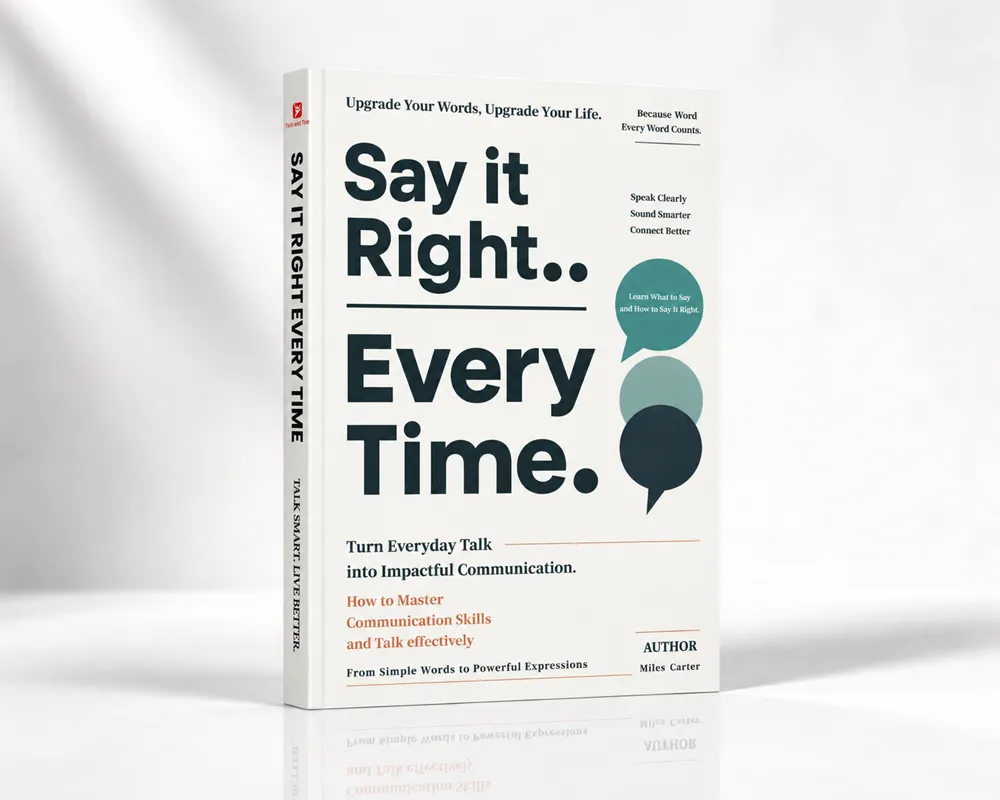
The book also emphasizes making other people feel understood. The Echo Technique is useful here because joining a conversation is not only about getting your own words in. Responding to what someone has just said shows that you are participating in the discussion rather than waiting for your turn to speak.
Another helpful idea is learning to read the flow of the interaction. Sometimes the best way to join is a short comment rather than a question or a full story. Once you are part of the exchange, the conversation itself gives you more opportunities to contribute.
This matters because many people make the process harder by planning too much in advance. They wait for exactly the right sentence, worry about how they will be received, and miss the ordinary openings that were already there.
For readers looking for a book on how to join conversations naturally, Say It Right Every Time provides practical communication skills for entering discussions without making the interaction feel forced.

Say it Right..Every Time.
Miles CarterPractical communication tools for the moments that matter — say what you mean, calmly and confidently.
You Do Not Need to Become the Most Talkative Person
Joining a conversation does not mean taking control of it. You can say one thing, listen for a while, and contribute again when something genuinely interests you.
That is often more comfortable than putting pressure on yourself to stay involved constantly. Good conversation has movement. Sometimes you speak, sometimes someone else does, and sometimes you simply listen.
Once you stop treating every pause as a missed opportunity, joining conversations becomes much easier.
Start Before You Feel Completely Ready
There may never be a moment when you feel 100 percent certain that your comment will land perfectly. Waiting for that certainty can keep you outside the conversation indefinitely.
A small contribution is enough. You can respond to a point, ask a relevant question, or mention a shared experience and then let the other people take it from there.
That is the real skill behind natural participation: not saying more, but becoming comfortable enough to step in when there is something worth adding.
Did this article help you see things differently? Our books turn helpful ideas into practical tools you can return to anytime.



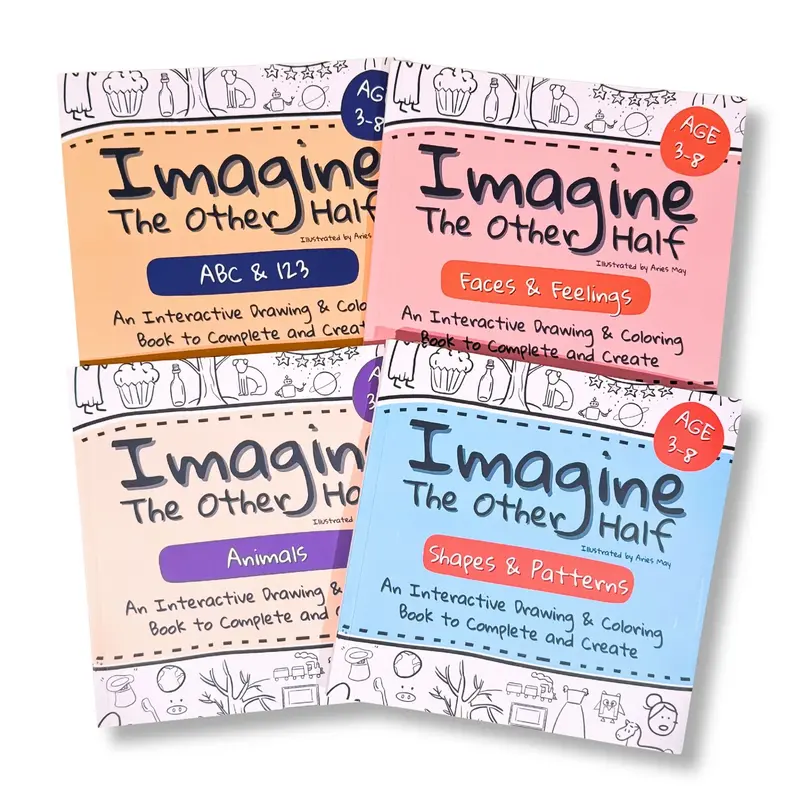
Imagine The Other Half
$24.99

