There’s a number you’ve calculated at some point. How much extra you’d need each month to stop worrying. A few hundred dollars. Maybe a thousand. Enough to cover the gap between what comes in and what goes out.
You’ve thought about ways to close it. Selling things. Freelancing. Starting something small on the side. But every idea comes with a reason it won’t work, and the number stays the same.
The obstacle isn’t a lack of options. There are more ways to earn extra money now than at any point in history. The obstacle is that no one taught you how to turn a skill, an hour, or an idea into actual income.
Book 1: From Debt to Wealth by Owen Pierce
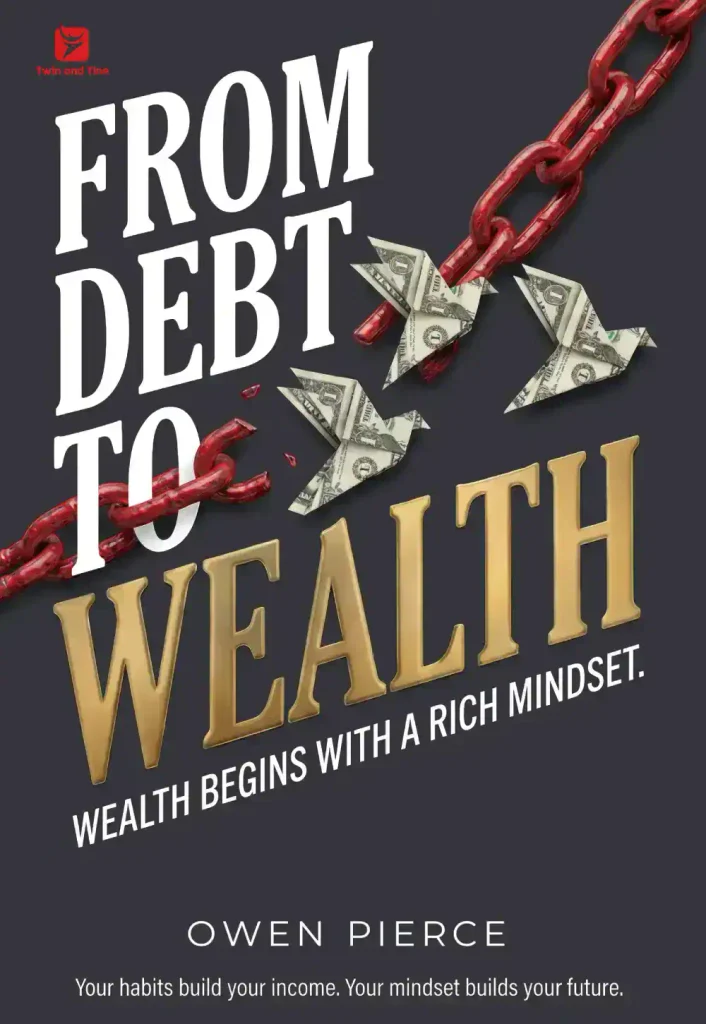
Extra money doesn’t fix anything if the system underneath stays the same.
You’ve probably earned more before and watched it disappear anyway. A raise, a bonus, a good month. The money arrived, and within weeks, nothing had changed. This book explains why that happens, and why most people keep repeating it no matter how much they earn.
You’ll learn why skills come first and money second. Why earning is about leveraging resources, not burning yourself out. Why money flows to the person who removes the most friction, not the one who works the longest hours.
The shift described here isn’t about finding another source of income. It’s about understanding why the income you already have never accumulates, and what actually changes that.

From Debt to Wealth
Owen PierceYour paycheck comes in. The bills go out. And somehow, you’re back at zero again.
Learn why earning more does not always create financial progress—and what has to change before your money starts working differently.
Book 2: The E-Myth Revisited by Michael Gerber
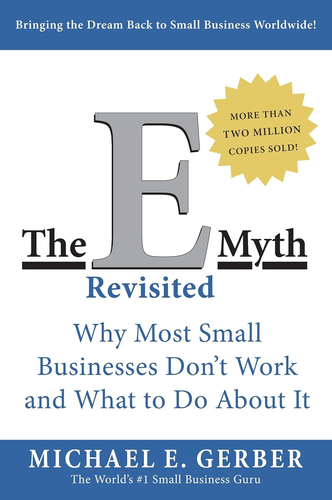
This book explains why most people who try to earn extra money end up creating another job for themselves.
Gerber, a small business consultant, identified a pattern he called the entrepreneurial myth. Someone good at a skill decides to turn it into income. They launch, they hustle, and within a year they’re exhausted, working more hours than before, with less freedom than they started with.
The problem is a confusion of roles. You need to work on the business, not just in it. Building systems, documenting processes, creating something that doesn’t depend entirely on your personal effort. Otherwise you’ve just traded one job for a harder one.
You’ll learn how to think about your side income as something that can run without you, which is the only version that actually creates freedom.
Book 3: Profit First by Mike Michalowicz
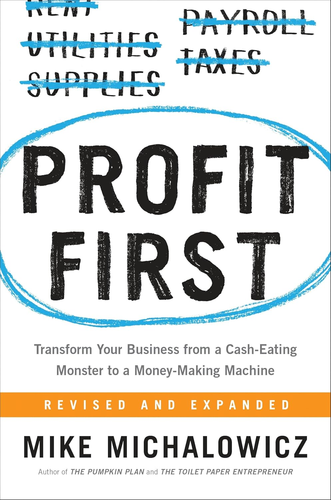
This book changes the order in which money gets handled.
Most people earn, spend, and then hope something is left over. Michalowicz flips the sequence. Take profit first, allocate it immediately, and run the rest of your finances on what remains. The principle applies to a business and to a side income, and it works because it removes the decision from the moment.
You’ll learn how to structure your accounts so that extra money becomes invisible before you can spend it. How to build the habit of keeping rather than hoping. And why the amount of money you earn matters far less than the system that receives it.
What You Do Next
You can keep looking for another way to earn. Another idea, another platform, another method. And you might find something that works for a month or two before it fades.
Or you can change how you think about money itself, which is slower at first and permanent afterward. The books above each tackle a different part of that change. One shows you the mental structure. One shows you the operational structure. One shows you where the money goes before it disappears.
The extra income you’re looking for probably won’t come from a new opportunity. It will come from finally keeping what you earn.
Did this article help you see things differently? Our books turn helpful ideas into practical tools you can return to anytime.



Break the Anxiety Circle
$19.90
From Debt to Wealth
$19.90


