The Morning That Fell Apart Before Breakfast
At 7:20 on a school morning, Emily asked her eight-year-old to get dressed. He kept looking for a missing shirt, then complained that breakfast was wrong, then refused to put on his shoes. By the time they finally reached the door, Emily was already raising her voice.
Nothing about the morning was unusual. That was the problem. When the same small conflicts happen every day, parents can become exhausted by the repetition rather than by any single difficult moment.
Calmer parenting is not about having children who never complain or resist. It is about changing the patterns that make ordinary family problems escalate into arguments, shouting, and frustration.

What Actually Makes Parenting Feel Calmer?
A peaceful home does not need fewer rules. Children often do better when expectations are clear and predictable, but the way those expectations are communicated matters just as much.
Parents also need to know when to step in and when to let children handle something themselves. Constant reminders and corrections may seem helpful in the moment, but they can create more resistance over time while leaving parents mentally exhausted.
These three books approach calmer parenting from different directions, making them useful for different kinds of family struggles.
1. The Parent You Aspire to Be by Miles Carter
The Parent You Aspire to Be focuses on the situations that tend to make everyday parenting difficult: meltdowns, refusal to study, procrastination, rude language, lying, picky eating, fear of failure, constant correction, overreminding, and overprotecting.
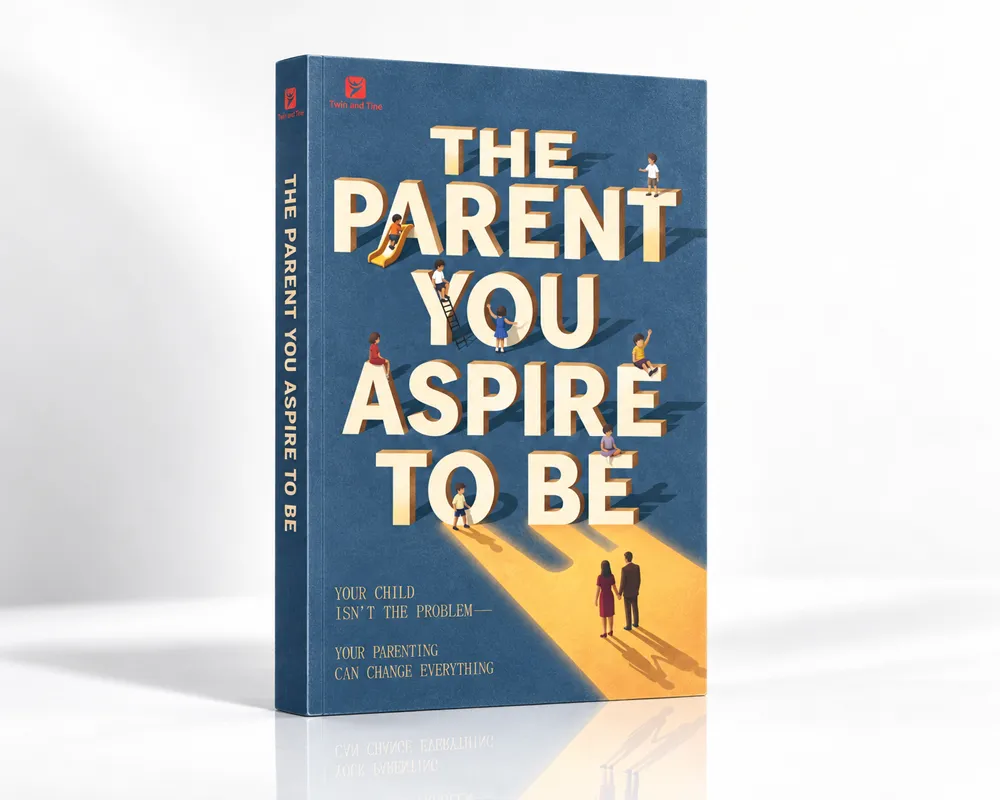
What makes the book particularly relevant to calmer parenting is its attention to the interaction between the child’s behavior and the parent’s response. When a child refuses to cooperate, it is easy to increase pressure with another reminder, then another, until both sides are frustrated. The book encourages parents to look at whether that approach is actually helping.
Its section on firm and kind boundaries is especially useful for parents who feel stuck between being too strict and giving in too easily. A child can be upset with a rule while the parent still keeps the rule in place. That combination of warmth and consistency can reduce the need for repeated arguments.
The book also addresses parental anxiety and emotional regulation. Children learn from what happens around them, and a parent who can stay more grounded during a difficult moment gives the child a different model for handling frustration.
Another recurring theme is independence. The book discusses overprotecting, overreminding, constant correction, and stepping in whenever children face problems. Giving children more responsibility can make family life calmer because parents are no longer managing every small decision.
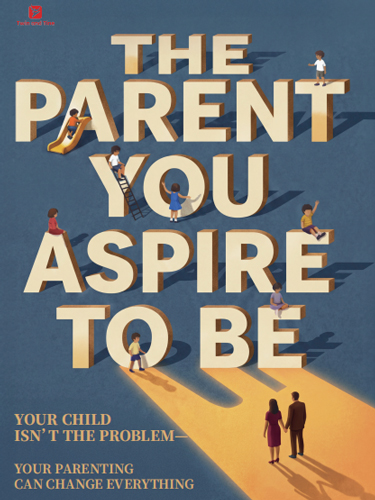
The Parent You Aspire to Be
Miles CarterPractical guidance for tantrums, backtalk, lying, screen addiction, emotional outbursts, and everyday parenting struggles.
For readers searching for the best books for calmer parenting, this book is particularly useful for families who want practical changes they can apply to real situations rather than broad reminders to “stay patient.”
2. How to Talk So Kids Will Listen & Listen So Kids Will Talk by Adele Faber and Elaine Mazlish
How to Talk So Kids Will Listen & Listen So Kids Will Talk takes a communication-centered approach to reducing family conflict. It explores ways to acknowledge children’s feelings, encourage cooperation, set limits, and respond to difficult situations without turning every interaction into a battle.
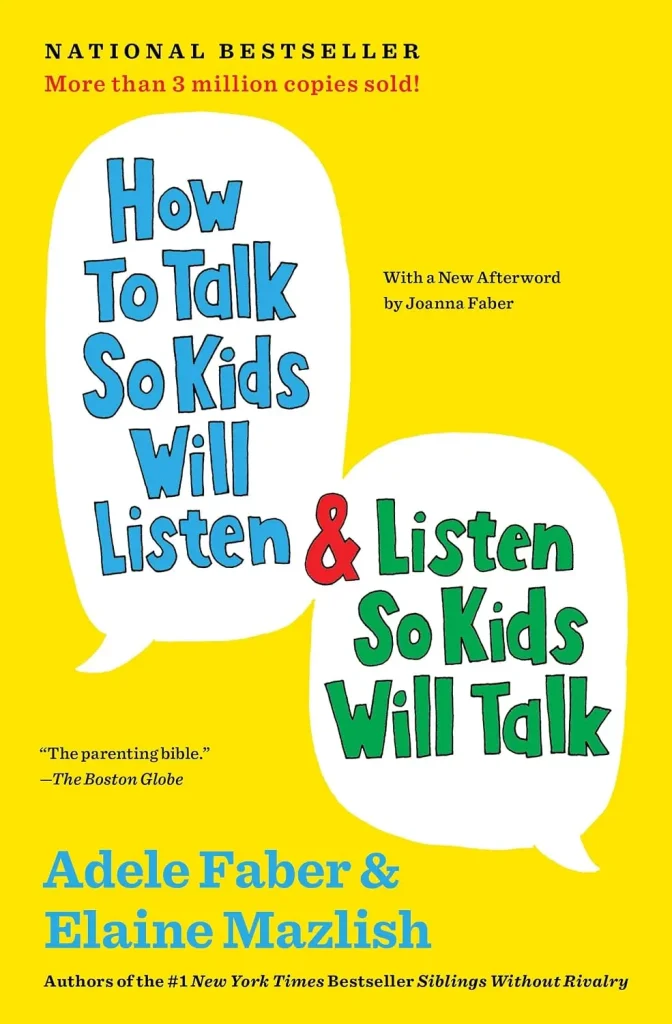
Its strength is the practical nature of the communication advice. Parents who feel they keep repeating themselves can find different ways to phrase requests and respond when children push back.
The book is particularly useful when tension at home comes from feeling unheard on both sides. Changing the way parents and children speak to one another can make everyday routines easier without removing necessary boundaries.
3. The Whole-Brain Child by Daniel J. Siegel and Tina Payne Bryson
The Whole-Brain Child approaches calmer parenting through children’s emotional and developmental needs. It looks at why children can become overwhelmed and how parents can respond in ways that support emotional growth.
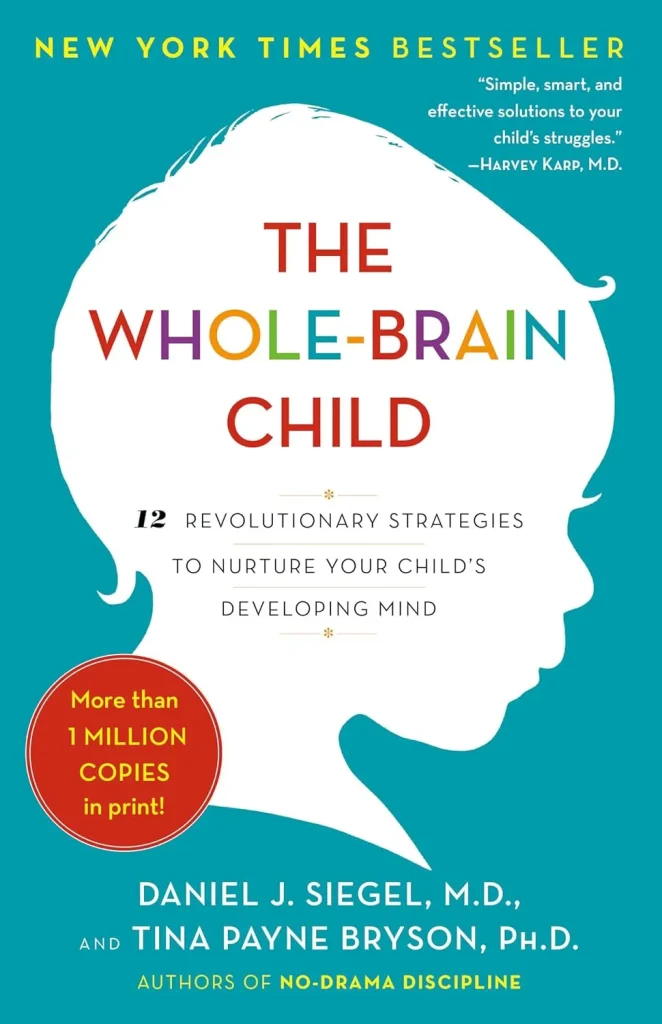
This perspective is useful during tantrums, transitions, disappointment, and other situations where a child’s reaction may seem much bigger than the original problem.
Rather than treating every emotional reaction as behavior that simply needs to stop, the book encourages parents to understand what may be happening underneath it while still maintaining appropriate limits.
Calm Does Not Mean Permissive
A calmer parenting style can still include consequences, routines, and clear expectations. In fact, children may feel more secure when they know where the boundaries are.
The difference is that the boundary does not have to become a personal battle. Parents can say no, repeat an expectation once, and allow the child to experience a reasonable consequence without adding anger to the situation.
That is where the three books overlap, even though their methods differ: calmer parenting is less about removing every difficult behavior and more about changing how the family handles it.
Small Changes Can Change the Atmosphere at Home
You probably cannot prevent every difficult morning or emotional outburst. What you can change is what happens around those moments.
The Parent You Aspire to Be focuses on behavior, emotional regulation, boundaries, and independence; How to Talk So Kids Will Listen & Listen So Kids Will Talk centers on communication; and The Whole-Brain Child offers a developmental perspective on children’s emotions.
For parents looking through the best books for calmer parenting, the most useful ideas are often the ones that make an ordinary Tuesday evening feel a little less exhausting.
Did this article help you see things differently? Our books turn helpful ideas into practical tools you can return to anytime.



Break the Anxiety Circle
$19.90

From Debt to Wealth
$19.90


